Losoong Festival 2026: Sikkim’s Harvest New Year, Dates and Rituals
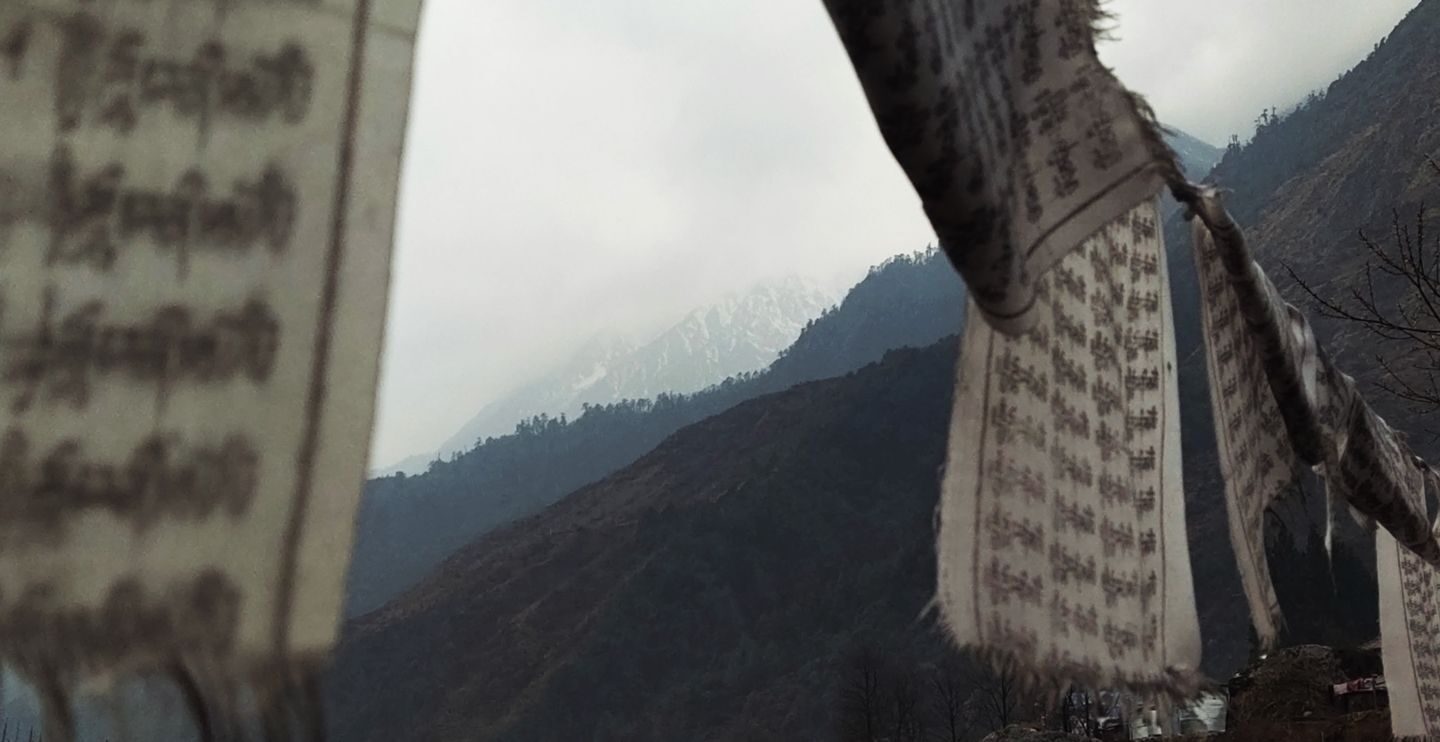
The Losoong festival is the Sikkimese New Year and harvest festival, celebrated by the Bhutia community in December, while the Lepchas mark the same season as Namsoong. In 2026, the Sikkim government lists Losoong/Namsoong as a public holiday from 9 to 14 December. The Kagyed masked dance comes first, on 7 December, at Gangtok’s Tsuklakhang Palace and other monasteries.
The Losoong festival marks the end of the harvest and the start of a new agricultural year. According to Sikkim’s Cultural Affairs and Heritage Department, festivities begin on the 29th day of the tenth month of the Tibetan lunar calendar and last about a week. Consequently, the Gregorian date shifts every year, usually between early and late December.
Key takeaways
- Losoong/Namsoong is a six-day state holiday in Sikkim from 9 to 14 December 2026.
- The Kagyed Dance holiday falls on 7 December 2026, and Nyengpa Guzom on 15 and 16 December.
- Bhutias call the festival Losoong or Sonam Losoong; Lepchas call it Namsoong.
- Masked chaam dances and effigy burning take place at Tsuklakhang, Rumtek and Phodong.
- Indians need no permit for Gangtok or Rumtek, but Tsomgo and most of North Sikkim need one.
Losoong festival at a glance
| Detail | Information |
|---|---|
| What it is | Sikkimese New Year and end-of-harvest festival |
| Main communities | Bhutia (Losoong) and Lepcha (Namsoong) |
| Lunar timing | Begins on the 29th of the tenth Tibetan lunar month, per the state |
| 2026 state holiday | 9 to 14 December 2026 (Wednesday to Monday) |
| Kagyed Dance 2026 | 7 December 2026 |
| Nyengpa Guzom 2026 | 15 and 16 December 2026 |
| Main venues | Tsuklakhang Palace (Gangtok), Rumtek, Phodong |
| Lepcha centre | Namprikdang, Dzongu, Mangan district |
| Key rituals | Chaam masked dances, effigy burning, prayers, archery |
| Nearest airport | Bagdogra, about 124 km from Gangtok |
What the Losoong festival means
The name Losoong combines the idea of a new year with the harvest. Farmers finish reaping by late autumn, so December becomes a time to rest, give thanks and prepare for spring. As a result, many Bhutia families also call it Sonam Losoong, often described as the farmers’ new year.
The Losoong festival blends Buddhist ritual with older farming customs. Monasteries hold prayers for peace and a good year ahead. Meanwhile, households clean their homes, cook festive food and visit relatives. The Sikkim government describes Losoong/Namsoong as the Sikkimese New Year that marks the end of the harvest season.
Losoong should not be confused with Losar. Losar is the Tibetan New Year, which Sikkim marks in February or March; in 2026 the state holiday for Losar fell on 18 February. In contrast, the Losoong festival follows the Sikkimese agricultural cycle and falls in December.
Losoong festival 2026 and 2025 dates
The Sikkim government’s 2026 holiday notification, No. 89/Home/2025 dated 10 October 2025, fixes the holidays below. Monastery programmes can start earlier or run later, so treat these as the core festival days.
| Occasion | 2026 date (state holiday list) | 2025 date (as widely reported) |
|---|---|---|
| Kagyed Dance | Monday 7 December 2026 | Around 18 December 2025 |
| Losoong/Namsoong | Wednesday 9 to Monday 14 December 2026 (6 days) | Around 20 to 26 December 2025 |
| Nyengpa Guzom | Tuesday 15 and Wednesday 16 December 2026 | Around 26 December 2025 |
| Tamu Lochar | Wednesday 30 December 2026 | Not part of Losoong |
The 2025 dates come from holiday lists reproduced by HR and compliance sites, not the gazette itself. Therefore, treat them as approximate. For 2026, the official list is clear. However, monastery timetables for chaam dances can shift by a day, so confirm with the monastery or a Gangtok tour operator before you book.
Different websites also describe the lunar timing differently. Some say the new year falls on the first day of the eleventh Tibetan month. The state’s culture department says festivities begin on the 29th of the tenth month. Either way, the celebrations fall in December.
Kagyed Dance: the prelude to the Losoong festival
Kagyed is the masked dance that opens the Losoong festival season. It takes place on the 28th and 29th days of the tenth Tibetan lunar month. The Ministry of Tourism’s Utsav portal lists three main venues: Tsuklakhang Palace Monastery in Gangtok, Old Rumtek Monastery and Phodong Monastery.
Monks wear rich robes and masks and carry ceremonial swords. Their dances retell stories from Buddhist tradition, especially the life of Guru Padmasambhava. Furthermore, jesters appear between the serious dances to amuse the crowd. The Sikkim government calls Kagyed a post-harvest dance to ward off evil and bring good fortune.
The finale is the burning of effigies made of wood, flour and paper. The fire symbolises the destruction of evil forces before the new year. Consequently, many visitors plan their trip around the Kagyed day rather than the Losoong holiday itself.
Rituals and traditions of the Losoong festival
The Losoong festival mixes monastery ceremonies with village celebrations. The main traditions are listed below.
- Chaam dances: masked monks perform sacred dances, including the Black Hat dance, which depicts good defeating evil.
- Effigy burning: an effigy of a demon or evil force is burned to clear misfortune.
- Offerings: a priest offers a special drink, often called chi-fut, to the deities.
- Archery: contests take place in villages and towns, a long-standing Sikkimese sport.
- Prayers: families visit monasteries to pray for health, peace and a good harvest.
- Feasting: households share festive food and home-brewed millet beer.
Archery holds a special place during the Losoong festival. Teams compete with traditional bows, and crowds cheer on local favourites. Similarly, families visit elders and exchange greetings. The mood is festive but also religious, so respectful behaviour matters.
Namsoong: the Lepcha new year
The Lepchas, regarded as Sikkim’s earliest inhabitants, celebrate the Losoong festival season as Namsoong. Sikkim Tourism links Namsoong to the first day of Kurneet Lovo in the Lepcha calendar. The Lepcha festival honours ancestors and Mount Khangchendzonga, with folk dances and traditional games.
The largest public celebration is the Namprikdang Namsoong Festival in Dzongu, Mangan district. Namprikdang is a grassy flat near the meeting of the Teesta and Tholung Chu rivers. The 49th edition ran as a five-day event and concluded on 31 December 2025, according to the Sikkim government. Its programme included traditional sports, cultural performances, exhibitions and food stalls.
| Feature | Losoong | Namsoong |
|---|---|---|
| Community | Bhutia | Lepcha |
| Calendar | Tibetan lunar calendar | Lepcha calendar (Kurneet Lovo) |
| Focus | Monastery rituals, chaam dances, archery | Ancestral rites, nature worship, folk dances |
| Main venues | Tsuklakhang, Rumtek, Phodong | Namprikdang in Dzongu, Lepcha villages |
| State holiday | Shared as Losoong/Namsoong | Shared as Losoong/Namsoong |
Dzongu is a protected Lepcha reserve. Travel guides report that outsiders need a separate permit for the area. Rules change, so check with the Mangan district administration before planning a Namsoong visit.
Where to see the Losoong festival
Gangtok is the best base for the Losoong festival, because the key monasteries lie close to the capital. The table sets out the main venues and their distance from the city.
| Venue | Location | Distance from Gangtok | What to expect |
|---|---|---|---|
| Tsuklakhang Palace Monastery | Central Gangtok | In the city | Kagyed chaam and effigy burning |
| Rumtek Monastery | East Sikkim | About 23 km | Kagyed dances at the old monastery |
| Phodong Monastery | Mangan district, on the road north | About 28 to 40 km, by source | Chaam on the 28th and 29th of the tenth month |
| Namprikdang, Dzongu | Mangan district | A long day’s drive via Mangan | Namprikdang Namsoong Festival |
Phodong was founded in 1740 and belongs to the Kagyu school, according to published histories. Meanwhile, Rumtek is the largest monastery in Sikkim and the seat of the Karmapa’s Kagyu lineage, as the Gangtok district administration notes. Both hold chaam dances in the same lunar window as Tsuklakhang. Therefore, you usually cannot see all three on the same day.
Nyengpa Guzom: the days after Losoong
Nyengpa Guzom follows the Losoong festival. In 2026, the state lists it as a holiday on 15 and 16 December. Many Sikkimese see this short period as inauspicious. As a result, people often avoid starting new ventures, and some families stay home.
For visitors, this matters in a practical way. Some shops and offices may stay shut for longer than the Losoong holiday alone. Additionally, government offices close on those days, so permit counters may work slowly. Plan any permit work before 9 December.
Planning a trip for the Losoong festival
December is dry and clear in Sikkim, which makes the Losoong festival a good time for mountain views. However, nights in Gangtok turn cold, and higher areas see snow. Pack warm layers, gloves and a good jacket.
Most travellers fly to Bagdogra and drive about 124 km to Gangtok. The trip usually takes 4 to 5 hours. Our Bagdogra to Gangtok guide compares taxis, shared jeeps, buses and the helicopter, which costs ₹3,100 per seat. Book rooms early, because the festival overlaps with the start of the winter holiday season.
| Planning item | Suggested approach |
|---|---|
| Arrival | Reach Gangtok by 6 December 2026 to catch Kagyed on 7 December |
| Stay | Gangtok hotels near MG Marg or the palace area |
| Local transport | Hire a taxi for Rumtek and Phodong; roads are narrow |
| Entry fee to Sikkim | ₹50 Tourism Sustainable Development fee per visitor, collected since 14 March 2025 |
| Clothing | Heavy woollens; days are mild, nights are cold |
| Buffer | Keep a spare day for road or weather delays |
Permits and side trips during the Losoong festival
Indians do not need a permit for Gangtok or Rumtek. Phodong, on the road to Mangan, is usually reached without one, but confirm with your driver. However, Tsomgo Lake, Nathula, Zuluk and most of North Sikkim need a Protected Area Permit arranged through registered operators. Aadhaar is not accepted for these permits, so carry a passport, voter ID or driving licence. Our Sikkim permit guide explains each permit in detail.
Foreign visitors need a Restricted Area Permit for Sikkim, which can be obtained online. Furthermore, foreigners cannot visit Nathula, Gurudongmar or Zuluk. In winter, snow can close high roads for days. Consequently, a Tsomgo Lake trip in December may be cancelled at short notice.
For a longer loop, add West Sikkim after the festival. Pelling offers clear Kanchenjunga views in December. For other seasonal options across the region, see our guide to the best time to visit Northeast India.
Etiquette at monastery celebrations
- Dress modestly: cover shoulders and knees, and remove hats inside prayer halls.
- Walk clockwise: move around shrines, stupas and prayer wheels in a clockwise direction.
- Ask before photographing: some rituals and inner halls do not allow photography.
- Keep clear of dancers: chaam performers need open space, so stay behind the marked area.
- Arrive early: courtyards fill quickly, especially at Tsuklakhang.
- Do not touch ritual objects: masks, effigies and altar offerings are sacred.
Losoong festival compared with other December festivals
December is busy across the Northeast. The Losoong festival overlaps with Nagaland’s Hornbill Festival, held from 1 to 10 December at Kisama near Kohima. Therefore, travellers with more time sometimes combine both. However, the two states are far apart, so allow at least two days for the journey.
Frequently asked questions
When is the Losoong festival in 2026?
The Sikkim government’s 2026 holiday list shows Losoong/Namsoong from Wednesday 9 December to Monday 14 December 2026. The Kagyed masked dance falls earlier, on Monday 7 December. Nyengpa Guzom follows on 15 and 16 December. Monastery programmes can shift slightly, so confirm chaam timings with the monastery or a local operator.
What is Losoong in Sikkim?
Losoong is the Sikkimese New Year and harvest festival of the Bhutia community. It marks the end of the harvest season and the start of a new farming year. Celebrations include monastery prayers, masked chaam dances, effigy burning, archery contests and family feasts. The Lepcha community celebrates the same season as Namsoong.
What is the difference between Losoong and Losar?
Losoong is the Sikkimese harvest new year, celebrated in December. Losar is the Tibetan New Year, usually celebrated in February or March. In 2026, Sikkim’s holiday for Losar fell on 18 February, while Losoong/Namsoong runs from 9 to 14 December. Both involve monastery rituals, but they follow different cycles and meanings.
Where can I watch the chaam dances?
The main venues are Tsuklakhang Palace Monastery in Gangtok, Rumtek Monastery, about 23 km from the city, and Phodong Monastery to the north. These monasteries hold the Kagyed chaam on the 28th and 29th days of the tenth Tibetan month. In 2026, the Kagyed Dance holiday falls on 7 December.
What is Namsoong?
Namsoong is the Lepcha new year, celebrated around the same time as Losoong. Sikkim Tourism links it to the first day of Kurneet Lovo in the Lepcha calendar. The biggest public event is the Namprikdang Namsoong Festival in Dzongu, Mangan district. Its 49th edition was a five-day event that ended on 31 December 2025.
Do I need a permit to attend the Losoong festival?
Indian visitors need no permit for Gangtok or Rumtek, and Phodong is usually reached without one. However, Tsomgo Lake, Nathula and most of North Sikkim need a Protected Area Permit through a registered operator. Foreigners need a Restricted Area Permit for Sikkim. Every visitor also pays a ₹50 Tourism Sustainable Development fee, collected since March 2025.
What is Nyengpa Guzom?
Nyengpa Guzom is a short period that follows Losoong. Many Sikkimese consider these days inauspicious, so people avoid starting new ventures. In 2026, the state lists it as a holiday on 15 and 16 December. Government offices close, so finish any permit or official work before the festival begins.
Celebrating the Sikkimese new year
The Losoong festival offers a rare look at Sikkim’s living traditions, from the Kagyed chaam to archery and Lepcha rites in Dzongu. In 2026, plan to reach Gangtok by 6 December, watch Kagyed on 7 December and stay through the holiday week. Book early, pack warm clothes and confirm Losoong festival timings locally.
Discover more celebrations in Festivals & Culture or visit the Frontier News homepage.
Related guides
More in Festivals & Culture →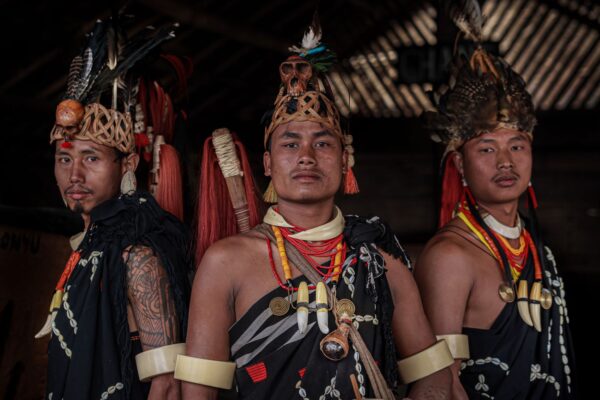
Festivals & Culture
Nagaland Tribes: The 17 Major Tribes and Their Traditions
Festivals & Culture
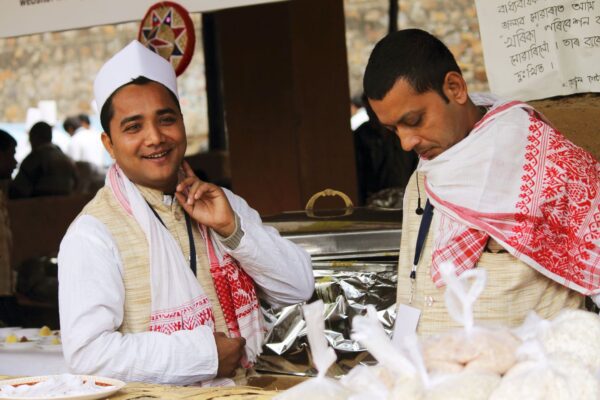
Muga Silk: Assam’s Golden Silk, GI Tag, Price and Care
Festivals & Culture