Sikkim Permit Guide: Nathula, Tsomgo, North Sikkim and Zuluk
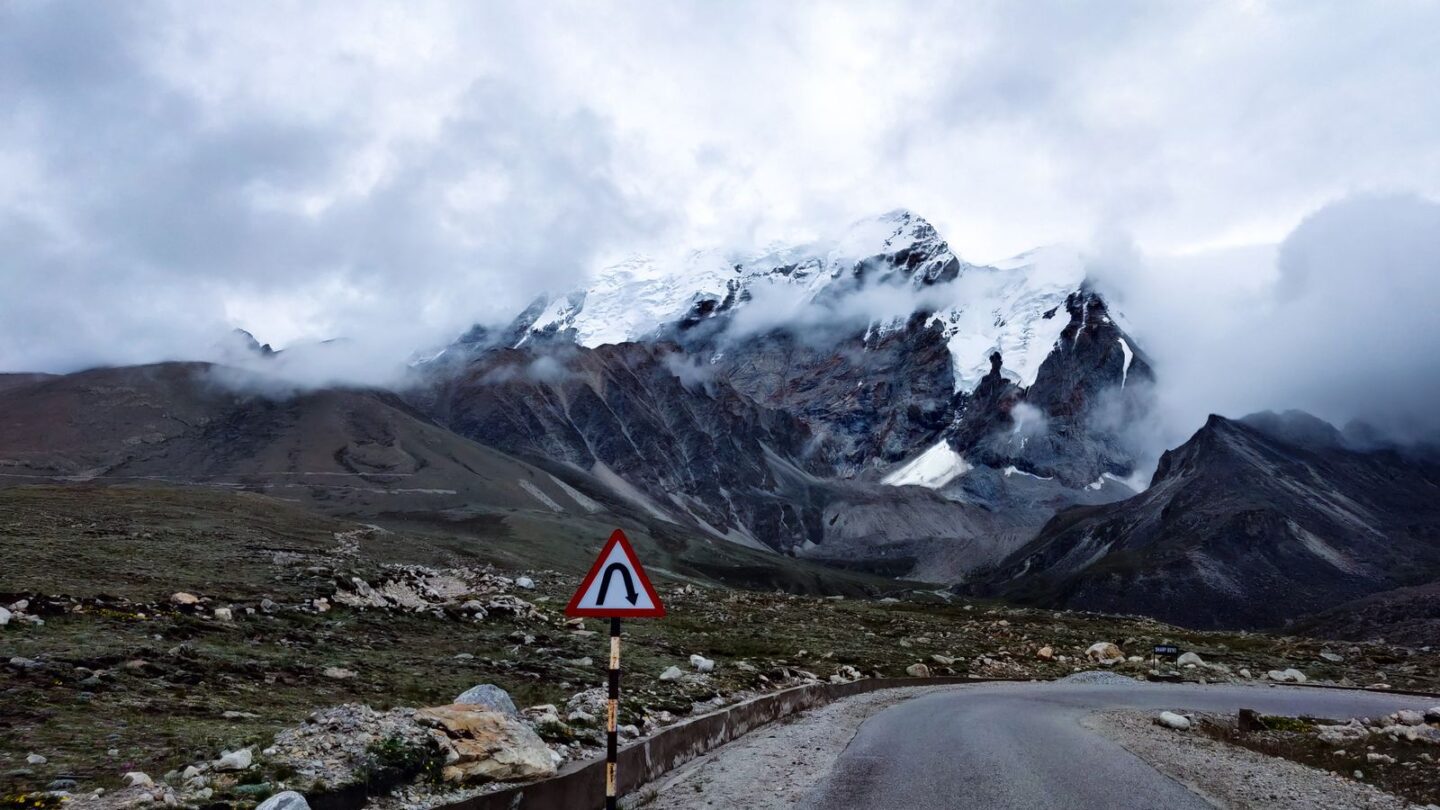
A Sikkim permit is not needed by Indian citizens to enter the state itself, but it is mandatory for protected areas such as Tsomgo Lake, Nathula, North Sikkim and Zuluk. Indian travellers get this Protected Area Permit (PAP) through a registered Sikkim tour operator, usually a day before the trip. Foreign nationals, in contrast, need a Restricted Area Permit (RAP) for the whole state, and since January 2026 they must apply online before reaching the border.
Sikkim borders China, Nepal and Bhutan, so many of its most popular high-altitude sights sit close to sensitive frontiers. Consequently, the state and the Union Ministry of Home Affairs control access to them. This guide explains which Sikkim permit you need, how to get it, which documents work, and what changed in 2025 and 2026.
Key takeaways
- Indians need no permit for Gangtok, Pelling, Namchi or Ravangla, but they need a PAP for protected zones.
- The PAP is arranged through registered tour operators; independent applications are generally not accepted.
- Aadhaar is not accepted for the PAP; carry a passport, voter ID, driving licence or government-issued ID.
- Foreigners need a 30-day RAP, now applied for online on the e-FRRO portal only.
- Foreigners cannot visit Nathula, Gurudongmar Lake or Zuluk.
Sikkim permit at a glance
| Item | Details |
|---|---|
| Permit for Indians | Protected Area Permit (PAP) for listed zones only |
| Permit for foreigners | Restricted Area Permit (RAP) for the state, plus PAP for protected zones |
| How Indians apply | Through a registered Sikkim tour operator |
| How foreigners apply | Online on the e-FRRO portal, before entering Sikkim |
| RAP validity | 30 days, extendable by up to 30 more days |
| Accepted ID for Indians | Passport, voter ID, driving licence, government ID (not Aadhaar) |
| Photographs | At least two recent passport-size colour photos |
| Separate tourist fee | ₹50 per tourist, collected with accommodation |
Which areas need a Sikkim permit?
Most of Sikkim is open to Indian visitors without any paperwork. Gangtok, MG Marg, Rumtek, Pelling, Ravangla and Namchi need no permit. However, the high passes, lakes and valleys near the borders fall under protected-area rules.
| Area | District | Indians | Foreigners |
|---|---|---|---|
| Tsomgo Lake and Baba Mandir | Gangtok | PAP needed | PAP needed, day visit only |
| Nathula | Gangtok | PAP needed | Not allowed |
| Lachung, Yumthang, Zero Point | Mangan (North Sikkim) | PAP needed | PAP needed, group of two or more |
| Lachen, Thangu, Gurudongmar Lake | Mangan (North Sikkim) | PAP needed | Gurudongmar not allowed |
| Zuluk, Nathang, Kupup (Old Silk Route) | Pakyong | PAP needed | Not allowed |
| Dzongu | Mangan | PAP needed | PAP needed, up to 5 days |
| Dzongri and Goecha La trek | Gyalshing (West) | Trek permit needed | Trek permit needed |
Each Sikkim permit is issued for a specific destination. Therefore, a Tsomgo permit does not cover a separate trip to Lachung or Zuluk. Plan each protected-area day with your operator in advance.
Sikkim permit for Indian citizens
Indian travellers need the PAP only for the zones listed above. The permit is a paper or digital document issued by the tourism department or the police, depending on the area. It records your name, ID number, vehicle and date of travel.
How the process works
- Book your trip with a Sikkim-registered tour operator or taxi union.
- Share clear scans of your photo ID and passport-size photos.
- The operator files the Sikkim permit application for your travel date.
- Officials approve it, usually by the evening before or the morning of travel.
- Your driver carries the permit and shows it at each check post.
For Tsomgo and Nathula, operators in Gangtok usually apply a day ahead. Moreover, weather or army instructions can cancel a day’s permits at short notice. For more on this border crossing, see our Nathula Pass guide.
Why operators handle the permit
The protected zones generally require a local, registered vehicle and driver. As a result, private cars from outside Sikkim usually cannot drive into these areas. The operator’s permit is linked to the vehicle, so booking the car and the permit together avoids mismatches. Additionally, self-drive is not permitted on the North Sikkim routes.
Documents for a Sikkim permit
Wrong ID is the most common reason a Sikkim permit gets delayed. The state tourism department lists the accepted documents clearly.
| Document | Accepted? | Notes |
|---|---|---|
| Passport | Yes | Best choice for adults |
| Voter ID card | Yes | Widely used |
| Driving licence | Yes | Must be valid |
| Central or state government ID | Yes | Carry the original |
| Aadhaar card | No | Not accepted for the PAP |
| PAN card | No | Not treated as valid ID |
| Birth certificate | For minors | Carry with a parent’s ID |
| Passport-size photos | Yes | Carry at least two per person; some offices ask for more |
Keep photocopies as well as originals. Furthermore, save phone scans in case the operator needs to resubmit. Carry the same ID you used in the application throughout the trip.
Sikkim permit for Nathula and Tsomgo Lake
Tsomgo Lake, Baba Mandir and Nathula form the classic East Sikkim day trip from Gangtok. Tsomgo lies roughly 38 to 40 km from Gangtok, while Nathula is about 55 km away at roughly 4,310 m. Read our full Tsomgo Lake guide for the lake itself.
- Tsomgo Lake: Indians and foreigners can visit with a PAP. Foreigners get a one-day permit only.
- Nathula: Open only to Indian nationals. The pass is usually open to tourists from Wednesday to Sunday and closed on Mondays and Tuesdays.
- Photos: Nathula permits often need extra photos, so carry spares.
- Fees: A small per-person fee, commonly cited at around ₹200 for Nathula, is added to the taxi cost. Confirm the current amount with your operator.
Army and weather conditions decide daily access. Consequently, snowfall can close the road beyond Tsomgo even when your Sikkim permit is valid. Start early, because vehicles are generally expected to leave Gangtok in the morning.
Sikkim permit for North Sikkim
North Sikkim covers Lachung, Yumthang Valley and Zero Point on one side, and Lachen, Thangu and Gurudongmar Lake on the other. Permits come from the Mangan district administration, mainly through registered operators.
2025 and 2026 updates
The North Sikkim routes have seen repeated closures since the October 2023 flood in the Teesta valley. The main recent milestones are below.
| Date | Update |
|---|---|
| May 2025 | North Sikkim tourism closed after natural calamities |
| 8 September 2025 | Permits resumed for Lachung, Yumthang Valley and Zero Point |
| 9 March 2026 | Permits resumed for Lachen and Gurudongmar Lake after a new Bailey bridge opened at Taram Chu |
| 5 April 2026 | Landslide near the Taram Chu bridge cut off Lachen again |
| September 2026 | Lachen reopened to tourists with fresh vehicle timing rules |
Under a Mangan district order of 10 September 2026, tourist and light vehicles must cross the Toong check post by 4 pm in both directions. Meanwhile, heavy vehicles use a separate route. Because the situation changes often, confirm the latest status with your operator before paying for a North Sikkim package. For the lake day itself, plan a pre-dawn start from Lachen.
Typical North Sikkim permit plan
- Lachung circuit: Gangtok to Lachung, then Yumthang Valley and Zero Point the next morning.
- Lachen circuit: Gangtok to Lachen, then Gurudongmar Lake at dawn and back to Lachen.
- Combined circuit: Both valleys over three nights, subject to road status.
Operators usually apply for the North Sikkim permit one day before departure. Therefore, send your documents early, especially during October and May holidays.
Sikkim permit for Zuluk and the Old Silk Route
Zuluk sits at roughly 2,850 m in the Pakyong district of East Sikkim. It is famous for the looping road towards Thambi viewpoint, Nathang Valley and Kupup. Indian visitors need a PAP, while foreigners cannot enter this zone.
The Zuluk permit is usually issued at Rongli, with applications handled through local homestays or operators. Travellers coming from Siliguri generally reach Rongli in the morning to get same-day processing. Alternatively, trips starting from Gangtok can be arranged through Gangtok-based operators. Carry originals plus several photocopies and photos, because Rongli offices commonly ask for extra sets.
Most visitors book a homestay in Zuluk, Padamchen or Nathang, and the host helps with the Sikkim permit. However, confirm this arrangement in writing before you travel.
Sikkim permit rules for foreign nationals
Foreigners need a Restricted Area Permit, also called the Sikkim ILP, to enter any part of the state. The RAP is valid for 30 days. It can be extended by up to 30 more days through the Foreigners Registration Office in Gangtok and other listed offices.
The 2026 online rule
On 12 January 2026, the Sikkim Tourism and Civil Aviation Department announced that physical RAP and PAP issuance for foreigners had ended. The change followed directions from the Ministry of Home Affairs. As a result, foreign nationals must now apply on the e-FRRO portal after arriving in India but before entering Sikkim. Checkposts such as Rangpo and Melli no longer issue permits on arrival.
Protected areas for foreigners
- Foreigners need a separate PAP for Tsomgo, the Lachung–Yumthang–Zero Point axis and Dzongu.
- They must travel in groups of at least two through a registered agency.
- Nathula, Gurudongmar Lake and Zuluk remain closed to foreign nationals.
- OCI cardholders are treated like foreigners for the RAP.
- Nationals of some countries, including China, Pakistan and Myanmar, need prior approval from the Ministry of Home Affairs.
The RAP itself has traditionally been free. However, operators charge for arranging PAP trips. If your trip continues to other states, check our Arunachal ILP guide, because Arunachal runs its own permit system.
Sikkim entry fee and other costs
The Sikkim permit is only one cost on a protected-area trip. Since 14 March 2025, Sikkim has also collected a ₹50 Tourism Sustainable Development fee from tourists. Hotels and homestays collect it at booking, and it covers up to 30 days or until you leave the state.
| Charge | Amount | Who pays |
|---|---|---|
| Tourist entry fee | ₹50 per tourist | Domestic and foreign overnight tourists |
| Entry fee exemptions | Not charged | Children under five, Sikkim residents, officials on duty |
| PAP processing | Small fee, varies by area | Usually folded into the taxi or package |
| Operator service charge | Varies | Added by the agency |
| Foreigner RAP | Traditionally free | Foreign nationals |
Protected-area permit fees are modest, but taxi hire dominates the budget. Therefore, compare the total price per vehicle rather than the permit fee alone.
Best time to plan a Sikkim permit trip
Weather controls access far more than paperwork. Spring and autumn bring the most reliable roads and clear mountain views.
| Season | Months | What to expect |
|---|---|---|
| Spring | March to May | Rhododendrons, good access, busy holidays |
| Monsoon | June to September | Landslides, frequent closures in North Sikkim |
| Autumn | October to November | Clear skies, peak demand for permits |
| Winter | December to February | Snow at Tsomgo, Nathula and Zero Point; roads may shut |
For a region-wide calendar, see our best time to visit Northeast India guide. Additionally, keep one buffer day in any itinerary that includes Nathula or North Sikkim.
Common Sikkim permit mistakes
- Bringing only Aadhaar. It is not accepted, so carry a passport, voter ID or driving licence.
- Sending documents late. Operators need them a day ahead, and peak days fill quickly.
- Booking Nathula on a Monday or Tuesday. The pass is usually closed to tourists on those days.
- Assuming one permit covers everything. Each protected area needs its own Sikkim permit.
- Ignoring road bulletins. North Sikkim routes can close at short notice after landslides.
- Foreigners arriving without e-FRRO approval. On-arrival permits have ended.
Families should also note that high-altitude points such as Nathula and Gurudongmar are generally not recommended for infants and very young children. Ask your operator about any age rules before booking.
Frequently asked questions
Do Indians need a Sikkim permit to enter the state?
No. Indian citizens can enter Sikkim and visit Gangtok, Pelling, Namchi and most other towns without a permit. However, a Sikkim permit, called the Protected Area Permit, is required for zones such as Tsomgo Lake, Nathula, North Sikkim, Zuluk and Dzongu. Registered tour operators arrange it using your photo ID and passport-size photos.
Can I apply for a Sikkim permit myself?
In most protected areas, Indian travellers cannot apply independently. The permit is issued against a registered vehicle and driver, so a Sikkim tour operator or taxi union files the application. Foreign nationals apply for their Restricted Area Permit themselves on the e-FRRO portal, but protected-area trips still run through registered agencies.
Is Aadhaar accepted for a Sikkim permit?
No. The Sikkim tourism department does not accept Aadhaar for the Protected Area Permit. Adults should carry a passport, voter ID, driving licence or a central or state government ID. Children need a birth certificate or passport. Carry the originals, photocopies and at least two recent passport-size photographs for every traveller.
Can foreigners visit Nathula and Gurudongmar Lake?
No. Nathula, Gurudongmar Lake and the Zuluk area are closed to foreign nationals. Foreigners with a valid Restricted Area Permit can visit Tsomgo Lake, Lachung, Yumthang Valley, Zero Point and Dzongu with a separate protected-area permit. They must travel in a group of at least two through a registered agency.
How long is the Sikkim RAP for foreigners valid?
The Restricted Area Permit for foreigners is valid for 30 days. It can be extended by up to 30 more days through the Foreigners Registration Office in Gangtok or other listed offices. Since January 2026, foreigners must apply online on the e-FRRO portal before entering Sikkim, because on-arrival permits have ended.
What is the ₹50 Sikkim tourist fee?
It is a Tourism Sustainable Development fee introduced on 14 March 2025. Hotels and homestays collect ₹50 per tourist at booking. It covers up to 30 days or until you leave the state. Children under five, Sikkim residents and government officials on duty are exempt. It is separate from any protected-area permit.
Is North Sikkim open for tourists in 2026?
Yes, with conditions. Lachung, Yumthang and Zero Point reopened in September 2025. Lachen and Gurudongmar reopened in March 2026, closed after an April landslide, and reopened in September 2026. Vehicles must cross the Toong check post by 4 pm. Always confirm the current status with your operator before booking.
Plan your Sikkim permit before you pack
Protected-area travel in Sikkim is easy once the paperwork is in order. Indians need the right ID, spare photos and a registered operator, while foreigners must secure online e-FRRO approval before reaching the border. Build in a buffer day and check road bulletins, and your Sikkim permit will open the way to Tsomgo, Nathula, Yumthang and Zuluk. For a wider view of regional permit systems, read our inner line permit guide.
Browse more guides in Permits & Routes or visit the Frontier News homepage.
Related guides
More in Permits & Routes →
Permits & Routes
Manipur ILP 2026: How to Apply Online, Fees and Entry Gates
Permits & Routes
Mizoram ILP 2026: Online Application, Fees and Validity
Permits & Routes