Pelling Travel Guide: Kanchenjunga Views, Sights and Itinerary
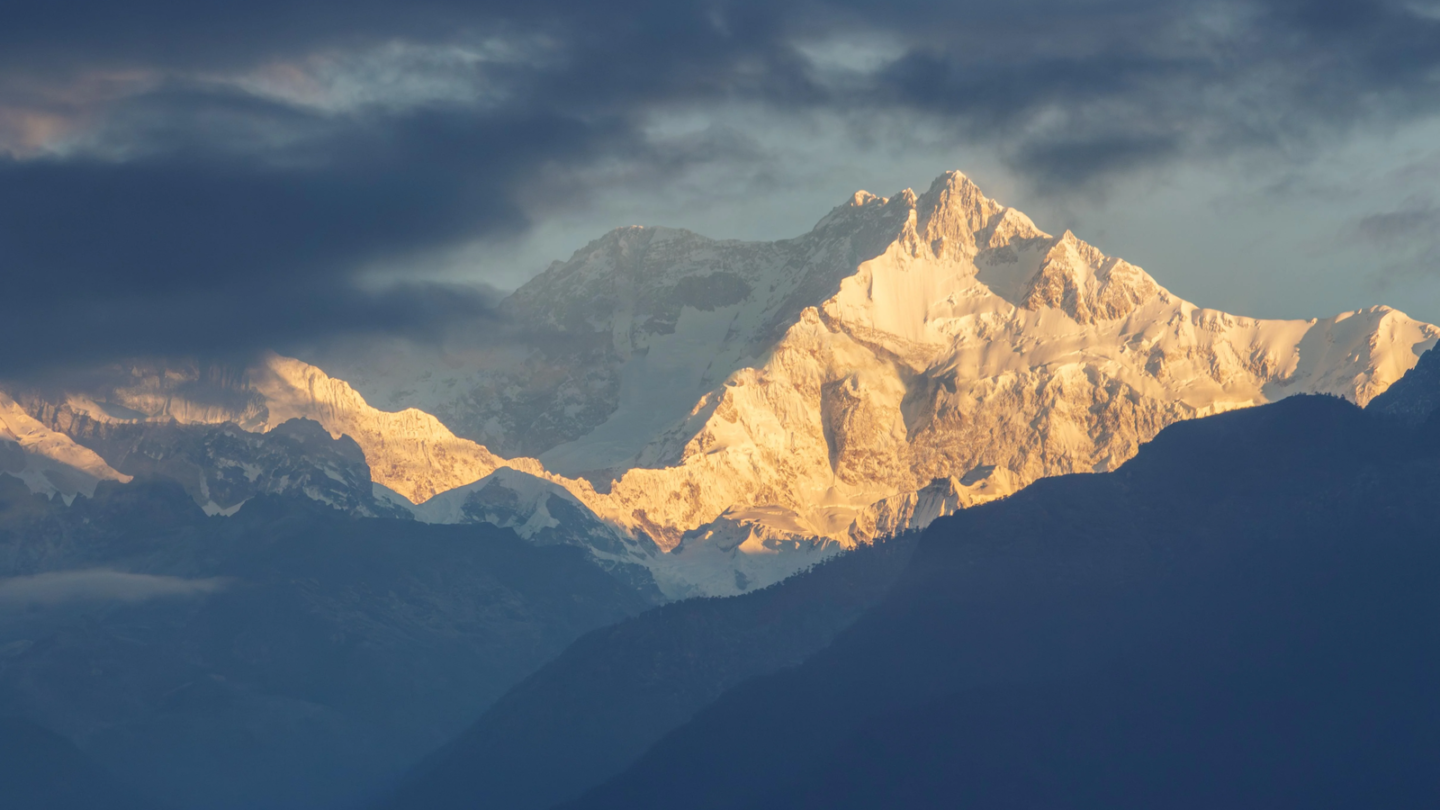
Pelling is a hill town at about 2,150 m (7,050 ft) in Sikkim’s Gyalshing district, famous for close views of Kanchenjunga, the world’s third-highest mountain. It lies roughly 115 to 130 km from Gangtok and about 125 to 150 km from NJP or Bagdogra. Indian tourists need no permit for Pelling, but Sikkim collects a ₹50 tourist fee through hotels.
The district administration calls it the second-biggest tourist destination in Sikkim after Gangtok. Most visitors come for sunrise over the snow peaks. However, the town also anchors west Sikkim’s old monastery circuit, with Pemayangtse, Rabdentse, Sangachoeling and the sacred Khecheopalri Lake close by.
Key takeaways
- Pelling stands at about 2,150 m, according to Incredible India, facing the Kanchenjunga range to the north.
- Indian citizens need no permit; foreigners need Sikkim’s Restricted Area Permit, which is available online.
- A ₹50 Tourism Sustainable Development fee, in force since 14 March 2025, is collected with your hotel booking.
- The 137 ft Chenrezig statue and India’s first glass skywalk opened near Pelling in November 2018.
- October to December usually gives the clearest mountain views, while June to September brings heavy monsoon cloud.
Pelling at a glance
| Detail | Information |
|---|---|
| State and district | Sikkim, Gyalshing district (formerly West Sikkim) |
| Altitude | About 2,150 m (7,050 ft) |
| Main view | Kanchenjunga (Khangchendzonga) range |
| District headquarters | Gyalshing, about 10 km away |
| From Gangtok | About 115 to 130 km, 4.5 to 6 hours |
| From NJP or Bagdogra | About 125 to 160 km, 5 to 6 hours |
| Nearest working airport | Bagdogra (Pakyong had no scheduled flights in 2025–26) |
| Nearest railhead | New Jalpaiguri (NJP) |
| Permit for Indians | None; ₹50 state tourist fee via hotel |
| Best views | October to December, then March to May |
Why Pelling is famous for Kanchenjunga views
Pelling sits on a ridge that faces the Kanchenjunga massif across deep valleys. On a clear morning, the peaks turn pink, then gold, as the sun rises. Consequently, most hotels advertise rooms with mountain-facing windows or rooftops.
Kanchenjunga rises to about 8,586 m on the Sikkim–Nepal border. Furthermore, several neighbouring summits of the range appear beside it on clear days. Clouds usually build by mid-morning. Therefore, wake before dawn and check the sky from about 5 am in autumn and winter.
The town has two main parts. Upper Pelling holds most hotels, the taxi stand and the viewpoints. Lower Pelling sits a little down the hill, with quieter stays and homestays.
How to reach Pelling
The town has no airport or railway station of its own. As a result, every visitor arrives by road, usually from Siliguri, NJP, Bagdogra or Gangtok. The last stretch climbs through Gyalshing or via Legship.
| Starting point | Approximate distance | Typical time | Common options |
|---|---|---|---|
| Gangtok | About 115 to 130 km | 4.5 to 6 hours | Reserved taxi or shared taxi |
| NJP railway station | About 125 to 150 km | 5 to 6 hours | Reserved taxi, shared taxi via Siliguri |
| Bagdogra Airport | About 135 to 160 km | 5 to 6.5 hours | Reserved taxi |
| Siliguri | About 125 to 135 km | 5 to 6 hours | Shared taxi, bus, reserved taxi |
| Darjeeling | Roughly 70 km | 3 to 4 hours | Reserved taxi |
| Gyalshing | About 10 km | 30 minutes | Local shared taxi |
Distances differ between sources, because several road options exist. Moreover, landslides in the monsoon can force long detours. Always check the route with your driver the evening before.
Taxi fares and shared jeeps
Travel operators quote reserved taxis from Siliguri or NJP at roughly ₹4,000 to ₹5,000 for a small car. From Gangtok, a reserved car usually costs about ₹3,500 to ₹4,500. Shared taxis run on both routes for about ₹500 to ₹800 per seat, often with a change at Gyalshing. These fares are indicative, and they rise in peak season.
Many travellers fly into Bagdogra and go first to Gangtok. Our Bagdogra to Gangtok guide covers taxis, the helicopter service and bus options for that leg.
Permits and the Sikkim tourist fee
Pelling lies outside Sikkim’s protected zones. Therefore, Indian citizens need no permit to visit the town or the sights around it. Carry an original photo ID, since checkpoints and hotels may ask for it.
Since 14 March 2025, Sikkim has collected a ₹50 Tourism Sustainable Development fee from tourists. Hotels and homestays collect it at booking. It covers up to 30 days or until you leave the state.
| Traveller | What you need for Pelling | Notes |
|---|---|---|
| Indian tourist | Photo ID only | ₹50 state fee through your hotel |
| Foreign national | Restricted Area Permit (RAP) | Apply online or at entry points |
| Anyone continuing to Tsomgo, Nathula or North Sikkim | Protected Area Permit | Arranged by registered operators in Gangtok |
Foreigners can visit Pelling on a standard Sikkim RAP. In contrast, protected areas such as North Sikkim need extra permits, and some are closed to foreigners. Our full Sikkim permit guide explains every zone and the documents needed.
Top things to see in Pelling
Most sights sit within a short drive of the town. Local operators sell a “near” circuit around town and a “far” circuit towards Yuksom. The table below gives rough distances and reported entry fees.
| Sight | Approx. distance from Pelling | Reported entry fee |
|---|---|---|
| Pemayangtse Monastery | About 2 km | About ₹20 |
| Rabdentse Ruins | About 3 to 5 km | Free or nominal |
| Chenrezig statue and skywalk | About 3 to 5 km | About ₹50 to ₹100 |
| Sangachoeling Monastery | About 2 to 4 km, uphill | Usually free |
| Rimbi and Changey waterfalls | Roughly 10 to 15 km | Small or none |
| Singshore Bridge | About 20 to 25 km | Usually free |
| Kanchenjunga Falls | About 24 to 28 km | About ₹20 |
| Khecheopalri Lake | About 25 to 34 km | About ₹10 |
Fees change without notice, so treat them as a guide and carry small cash.
Pemayangtse Monastery
Pemayangtse is one of Sikkim’s oldest and most important monasteries. It belongs to the Nyingma school and dates to the late 17th and early 18th centuries, when Lhatsun Chempo founded it. The main hall holds statues of Guru Padmasambhava.
The top floor houses Zangdok Palri, a seven-tiered wooden model of Guru Rinpoche’s heavenly palace. Additionally, the monastery holds a Cham masked dance in the twelfth lunar month, usually in February. Visitors should dress modestly and ask before taking photos inside.
Rabdentse Ruins
Rabdentse served as the second capital of the Kingdom of Sikkim from 1670 to 1814. The second Chogyal, Tensung Namgyal, moved the capital here from Yuksom. Later, Gurkha invasions damaged the site, and the court moved away.
The Archaeological Survey of India protects Rabdentse as a monument of national importance. A gate on the Pelling–Gyalshing road leads to a forest walk of about 15 minutes. At the end, you see palace walls, three chortens and the Namphogang stone seat, with wide mountain views.
Chenrezig statue and glass skywalk
The Chenrezig statue near Sangachoeling stands about 137 ft tall. It depicts the bodhisattva of compassion and opened with the glass skywalk in November 2018. The skywalk is often called the first of its kind in India.
A long flight of steps leads from the skywalk to the statue platform. However, the glass section can feel exposed in wind, and staff may close it in bad weather. Reported tickets range from about ₹50 to ₹100 per adult, and hours usually run from morning to about 5 pm.
Sangachoeling Monastery
Sangachoeling sits on a ridge above Pelling and dates to about 1697. It ranks among the oldest monasteries in Sikkim. The path climbs steeply through forest, so allow time and wear good shoes. Similarly, the ridge gives fine views of Pelling and the snow peaks on clear days.
Day trips from Pelling: lakes, falls and the bridge
The longer “far” circuit fills a full day. It usually combines Khecheopalri Lake, Kanchenjunga Falls, Rimbi Falls and sometimes Yuksom.
Khecheopalri Lake
Khecheopalri is a sacred lake at about 1,700 m, holy to both Buddhists and Hindus. Many people call it the wishing lake. According to local belief, birds pick up any leaf that falls on the water, so the surface stays clean.
A short walk and a wooden boardwalk lead to the shore. Visitors must remove footwear on the boardwalk. Furthermore, swimming, boating and fishing are banned. Treat the site as a place of worship rather than a picnic spot.
Kanchenjunga Falls
Kanchenjunga Falls lies on the road towards Yuksom, roughly 10 km before that town. A short climb of about 50 steps leads to the base. The falls run all year but look fullest after the monsoon. Consequently, October and November combine good flow with clearer roads.
Singshore Bridge
Singshore Bridge spans a deep gorge between Dentam and Uttarey. It is about 240 m long and more than 100 m high. The bridge is often described as the highest in Sikkim. Moreover, the drive passes terraced farms and small villages, which suits travellers who want a quieter half-day.
Best time to visit Pelling
Mountain views decide the best time for most travellers. Therefore, plan around the dry months and avoid the peak monsoon if views matter.
| Months | Weather | Kanchenjunga views | Notes |
|---|---|---|---|
| October to December | Clear, dry, cold nights | Usually the best | Peak season for views; book early |
| January to February | Cold, frost, occasional snow nearby | Often clear | Fewer tourists; Pemayangtse Cham dance around February |
| March to May | Mild, spring flowers | Good early mornings, hazier later | Rhododendron season; busy school holidays |
| June to September | Heavy monsoon rain | Rare | Landslides; skywalk may close in bad weather |
For planning across Sikkim, Meghalaya and Arunachal together, see our best time to visit Northeast India guide.
A 3-day Pelling itinerary
Three days suit most visitors. The plan below assumes arrival from Gangtok or Siliguri on day one.
- Day 1: Drive to Pelling, check in and watch sunset from Upper Pelling. Walk the town and rest early.
- Day 2: Catch sunrise over Kanchenjunga. Then visit Pemayangtse, Rabdentse, Sangachoeling and the Chenrezig skywalk.
- Day 3: Take the far circuit to Khecheopalri Lake, Kanchenjunga Falls and Rimbi Falls, or drive to Singshore Bridge.
With a fourth day, add Yuksom, the old first capital of Sikkim and the base for Khangchendzonga treks. Alternatively, continue east to Ravangla and Namchi on the way back to Gangtok.
Combining Pelling with other Sikkim trips
Many itineraries pair Pelling with Gangtok and a day at Tsomgo Lake. Others add North Sikkim for the flowers of Yumthang Valley. However, those trips need protected-area permits, so book them through a registered operator in Gangtok.
Where to stay and what it costs
The town has a wide range of hotels, from simple homestays to resorts. Upper Pelling offers the best mountain views, while Lower Pelling is usually quieter.
| Stay type | Typical nightly range | What to expect |
|---|---|---|
| Budget hotels and homestays | About ₹800 to ₹1,500 | Basic rooms, shared views from rooftops |
| Mid-range hotels | About ₹1,500 to ₹3,500 | Mountain-facing rooms, heaters on request |
| Resorts | About ₹4,000 to ₹8,000 and above | Large windows, restaurants, better heating |
A full-day sightseeing taxi usually costs about ₹1,600 to ₹2,500, depending on vehicle size and route. Prices climb during October–November and the May holidays. As a result, booking two to four weeks ahead helps in peak season.
Practical tips for visiting Pelling
- Pick a view-facing room; ask for the Kanchenjunga side at booking.
- Pack warm layers, because nights get cold even in spring and autumn.
- Carry cash, since some sights and taxis prefer small notes.
- Respect monasteries: walk clockwise, dress modestly and ask before photos.
- Keep plastic out of Khecheopalri Lake and other sacred sites.
- Allow buffer time in the monsoon, because landslides often block west Sikkim roads.
Frequently asked questions
What is the altitude of Pelling?
Pelling stands at about 2,150 m, or roughly 7,050 ft, according to Incredible India. Some travel sites quote a slightly lower figure of around 6,800 ft. The height gives cool summers and cold winter nights. Altitude sickness is rarely a problem here, although the town sits well above Siliguri and the plains.
Do Indians need a permit for Pelling?
No. Indian citizens need no permit for Pelling or the nearby monasteries, lakes and falls. Carry an original photo ID. However, Sikkim charges a ₹50 Tourism Sustainable Development fee, which hotels and homestays collect at booking. Protected areas such as Tsomgo Lake, Nathula and North Sikkim still need separate permits.
How far is Pelling from Gangtok?
Pelling lies roughly 115 to 130 km from Gangtok by road, depending on the route chosen. The drive usually takes 4.5 to 6 hours through hill roads via Ravangla or Legship. A reserved taxi costs about ₹3,500 to ₹4,500, while shared taxis charge roughly ₹500 to ₹800 per seat.
When can you see Kanchenjunga from Pelling?
Clear views are most likely from October to December and on many mornings from January to May. Sunrise gives the best chance, because cloud often builds by mid-morning. During the June to September monsoon, the peaks usually stay hidden. Check the sky from about 5 am and keep flexible plans.
How much is the Pelling skywalk ticket?
Reported tickets for the glass skywalk and Chenrezig statue range from about ₹50 to ₹100 per adult. Hours usually run from morning to about 5 pm. Staff may close the skywalk in rain, wind or heavy monsoon weather. Confirm the current fee at the counter, and carry cash in case digital payment fails.
Is Pelling worth visiting in the monsoon?
The monsoon from June to September brings heavy rain, low cloud and frequent landslides in west Sikkim. Mountain views are rare in this season. However, waterfalls such as Kanchenjunga Falls and Rimbi run full, and hotels often cut prices. Travel only with buffer days and a local driver who knows the roads.
How many days are enough for Pelling?
Two to three days suit most travellers. One full day covers Pemayangtse, Rabdentse, Sangachoeling and the skywalk. A second day covers Khecheopalri Lake and Kanchenjunga Falls. Add a day for Yuksom or Singshore Bridge, or for bad weather that hides the peaks on your first morning.
Plan your Pelling trip around the mountain
Pelling rewards early risers and patient travellers. Choose the dry season, book a room facing Kanchenjunga and give yourself at least one spare morning for clouds. Then combine the monasteries, Rabdentse and Khecheopalri Lake for a well-rounded trip through Sikkim’s history and scenery.
Find more hill-town and road-trip guides in Northeast Travel or visit the Frontier News homepage.
Related guides
More in Northeast Travel →
Northeast Travel
Mawlynnong Village: Asia’s Cleanest Village Guide for 2026
Northeast Travel
Zuluk Travel Guide 2026: Silk Route, Permit and Loops
Northeast Travel