Seven Sisters of India: States, Capitals and Key Facts
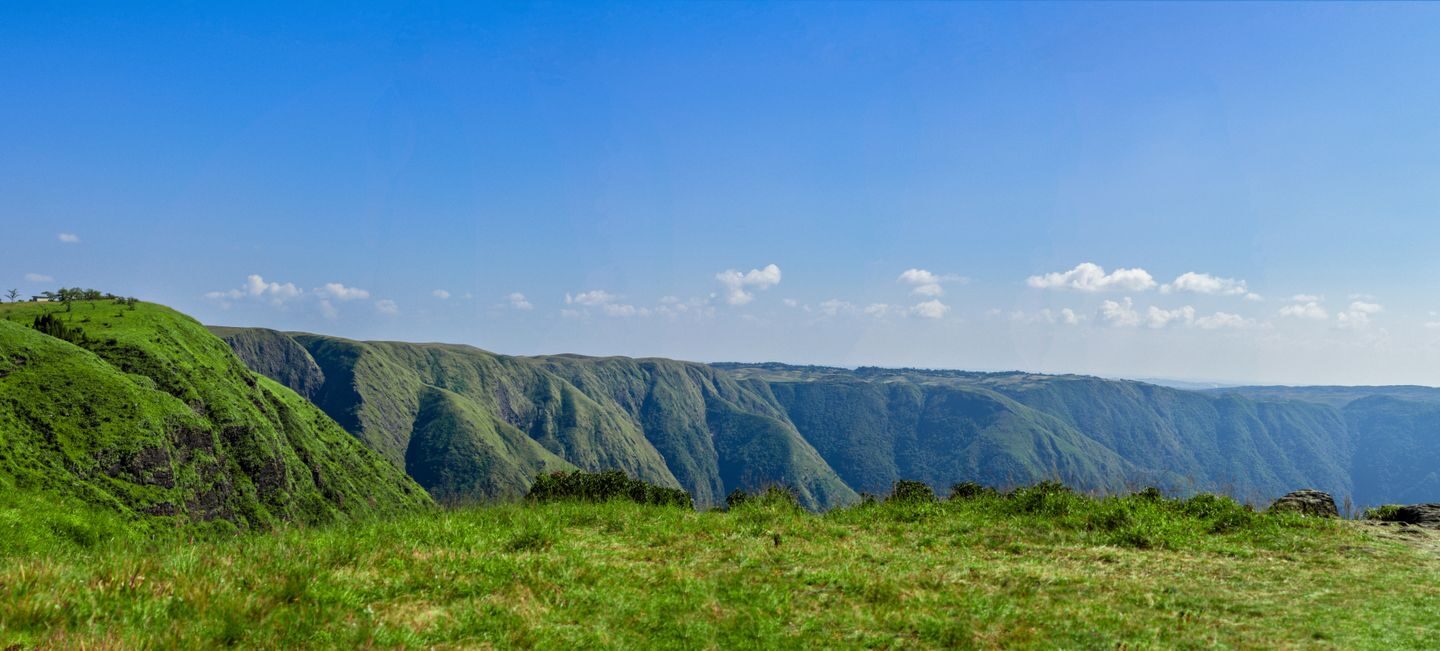
The Seven Sisters of India are the seven contiguous states of Northeast India: Arunachal Pradesh, Assam, Manipur, Meghalaya, Mizoram, Nagaland and Tripura. Together with Sikkim, often called the “brother”, they form the Northeast region. These states are linked to the rest of India through a narrow strip of land in West Bengal known as the Siliguri Corridor.
The nickname is popular, but many people are unsure where it came from or what it includes. This guide explains the origin of the term, lists each state with its capital and key facts, and shows how the Seven Sisters of India differ from one another.
Key takeaways
- The Seven Sisters are Arunachal Pradesh, Assam, Manipur, Meghalaya, Mizoram, Nagaland and Tripura.
- Sikkim joined the North Eastern Council in 2002 and is often called the “brother”.
- The name was popularised in 1972 by journalist Jyoti Prasad Saikia.
- Most of the region’s boundary is an international border with China, Myanmar, Bangladesh, Bhutan and Nepal.
- The states share geography but differ greatly in language, culture and history.
Why are they called the Seven Sisters of India?
The name “Land of the Seven Sisters” was coined in January 1972 by Jyoti Prasad Saikia, a journalist from Tripura. He used it during a radio talk show, around the time Manipur, Meghalaya and Tripura became full states.
He later expanded the idea into a book about the Seven Sisters of India. The name stuck because it captured two things at once. The states are closely linked by geography and history. At the same time, each has its own distinct identity, much like siblings in a family. As a result, the label Seven Sisters of India is now used in travel, policy and news.
List of the Seven Sisters with capitals
| State | Capital | Full statehood | Area (sq km) | Main languages |
|---|---|---|---|---|
| Assam | Dispur | 1950 (state of the Union) | 78,438 | Assamese, Bodo, Bengali |
| Arunachal Pradesh | Itanagar | 1987 | 83,743 | English (official), many tribal languages |
| Manipur | Imphal | 1972 | 22,327 | Manipuri (Meiteilon) |
| Meghalaya | Shillong | 1972 | 22,429 | English, Khasi, Garo |
| Mizoram | Aizawl | 1987 | 21,081 | Mizo, English |
| Nagaland | Kohima | 1963 | 16,579 | English (official), Nagamese widely spoken |
| Tripura | Agartala | 1972 | 10,486 | Bengali, Kokborok |
Sikkim, the eighth Northeast state, has Gangtok as its capital. It became part of India in 1975.
How the Seven Sisters were formed
At independence, much of today’s Northeast was part of the large state of Assam. Over the following decades, new states were carved out to reflect the region’s diverse communities.
- Nagaland became a state in 1963, the first to be separated from Assam.
- Manipur, Meghalaya and Tripura became full states in January 1972.
- Arunachal Pradesh and Mizoram became states in February 1987.
Arunachal Pradesh was earlier known as the North-East Frontier Agency (NEFA). It became a Union Territory in 1972 and a full state in 1987.
Sikkim: the brother of the Seven Sisters
Sikkim is not one of the Seven Sisters. Instead, it is often called their “brother”. It became part of India in 1975 and was added to the North Eastern Council in 2002.
Geographically, Sikkim is separated from the other seven states. It sits in the eastern Himalayas between Nepal, Bhutan and China. Nevertheless, it shares many cultural and developmental links with the rest of the region.
The Siliguri Corridor: the region’s link to India
The Seven Sisters of India connect to the rest of the country through the Siliguri Corridor in West Bengal. At its narrowest, this strip is only about 20–22 km wide. Because of its shape, it is often called the “Chicken’s Neck”.
Road, rail, pipelines and power lines all pass through this corridor. As a result, it is one of the most strategically important areas in India.
Borders of the Seven Sisters
Northeast India shares long international borders. In fact, the vast majority of its boundary touches other countries.
| Neighbouring country | Seven Sisters states on the border |
|---|---|
| China | Arunachal Pradesh |
| Myanmar | Arunachal Pradesh, Nagaland, Manipur, Mizoram |
| Bangladesh | Assam, Meghalaya, Tripura, Mizoram |
| Bhutan | Assam, Arunachal Pradesh |
| Nepal | (Sikkim only) |
What makes each of the Seven Sisters different?
Each state has a distinct character. Here is a quick snapshot:
- Assam is known for tea, the Brahmaputra and Kaziranga’s one-horned rhino.
- Arunachal Pradesh is the largest state in the region, home to Tawang and dozens of tribes.
- Manipur is famous for Loktak Lake, classical Manipuri dance and polo.
- Meghalaya has living root bridges and some of the wettest places on Earth.
- Mizoram has one of the highest literacy rates in India.
- Nagaland is home to many Naga tribes and the Hornbill Festival.
- Tripura has royal palaces such as Ujjayanta Palace and Neermahal.
Travelling across the Seven Sisters of India
Four of the seven states require an inner line permit for Indian visitors: Arunachal Pradesh, Nagaland, Mizoram and Manipur. Assam, Meghalaya and Tripura do not.
Guwahati in Assam is the main gateway, with the region’s busiest airport and railway station. From there, roads fan out to Shillong, Tawang, Kohima and beyond. To plan your dates, see our guide to the best time to visit Northeast India.
Seven Sisters of India by population
The Seven Sisters of India vary widely in size and population. The figures below come from the 2011 Census, the most recent full census.
| State | Population (2011 Census) | Share of Northeast population |
|---|---|---|
| Assam | About 3.12 crore | Largest, well over half |
| Tripura | About 36.7 lakh | Second largest |
| Meghalaya | About 29.7 lakh | Third |
| Manipur | About 28.6 lakh | Fourth |
| Nagaland | About 19.8 lakh | Fifth |
| Arunachal Pradesh | About 13.8 lakh | Sixth |
| Mizoram | About 11 lakh | Smallest of the seven |
Sikkim, the “brother” state, had about 6.1 lakh people in 2011, the smallest population of any Indian state.
Economy and famous products of the Seven Sisters
| State | Known for |
|---|---|
| Assam | Tea, oil and natural gas, muga silk |
| Arunachal Pradesh | Hydropower potential, orange and kiwi farming |
| Manipur | Handloom, black rice, sports talent |
| Meghalaya | Coal and limestone history, tourism, Khasi mandarins |
| Mizoram | Bamboo, horticulture |
| Nagaland | Bhut jolokia chilli, handicrafts, festivals |
| Tripura | Rubber, bamboo, pineapples |
These strengths show that the Seven Sisters of India are not one uniform region. Instead, each state has its own economy and cultural identity.
Quick profiles of the Seven Sisters of India
Each of the Seven Sisters of India has its own gateway, landscape and pace. These short profiles help you compare them before you plan a route.
Assam
Assam is the region’s hub and gateway, centred on Guwahati and the Brahmaputra. Visitors come for Kaziranga, tea estates and the river island of Majuli. It also has the largest population of the Seven Sisters of India.
Arunachal Pradesh
Arunachal Pradesh is the largest state by area. Tawang, Ziro and Namdapha draw travellers, and the Sela Tunnel has made winter access to Tawang easier. The state has 27 districts and dozens of tribal communities.
Manipur
Manipur is a green valley ringed by hills, with Imphal at its centre. Loktak Lake, with its floating phumdis, is the best-known sight. The Sangai Festival usually runs 21–30 November.
Meghalaya
Meghalaya means “abode of clouds” and covers the Khasi, Jaintia and Garo hills. Living root bridges, Sohra and Dawki are its top draws. No inner line permit is needed, but hotels must register guests.
Mizoram
Mizoram is a hilly state with Aizawl as its capital. It is known for high literacy, bamboo landscapes and the Chapchar Kut festival. Sairang, about 15 km from Aizawl, gained a railway station in September 2025.
Nagaland
Nagaland is home to many Naga tribes, each with its own dress and customs. Kohima hosts the Hornbill Festival every December at Kisama. Dimapur is the main rail and air gateway.
Tripura
Tripura is bordered by Bangladesh on three sides and has Agartala as its capital. Ujjayanta Palace, Neermahal and the rock carvings at Unakoti are key sights. It is the smallest of the Seven Sisters of India by area.
Permits for the Seven Sisters of India by state
Permit rules differ sharply across the Seven Sisters of India. The table below lists the usual position for Indian tourists. Fees and validity change, so confirm on the official portal before you travel.
| State | Permit for Indian tourists | Usual fee and validity |
|---|---|---|
| Assam | None | Not applicable |
| Meghalaya | None | Hotels register guests through the state system |
| Tripura | None | Not applicable |
| Arunachal Pradesh | Inner line permit (eILP) | ₹300 up to 3 days; ₹500 up to 14 days |
| Nagaland | Inner line permit | About ₹200 for 30 days |
| Manipur | Inner line permit | About ₹100 for up to 30 days |
| Mizoram | Temporary inner line pass | A few hundred rupees; up to 15 days |
Foreign nationals face a stricter regime. In December 2024, the Protected Area Permit rules returned for Manipur, Mizoram and Nagaland. Read our Arunachal ILP guide for the eILP steps. Sikkim, the “brother” state, needs a separate permit for places such as Nathula; see our Nathula Pass guide.
Planning a multi-state circuit across the Seven Sisters of India
Distances are long and hill roads are slow. Therefore, pick two or three states per trip rather than all seven. The Seven Sisters of India suit a hub-and-spoke plan from Guwahati.
| Circuit | Route | Suggested days |
|---|---|---|
| Meghalaya loop | Guwahati, Shillong (about 100 km), Sohra (about 55 km from Shillong), Dawki (about 95 km from Shillong) | 4–5 |
| Assam and Nagaland | Guwahati, Kaziranga, Dimapur, Kohima | 6–7 |
| Arunachal road trip | Guwahati to Tawang, about 480 km by road | 6–8 |
| Manipur add-on | Kohima to Imphal, or a flight from Guwahati | 3–4 |
Meanwhile, Tripura and Mizoram fit best as separate trips, since they lie further south. Consequently, allow extra travel time and keep spare days for landslides or fog. Time your dates with our seasonal guide.
Languages and culture of the Seven Sisters of India
The Seven Sisters of India are among the most linguistically diverse parts of the country. Hundreds of communities live here, and many speak their own language.
- Assam: Assamese is the main language, with Bodo and Bengali widely used. Manipuri became an associate official language in some Assam districts in 2024.
- Meghalaya: Khasi and Garo became official languages alongside English in April 2026.
- Nagaland: English is official, and Nagamese works as a common language between tribes.
- Mizoram and Tripura: Mizo dominates in Mizoram, while Bengali and Kokborok lead in Tripura.
Festivals reflect this variety too. The Sangai Festival, Hornbill Festival, Bihu and Chapchar Kut each belong to a different state. Moreover, the Seven Sisters of India offer very different food, dress and music from one border to the next.
Best time to visit the Seven Sisters of India
October to April is generally the best season for the Seven Sisters of India, with clear skies and open roads. However, Meghalaya’s waterfalls peak in the monsoon. In addition, high passes in Arunachal can close after snow.
Frequently asked questions
Which are the Seven Sisters of India?
The Seven Sisters of India are Arunachal Pradesh, Assam, Manipur, Meghalaya, Mizoram, Nagaland and Tripura. They are the seven contiguous states of Northeast India. Sikkim, often called the “brother”, is counted separately, and the capitals are Dispur, Itanagar, Imphal, Shillong, Aizawl, Kohima and Agartala.
Who named the Seven Sisters?
Journalist Jyoti Prasad Saikia coined the term “Land of the Seven Sisters” in January 1972 during a radio talk show. He later wrote a book on the same theme. The name became popular around the time Manipur, Meghalaya and Tripura gained full statehood, and it has since become common shorthand for the whole region.
Is Sikkim one of the Seven Sisters?
No. Sikkim is often called the “brother” of the Seven Sisters. It became part of the North Eastern Council in 2002 and is now counted as the eighth Northeast state. It is separated from the other seven by geography, sits in the eastern Himalayas and became part of India in 1975.
Which is the largest of the Seven Sisters?
Arunachal Pradesh is the largest by area, at about 83,743 sq km. Assam has the largest population, at about 3.12 crore in the 2011 Census. Assam also has the region’s main gateway city, Guwahati, so it is the largest of the Seven Sisters of India by people.
Which is the smallest of the Seven Sisters?
Tripura is the smallest of the Seven Sisters by area, at about 10,486 sq km. Mizoram, Manipur and Meghalaya are larger, and Tripura is bordered by Bangladesh on three sides. Its capital is Agartala, and it is the smallest of the Seven Sisters of India.
Why is the Siliguri Corridor called the Chicken’s Neck?
The Siliguri Corridor is a narrow strip, only about 20–22 km wide at its narrowest. Its thin shape, linking the Northeast to the rest of India, earned it the nickname “Chicken’s Neck”. Roads, rail lines, pipelines and power lines all pass through it, which makes the corridor strategically important.
Do Indian tourists need a permit for the Seven Sisters of India?
It depends on the state. Indian visitors need an inner line permit for Arunachal Pradesh, Nagaland, Manipur and Mizoram. Assam, Meghalaya and Tripura do not require one. Fees and validity change, so check the official portal before you travel.
Why the Seven Sisters matter
The Seven Sisters of India are bound by geography, history and a shared frontier. Yet each state has its own languages, traditions and landscapes. Understanding these differences is the first step to exploring the Seven Sisters of India well, whether you plan a short Meghalaya loop or a longer multi-state trip.
Find more explainers in our Northeast Guides section, or head back to the Frontier News homepage.
Related guides
More in Northeast Guides →
Northeast Guides
ADRE Exam and ADRE 3.0: Assam Direct Recruitment Pattern, Process
Northeast Guides
Nijut Moina Scheme 2026: Amount, Eligibility and How to Apply
Northeast Guides