Nongkrem Dance: Khasi Harvest Festival Guide and 2026 Dates
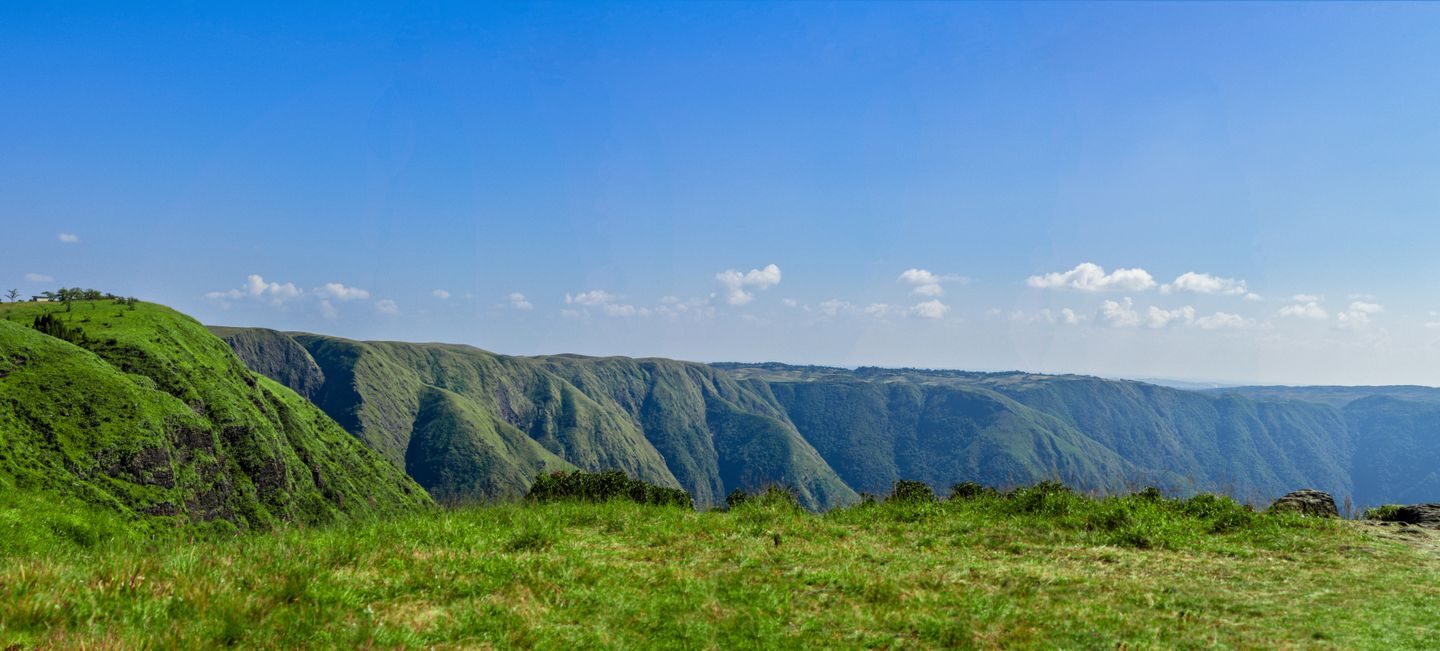
The Nongkrem dance (Ka Pomblang Nongkrem) is a five-day Khasi thanksgiving festival held by Hima Khyrim at Smit, about 11 km from Shillong in Meghalaya. It usually takes place in late October or November. The Government of Meghalaya describes it as a prayer to the goddess Ka Blei Synshar for a good harvest and prosperity. In 2025, the main dance days fell on 6 and 7 November.
The Nongkrem dance festival combines royal rituals, a goat sacrifice called Pomblang and graceful public dances in front of the thatched royal house. As a result, it draws Khasi families, officials and travellers from across India. This guide explains the meaning, the ritual sequence, the 2026 outlook and how to reach Smit.
Key takeaways
- The Nongkrem dance is a five-day religious festival of Hima Khyrim, one of the traditional Khasi states.
- It takes place at Smit, roughly 11–20 km from Shillong depending on your starting point.
- The Meghalaya government declared a holiday for the festival on 6 November 2025.
- Unmarried women dance in silk and gold, while men dance with swords and yak-hair whisks.
- No 2026 dates had been announced at the time of research; Hima Khyrim fixes them each year.
Nongkrem dance at a glance
| Detail | Information |
|---|---|
| Local names | Ka Pomblang Nongkrem, Shad Nongkrem |
| Community | Khasi, Hima Khyrim |
| Venue | Iing Sad (royal house), Smit, East Khasi Hills |
| Distance from Shillong | About 11 km per the state portal; other official pages say 15–20 km |
| Duration | Five days |
| Usual season | Late October to mid-November |
| 2025 main days | 6 and 7 November 2025 |
| 2026 dates | Not announced at the time of research |
| Main ritual | Pomblang, the goat sacrifice |
| Deity honoured | Ka Blei Synshar, with offerings to U Lei Shyllong |
| Entry | Open to spectators; no ticket reported |
| Permit | Meghalaya needs no Inner Line Permit |
What the Nongkrem dance means
The Nongkrem dance is first a religious thanksgiving, and only then a performance. The Government of Meghalaya portal says it seeks to appease Ka Blei Synshar, the supreme goddess, for a rich harvest. Furthermore, prayers cover the peace and prosperity of the whole Hima.
The festival also reaffirms the bond between the Syiem (king), the priests and the people. Therefore, it carries political as well as spiritual weight in Khasi society. A 2025 bulletin from All India Radio in Shillong called it a cherished festival of the indigenous Khasi religion, rooted in ancient administration.
The name comes from Nongkrem, the village regarded as the historic seat of the Khyrim kingdom, according to Meghalaya Tourism. Today, however, the festival takes place at Smit, the present seat of the Syiemship.
History of Hima Khyrim and the Nongkrem dance
The Khasi Hills were once divided into small states called Himas, each led by a Syiem. According to a detailed 2025 feature in Borderlens, Hima Khyrim and Hima Mylliem emerged after the older Hima Shyllong split. Consequently, the rulers of Khyrim still trace their ritual duties to that early kingdom.
The Syiemship follows Khasi matrilineal custom. As a result, the Syiem Sad, often translated as Queen Mother, holds a central ritual role. The Ministry of Tourism’s UTSAV portal says rituals are performed by Ka Syiem Sad and Ki Sohblei, the priests.
The festival’s exact age is unclear. EastMojo reported in 2021 that the ritual has been performed for over 200 years, although no firm founding date appears in official sources. Similarly, the precise order of rites is passed down orally, so accounts vary slightly.
Nongkrem dance 2025 dates and the 2026 outlook
Hima Khyrim sets the Nongkrem dance dates each year, and the state government then declares a local holiday. Consequently, the festival moves between late October and mid-November. Recent years show the pattern clearly.
| Year | Key date | Source of the date |
|---|---|---|
| 2023 | Festival ended around 1 November | Shillong Times report of 2 November 2023 |
| 2024 | Holiday on 12 November 2024 | Government holiday notification |
| 2025 | Holiday on 6 November; dances also on 7 November | Holiday notification and Shillong Times |
| 2026 | Not yet announced | Check Meghalaya Tourism or local news |
The 2026 state holiday list names Shad Nongkrem only among local holidays that Deputy Commissioners may declare. Therefore, it gives no fixed date. Based on recent years, the Nongkrem dance in 2026 will most likely fall in early to mid-November. However, treat this as an estimate until Hima Khyrim or the government confirms it.
Announcements usually appear only a week or two ahead, through a holiday notification and Shillong newspapers. Keep your bookings flexible until then.
Ritual sequence of the five days
Each day of the Nongkrem dance festival has its own rites, and some happen away from public view. The table shows the typical pattern described by official portals and news reports. Nevertheless, the exact order can shift.
| Stage | What happens | Can visitors watch? |
|---|---|---|
| Opening days | Rites at the Iing Sad by Ka Syiem Sad and the priests | Mostly private |
| Pomblang day | Goat sacrifice led by the Syiem and high priest | From a distance, if allowed |
| Offerings | A cock offered to U Lei Shyllong, the Shillong Peak deity | Limited |
| Dance days | Women and men dance in the Iing Sad courtyard | Yes, main public event |
| Close | Final dances and blessings | Yes |
In 2021, EastMojo reported that the third day, Pomblang Iewduh, featured the goat sacrifice and a sunset dance by the Syiems of different Himas. Meanwhile, Meghalaya Tourism says the large ritual dance takes place on the fourth day. Therefore, plan to be at Smit on the last two days if you can stay only briefly.
Pomblang: the goat sacrifice
Pomblang means the goat-killing ceremony, and it gives the festival its formal name. The Syiem of Khyrim and the high priest lead it, according to the state portal. Additionally, the rites include offerings to the ancestors of the ruling clan.
Visitors should understand this before they go. The sacrifice is a sacred act of the indigenous Khasi faith, not a show. Consequently, some ritual areas may be closed to outsiders, and photography may be unwelcome at certain moments. Follow the instructions of elders and volunteers at all times.
How the Nongkrem dance is performed
The public Nongkrem dance takes place in the courtyard of the Iing Sad. This large thatched house is built without metal parts, according to both UTSAV and Meghalaya Tourism.
Women’s dance
Unmarried young women, Ka Shad Kynthei, dance in rich silk costumes with heavy gold and silver ornaments and a crown. Their steps are usually described as slow and measured. As a result, reports link the dance with purity, discipline and grace. Shillong Times counted 170 women among 288 dancers in 2023.
Men’s dance
Men dance in a wider circle around the women. UTSAV says they hold a sword in the right hand and a white yak-hair whisk in the left. In contrast to the women, their movement is vigorous and energetic. Drums and the tangmuri, a Khasi pipe, set the rhythm for both groups.
| Feature | Women dancers | Men dancers |
|---|---|---|
| Who | Unmarried young women | Men of the Hima |
| Dress | Silk garments, gold ornaments, crown | Traditional Khasi attire |
| Hand items | None | Sword and white yak-hair whisk |
| Style | Slow and restrained | Vigorous and energetic |
| Themes often cited | Purity, discipline, balance | Martial tradition |
How to reach Smit for the Nongkrem dance
Smit lies in East Khasi Hills, a short drive from central Shillong. The state portal puts it about 11 km from Shillong, while other official pages give 15 km or 20 km. The difference likely reflects different starting points, so allow 30–45 minutes on festival days.
| Leg | Approx. distance | Options |
|---|---|---|
| Guwahati to Shillong | About 100 km | Shared taxi, private cab, bus |
| Shillong to Smit | About 11–20 km | Taxi, hired car, shared vehicles |
| Umroi (Shillong) Airport to Smit | About 45 km, per UTSAV | Pre-booked taxi |
| Guwahati railway station to Smit | About 110–125 km | Taxi via Shillong |
Most visitors stay in Shillong and drive out for the day. For taxi fares and routes on the first leg, read our guide to the Guwahati to Shillong distance. Moreover, hire your Smit taxi for the whole day, because return rides can be scarce after the dances end.
Nongkrem dance permits, entry and stays
Visitors to the Nongkrem dance need no Inner Line Permit, because Meghalaya does not use the system, unlike four other states in the region. Our explainer on the inner line permit in Northeast India lists which states do. However, since 2025 hotels and homestays in Meghalaya must register guests through the state tourism system, so carry photo ID.
No entry ticket for spectators has been reported in recent coverage. Nevertheless, confirm locally, since arrangements can change. Shillong offers the widest range of hotels, and rooms fill quickly in November. Therefore, book early once the dates are out.
Etiquette and dress code for visitors
The Nongkrem dance is a religious event first. Visitors are welcome, but good manners matter.
- Dress modestly: cover shoulders and knees, and bring a warm layer for the evening.
- Ask before photographing: always ask elders, priests and dancers first.
- Keep off the dance ground: stay behind barriers and follow volunteers.
- Do not touch ritual objects: drums, swords and offerings are sacred.
- Avoid drones: fly only with clear permission from organisers and police.
- Buy local: the fair around the venue sells crafts and Khasi food.
Nongkrem dance and other Northeast harvest festivals
November is a busy festival month across the region. Similarly, other communities hold their own thanksgiving events after the harvest.
| Festival | Community and state | Usual timing |
|---|---|---|
| Nongkrem dance | Khasi, Meghalaya | Late October to mid-November |
| Wangala | Garo, Meghalaya | Autumn; 100 Drums event in November |
| Kati Bihu | Assam | Mid-October |
| Sangai Festival | Manipur | Usually 21–30 November |
| Hornbill Festival | Nagaland | 1–10 December |
The Garo community’s Wangala festival near Tura offers a useful comparison within Meghalaya. For wider seasonal planning, see our guide to the best time to visit Northeast India.
Planning a Nongkrem dance trip: tips and nearby places
A two- or three-night stay in Shillong works well around the Nongkrem dance. Watch the dances on the main day, then use spare days for nearby sights.
- Arrive early: crowds build from late morning on the main dance day.
- Carry cash: small stalls may not accept cards.
- Expect local closures: offices in the Hima Khyrim area close on the declared holiday.
- Check the weather: November days are usually dry but evenings turn cold.
- Add Sohra: our Cherrapunji travel guide covers waterfalls about 55 km from Shillong.
For context on the wider region, our list of Northeast states and capitals explains how Meghalaya and Shillong fit into the map.
Frequently asked questions
Is the Nongkrem dance a public holiday in Meghalaya?
It is a local holiday rather than a statewide one. The government declares it for the Hima Khyrim area once the dates are fixed, as it did for 6 November 2025 and 12 November 2024. In 2025, the Khasi Students’ Union closed some offices that stayed open despite the holiday. Offices outside the notified area may work normally, so check the notification.
When is the Nongkrem dance held in 2026?
The 2026 dates had not been announced at the time of research. Hima Khyrim fixes the dates each year, and the state then declares a local holiday. Recent editions fell around 1 November in 2023, 12 November in 2024 and 6–7 November in 2025. Therefore, expect late October to mid-November and confirm through Meghalaya Tourism.
Where is the Nongkrem dance held?
The festival takes place at the Iing Sad, the royal house of the Syiem of Khyrim, in Smit village in East Khasi Hills. The state portal places Smit about 11 km from Shillong, while other official pages say 15–20 km. Most visitors travel by taxi from Shillong in under an hour.
What is Pomblang in the Nongkrem festival?
Pomblang is the ritual goat sacrifice at the heart of the festival, which gives it the name Ka Pomblang Nongkrem. The Syiem of Khyrim and the high priest lead it. The rites also include a cock offered to U Lei Shyllong, the deity of Shillong Peak, and offerings to the ancestors of the ruling clan.
Who performs in the Nongkrem dance?
Unmarried young women perform the central dance in silk costumes, gold ornaments and crowns. Men dance around them, holding a sword in the right hand and a white yak-hair whisk in the left. In 2023, the Shillong Times counted 288 dancers, including 170 women and 118 men, at the closing performance.
Can tourists attend the Nongkrem dance?
Yes. Tourists can watch the public Nongkrem dance in the Iing Sad courtyard, and no entry ticket has been reported in recent coverage. Some rituals, however, remain private or restricted. Dress modestly, stay behind barriers and ask before photographing elders or dancers. Meghalaya requires no Inner Line Permit for Indian visitors.
How many days does the Nongkrem festival last?
The Nongkrem dance festival lasts five days, according to the Government of Meghalaya and Meghalaya Tourism. The opening days focus on rites at the royal house. The Pomblang sacrifice follows, and the large public dances usually come on the fourth and fifth days. Exact timings are fixed locally each year, so check before travelling.
Experience the Khasi thanksgiving at Smit
The Nongkrem dance offers a rare look at living Khasi faith, royal custom and dance in one place. Plan for early to mid-November, watch for the official holiday notice and base yourself in Shillong. Above all, treat the rituals with the respect they deserve.
Explore more festival guides in Festivals & Culture or return to the Frontier News homepage.
Related guides
More in Festivals & Culture →
Festivals & Culture
Bhut Jolokia: The Ghost Pepper of Northeast India Explained
Festivals & Culture
Sangai Festival 2026: Dates, Venues and Highlights in Manipur
Festivals & Culture