Best Time to Visit Northeast India: A Month-by-Month Guide
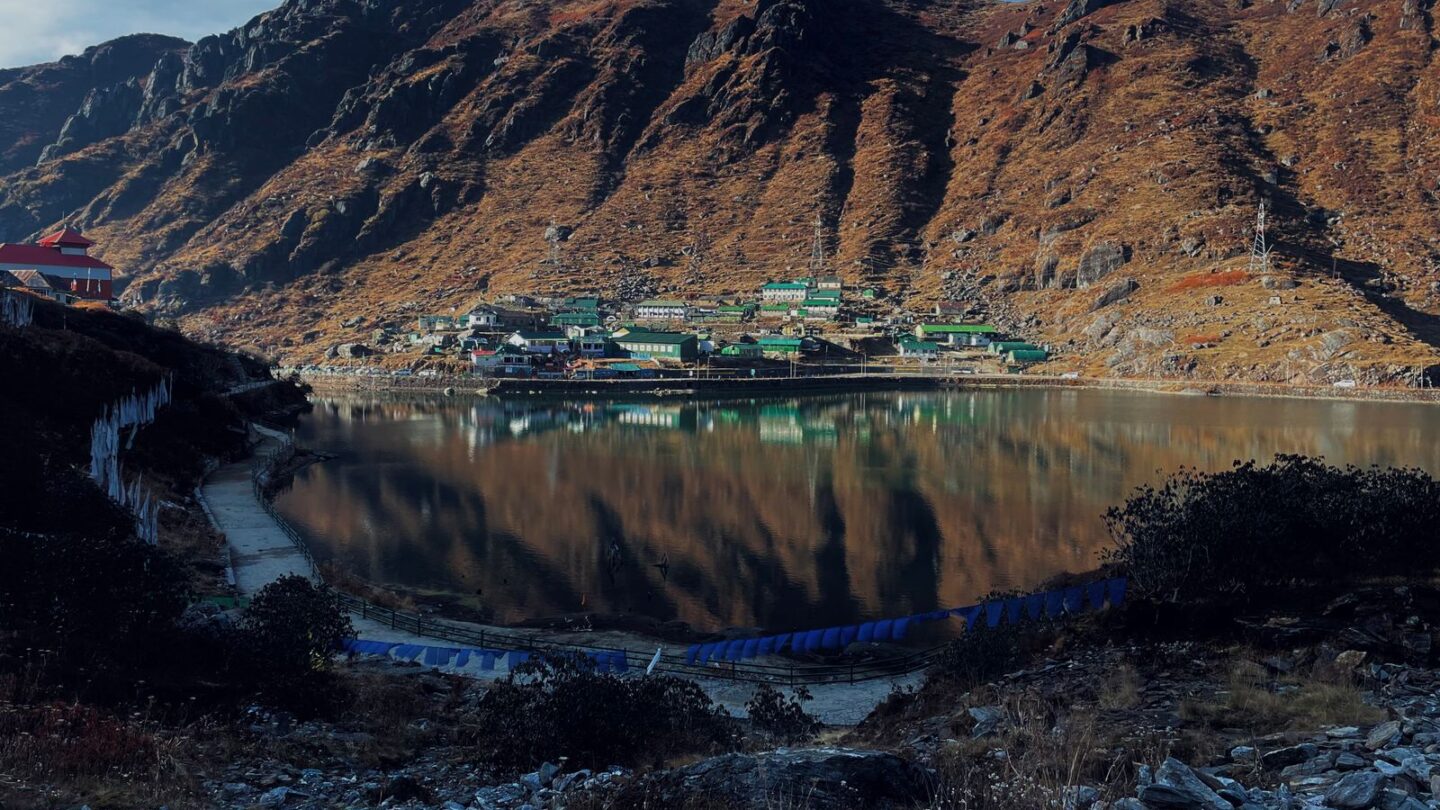
The best time to visit Northeast India is from October to April. During these months, the skies are clearer, the roads are more reliable and most parks and passes are open. However, the right month depends on what you want to see. Snow in Tawang, waterfalls in Meghalaya and festivals in Nagaland all peak at different times.
Northeast India covers eight states with very different terrain. As a result, weather in the Brahmaputra plains can feel tropical while mountain passes in Sikkim and Arunachal sit under snow. This guide breaks the year down month by month and state by state, so you can match your dates to your plans.
Key takeaways
- October to April is the best time to visit Northeast India for most travellers.
- October–November brings clear mountain views and big festivals such as Hornbill and Sangai.
- December–February is best for snow in Tawang and Sikkim, but some high passes can close.
- June–September is the monsoon, which is ideal for Meghalaya’s waterfalls but risky for mountain roads.
- Kaziranga and other national parks usually close during the monsoon.
Best time to visit Northeast India at a glance
| Season | Months | Weather | Best for | Watch out for |
|---|---|---|---|---|
| Autumn | October–November | Clear skies, cool days | Mountain views, festivals, road trips | Peak-season prices |
| Winter | December–February | Cold, dry, snow at height | Snow in Tawang and Sikkim, Hornbill, wildlife | Pass closures, very cold nights |
| Spring | March–May | Mild, flowers in bloom | Rhododendrons, Bihu, trekking | Pre-monsoon showers from May |
| Monsoon | June–September | Heavy rain | Meghalaya waterfalls, green valleys | Landslides, park closures |
Month-by-month weather and travel guide
October and November
October and November are arguably the best time to visit Northeast India overall. The monsoon clears, so mountain views are sharp and roads reopen. Moreover, the rivers start to settle, which makes places like Dawki much clearer.
This is also festival season. The Sangai Festival in Manipur runs in the last ten days of November. Meanwhile, Wangala celebrations take place in Meghalaya’s Garo Hills. Book stays early, because Sikkim and Meghalaya fill up quickly.
December to February
Winter is cold but dry. For snow lovers, it is the best time to visit Northeast India. Tawang, Sela Pass and North Sikkim often get snow, which draws many visitors. Furthermore, the opening of the Sela Tunnel in March 2024 has made winter travel to Tawang more reliable.
December also brings the Hornbill Festival in Nagaland from 1 to 10 December. However, high passes such as Nathula and roads in North Sikkim can shut after heavy snowfall. Keep one or two buffer days in your plan.
March to May
Spring is mild and colourful, and for flower lovers it is the best time to visit Northeast India. Rhododendrons bloom in Sikkim’s Yumthang Valley and in the Tawang region. In mid-April, Assam celebrates Rongali (Bohag) Bihu, the Assamese New Year.
By May, pre-monsoon showers begin, especially in Meghalaya and lower Assam. Consequently, trekking is best in March and April.
June to September
The monsoon brings very heavy rain. Mawsynram and Cherrapunji (Sohra) in Meghalaya are among the wettest places on Earth. For waterfall lovers, this is the most dramatic time to visit Meghalaya.
However, landslides can block mountain roads in Sikkim, Arunachal and Mizoram. In addition, Kaziranga and most national parks close for the season. Travel in this period needs flexible plans.
Best time to visit each Northeast state
| State | Best months | Why | Avoid |
|---|---|---|---|
| Assam | November–April | Kaziranga open, pleasant weather | Mid-monsoon floods |
| Arunachal Pradesh | October–April | Clear views, Tawang snow in winter | Peak monsoon landslides |
| Meghalaya | October–May; June–September for waterfalls | Clear rivers after rains; waterfalls in monsoon | Very heavy rain days |
| Nagaland | October–May | Hornbill in December, dry trails | Monsoon for Dzukou trek |
| Manipur | October–March | Sangai Festival, Loktak views | Heavy monsoon rain |
| Mizoram | October–March | Clear hill views, Chapchar Kut in March | Monsoon landslides |
| Tripura | October–March | Palaces and lakes in dry weather | Humid summer |
| Sikkim | March–May, October–December | Rhododendrons, clear Kanchenjunga views | Monsoon road closures |
Best time to visit Northeast India for festivals
For many travellers, festivals decide the best time to visit Northeast India. They are one of the strongest reasons to time your trip carefully. Some dates are fixed every year. Others follow local or lunar calendars.
| Festival | State | Usual timing |
|---|---|---|
| Hornbill Festival | Nagaland | 1–10 December |
| Sangai Festival | Manipur | 21–30 November |
| Wangala | Meghalaya | November (dates announced yearly) |
| Rongali (Bohag) Bihu | Assam | Mid-April |
| Magh Bihu | Assam | Mid-January |
| Losar | Arunachal, Sikkim | February or March |
| Chapchar Kut | Mizoram | March |
| Ziro Music Festival | Arunachal Pradesh | Late September |
For more festival guides, browse our Festivals & Culture section.
Budget and crowd levels through the year
Budget is another factor in choosing the best time to visit Northeast India. Prices follow the crowds. October, November and late December are the busiest months. Hotels in Gangtok, Shillong and Tawang can cost much more during these weeks.
By contrast, February and early March are quieter. The weather is still good, and many stays offer better rates. Similarly, the monsoon is the cheapest period, but only if you accept the risk of delays.
Practical tips before you book
- Sort permits early. Arunachal, Nagaland, Mizoram and Manipur need an inner line permit for Indian visitors.
- Keep buffer days. Snow, fog and landslides can close roads for a day or more.
- Pack layers. Even in October, nights above 2,500 metres are cold.
- Start early each day. Mountain weather often turns cloudy by afternoon.
- Check park dates. National parks usually reopen after the monsoon, often in October or November.
If you are new to the region, our overview of the Seven Sisters of India explains the states, capitals and how they connect.
Best time to visit Northeast India for specific experiences
Different experiences peak in different months, so the best time to visit Northeast India changes with your goal. Use this table to match your interests with the right season.
| Experience | Best months | Where |
|---|---|---|
| Snow and frozen lakes | December–February | Tawang, Sela Pass, Tsomgo Lake, North Sikkim |
| Rhododendron blooms | March–May | Yumthang Valley, Tawang region |
| Clear river water | November–February | Dawki and Shnongpdeng, Meghalaya |
| Waterfalls at full flow | June–September | Cherrapunji, Mawsynram, Nongriat |
| Rhino and elephant safaris | November–April | Kaziranga, Manas, Pobitora |
| Trekking | October–November, March–April | Dzukou Valley, Sikkim trails |
| Tribal festivals | November–December | Nagaland, Manipur, Meghalaya |
Sample itineraries by season
Choosing the best time to visit Northeast India also shapes your route. Here are three season-based ideas.
October–November: festivals and clear views
Start in Guwahati, spend three days in Meghalaya, then fly or drive to Dimapur for Kohima. End with the Sangai Festival in Imphal if dates allow.
December–February: snow and wildlife
Combine Kaziranga for rhino safaris with a road trip to Tawang via Dirang and Sela Pass. Alternatively, pair Gangtok and Tsomgo Lake with Pelling for Kanchenjunga views.
March–April: flowers and quiet roads
Head to Sikkim for rhododendrons and Yumthang, then continue to Darjeeling or return via Siliguri. In mid-April, add Assam for Bohag Bihu celebrations.
How weather differs across altitudes
Northeast India rises from low river plains to high Himalayan passes. Consequently, one trip can include very different climates.
| Altitude zone | Examples | Winter feel | Summer feel |
|---|---|---|---|
| Plains (under 200 m) | Guwahati, Kaziranga, Agartala | Mild, foggy mornings | Hot and humid |
| Hills (1,000–2,000 m) | Shillong, Kohima, Aizawl, Gangtok | Cold nights | Pleasant |
| High hills (2,000–3,500 m) | Tawang, Lachung, Ziro area | Freezing nights | Cool |
| Passes (over 3,500 m) | Sela, Nathula, Gurudongmar | Snow, sub-zero | Cold and windy |
Pack for the highest point on your route, not the first city you land in. Whatever the best time to visit Northeast India is for you, layers are essential.
Best time to visit Northeast India by traveller type
The best time to visit Northeast India also depends on who is travelling. Families, photographers and budget travellers each need a different window. Use the table below as a starting point.
| Traveller type | Best months | Why |
|---|---|---|
| Families with children | October–November, February–March | Mild days and easier road journeys |
| Photographers | October–December | Crisp air, sharp mountain views and festival colour |
| Honeymooners | November–March | Cool weather, cosy stays and snow at height |
| Birdwatchers | November–March | Dry trails and winter birding in Assam and Nagaland |
| Trekkers | March–April, October–November | Stable weather and clear trails |
| Budget travellers | February–early March | Lower room rates with good weather |
| Senior travellers | November–February | Comfortable temperatures in Guwahati, Shillong and Kaziranga |
For a mixed group, late October to mid-November or March is usually the best time to visit Northeast India. However, always check the altitude of each stop before you fix dates.
Best time to visit Northeast India for Tawang and Sikkim
Tawang and Sikkim attract the most high-altitude travellers, so timing matters more here. Tawang lies roughly 480 km from Guwahati by road. Sela Pass, at about 4,170 m, often holds snow from December to February. Consequently, October–November and March–April are the safest windows for clear roads. Permits are needed, so read our Arunachal ILP guide first.
In Sikkim, Tsomgo Lake and Nathula sit above 3,700 m. Nathula is for Indian citizens only and is usually open Wednesday to Sunday, so confirm with your operator. Our Nathula Pass guide explains the rules. Overall, the best time to visit Northeast India for Sikkim is March–May and October–December.
Packing list for the best time to visit Northeast India
Good kit matters as much as choosing the best time to visit Northeast India. Pack for the season and for the highest point on your route.
- Autumn (October–November): light woollens, a windcheater and sturdy walking shoes.
- Winter (December–February): thermals, a down jacket, gloves, a woollen cap and lip balm.
- Spring (March–May): layers, a light rain jacket, sunscreen and trekking shoes.
- Monsoon (June–September): a waterproof jacket, quick-dry clothes, leech socks and dry bags for phones and documents.
- All year: a power bank, permit copies, basic medicines and some cash for remote areas.
Moreover, warm gear can often be rented in tourist hubs such as Gangtok. Rates vary, so confirm locally.
Crowd and price calendar for the best time to visit Northeast India
Crowds and hotel rates rise and fall with the seasons. The table below is an indicative guide based on typical demand, not official data.
| Month | Crowd level | Hotel prices | What drives demand |
|---|---|---|---|
| October | High | High | Post-monsoon clear skies and holidays |
| November | High | High | Sangai Festival, Wangala, clear views |
| December | Very high | Very high | Hornbill Festival and year-end trips |
| January | Moderate | Moderate | Cold weather and Magh Bihu |
| February | Low to moderate | Lower | Quiet roads and good weather |
| March | Moderate | Moderate | Flowers and Chapchar Kut |
| April | Moderate to high | Moderate to high | Bohag Bihu and trekking |
| May | Low to moderate | Lower | Pre-monsoon showers, cooler Sikkim |
| June–September | Low | Lowest | Rain and landslide risk |
As a result, the best time to visit Northeast India on a budget is February, early March or the shoulder weeks around November. Book Hornbill week stays several months ahead.
Mistakes to avoid when choosing the best time to visit Northeast India
- Treating eight states as one climate. Assam’s plains and Sikkim’s passes differ sharply.
- Booking festival stays late. Nagaland and Manipur fill up fast in November and December.
- Planning high passes in the monsoon. Landslides can cut roads for days.
- Ignoring permit time. Sort your inner line permit before you book.
- Skipping buffer days. Fog, snow and rain can delay any itinerary.
Frequently asked questions
Which is the best month to visit Northeast India?
October and November are the best months for most travellers. The weather is clear, the roads are open and major festivals take place. March and April are a close second, especially for flowers, trekking and quieter roads. Therefore, pick your month by interest.
Is December a good time to visit Northeast India?
Yes, if you want snow and festivals. December brings the Hornbill Festival and snowfall in Tawang and Sikkim. However, some high passes can close after heavy snow, so keep buffer days for delays. Book Hornbill week stays early, because rooms in Kohima sell out quickly.
Should I visit Northeast India in the monsoon?
Only with flexible plans. The monsoon is the best time to see Meghalaya’s waterfalls. Still, landslides can block roads in the hill states, and national parks usually close. Pick the best time to visit Northeast India for waterfalls only if you can handle delays.
When is the best time to see snow in Northeast India?
December to February is the best time for snow. Tawang, Sela Pass, Tsomgo Lake and North Sikkim often receive snowfall during these months. Keep in mind that high passes can close briefly after heavy snow, so check road status locally.
When does Kaziranga National Park open?
Kaziranga usually reopens after the monsoon, with some ranges opening in October and full safaris by November. It generally stays open until April or early May. Confirm exact dates with the park authorities, because the schedule can change with the weather.
What is the cheapest time to visit Northeast India?
The monsoon months of June to September are the cheapest. February and early March also offer lower prices with good weather. However, the cheapest month is not always the best time to visit Northeast India, because the monsoon brings delays and closures.
Is March a good month for Northeast India?
Yes, March is a strong choice. Rhododendrons bloom in Sikkim and Arunachal, trekking conditions are good and crowds are moderate. Chapchar Kut takes place in Mizoram. Showers begin in some areas, so carry a light rain jacket. Many travellers rate March among the best times to visit Northeast India.
What is the best time to visit Northeast India for Tawang?
October–November and March–April are the safest for Tawang. Winter brings snow at Sela Pass, which looks spectacular but can slow traffic. The best time to visit Northeast India for snow in Tawang is December to February, with spare days in your plan.
Choosing your season
The best time to visit Northeast India is the season that matches your plans. Pick October–November for clear views and festivals, December–February for snow, March–April for flowers and quieter roads, and the monsoon only for Meghalaya’s waterfalls.
Whatever the season, the best time to visit Northeast India works only with early permits and a day or two spare. Sort your permits first. Find more destination guides in our Northeast Travel section or start from the Frontier News homepage.
Related guides
More in Northeast Travel →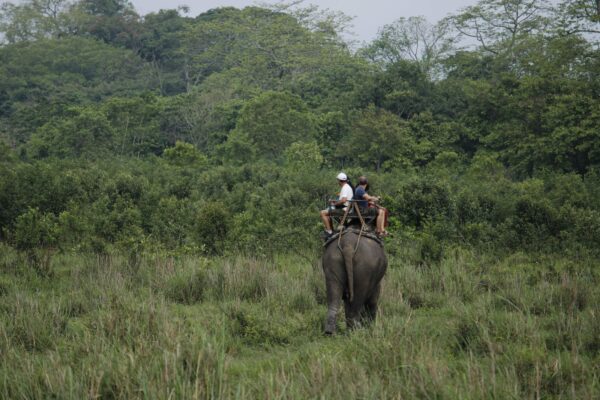
Northeast Travel
Kaziranga Safari Booking 2026: Jeep and Elephant Safari Guide
Northeast Travel
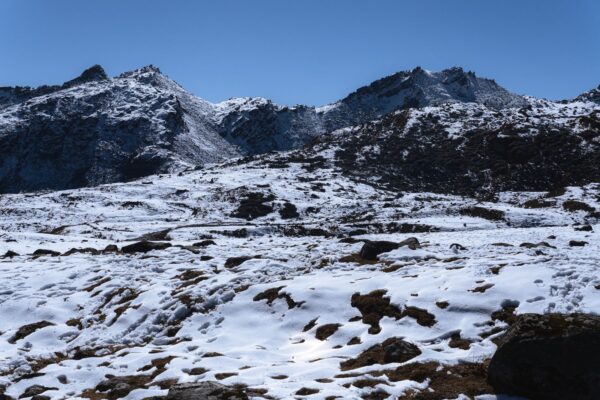
Tawang Travel Guide: Monastery, Lakes, Permits and Itinerary
Northeast Travel