Tsomgo Lake Guide: Permit, Best Time and Day Trip from Gangtok
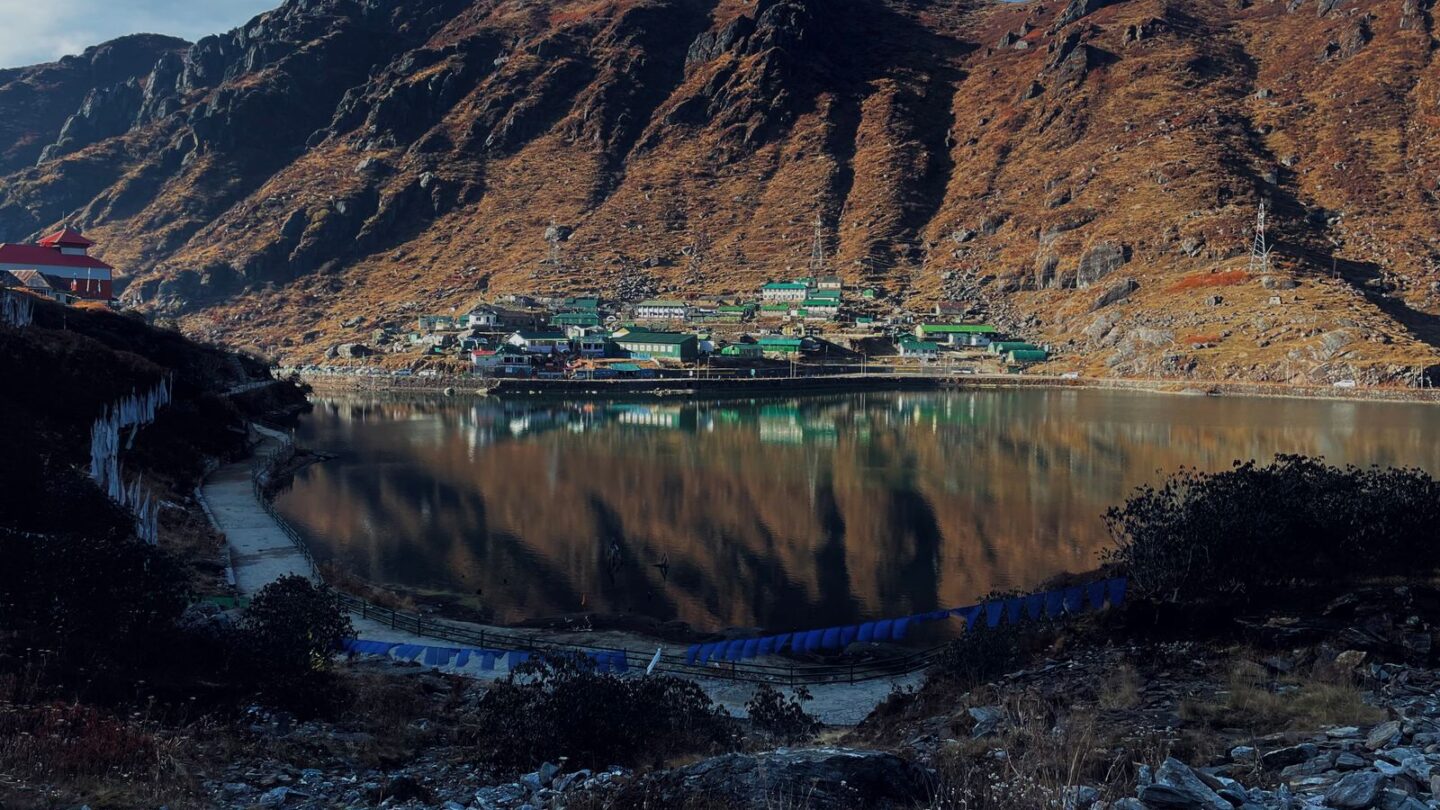
Tsomgo Lake (also called Changu Lake) is a glacial lake in East Sikkim, about 38–40 km from Gangtok at roughly 3,753 metres (12,313 ft). Every visitor needs a permit, which a registered Sikkim tour operator arranges a day in advance. Most travellers visit on a half-day or full-day trip from Gangtok, often combined with Baba Mandir and Nathula Pass.
The lake sits on the Jawaharlal Nehru Road towards the India–China border. As a result, access depends on permits, weather and road clearance. This guide covers the permit process, documents, costs, seasons, closures and a practical day plan.
Key takeaways
- Tsomgo Lake lies about 38–40 km from Gangtok at around 3,753 m, roughly 1.5–2 hours by road.
- Indians need a Protected Area Permit arranged through a registered travel agent or hotel in Gangtok.
- Aadhaar is not valid for Sikkim permit processing; carry a voter ID, passport, driving licence or government ID.
- Foreigners get a one-day pass only, in groups of at least two, through a registered agency.
- Heavy snow can close the road and halt permits, as happened in January 2025 and February 2026.
Tsomgo Lake at a glance
| Detail | Information |
|---|---|
| Other name | Changu Lake |
| Location | Gangtok district, East Sikkim, on the road to Nathula |
| Altitude | About 3,753 m (12,313 ft) |
| Distance from Gangtok | About 38–40 km |
| Drive time | Roughly 1.5–2 hours one way |
| Size | About 836 m long; area around 24 hectares |
| Permit | Protected Area Permit via a registered operator |
| Foreigners | Allowed for one day, minimum group of two |
| Frozen months | Usually mid-winter; ice can linger into spring |
| Nearby | Kyongnosla Alpine Sanctuary, Baba Mandir, Nathula Pass |
What makes Tsomgo Lake special
The name comes from the Sikkimese words “tso” (lake) and “mgo” (head), often translated as “source of the lake”. The oval lake stretches for about a kilometre. Its maximum depth is reported at around 15 metres, although the average is far shallower.
Local communities regard the water as sacred. During Guru Purnima, traditional healers known as jhakris have long gathered at the shore. Additionally, a small Shiva shrine and prayer flags stand near the stalls. Therefore, visitors should avoid littering or throwing objects into the water.
The colours change with the season. In winter, snow covers the slopes and the surface often freezes. Meanwhile, late spring brings rhododendrons and primulas to the surrounding hills.
Tsomgo Lake permit rules for Indians
Indian citizens need a Protected Area Permit (PAP) for a day visit. You cannot collect this permit on your own at the lake. Instead, a registered travel agent or your hotel in Gangtok processes it through the police check post at 3rd Mile.
How the permit process works
- Book a Tsomgo trip with a registered Gangtok operator, ideally a day before.
- Hand over a valid photo ID and two passport-size photographs for each traveller.
- The operator files the permit for your group and vehicle.
- On the day, the driver carries the permit through the check posts.
- Keep your original ID with you until you return to Gangtok.
Documents accepted for the permit
| Document | Accepted? |
|---|---|
| Voter ID card | Yes |
| Indian passport | Yes |
| Indian driving licence | Yes |
| Central or state government-issued ID | Yes |
| Aadhaar card | No, not valid for permit processing |
| Passport-size photographs | Two per person |
The state tourism department states clearly that Aadhaar is not accepted for permits. Consequently, many families get turned back at the agent’s desk. Document rules for children can differ, so confirm them with your agent before travelling.
Tsomgo Lake rules for foreign nationals
Foreigners can visit, unlike at Nathula Pass. However, the conditions are stricter. The Sikkim Tourism and Civil Aviation Department issues the Tsomgo pass for one day only. Applications must include at least two foreigners and must go through a government-registered travel agency.
| Requirement | Detail |
|---|---|
| Base permit | Restricted Area Permit (RAP) for entering Sikkim |
| Tsomgo permit | One-day Protected Area Permit |
| Group size | Minimum two foreign nationals |
| How to apply | Through a registered Sikkim travel agency |
| Documents | Passport and visa copies, RAP copy, two photos, application form |
| Nathula Pass | Not allowed for foreigners |
Foreign riders on motorbikes may also get a one-day two-wheeler pass up to the lake. Moreover, some nationalities face extra clearance rules. Therefore, contact a registered agency well before your trip.
Tsomgo Lake and Sikkim’s permit system
Sikkim does not require an inner line permit for Indian visitors. Nevertheless, several border zones need a protected area permit. Tsomgo, Baba Mandir, Nathula, Zuluk and North Sikkim all fall into this group. To compare these rules with other states, read our inner line permit guide.
In August 2026, Sikkim discussed an AI-based digital permit system for Tsomgo and Nathula. The proposal includes digital payment and non-transferable permits. However, no launch date has been announced. Until then, follow the existing agent-based process.
How to reach Tsomgo Lake from Gangtok
The road leaves Gangtok and climbs steeply along the Jawaharlal Nehru Road. Within about 15 km, the altitude rises sharply. You pass the Karponang check post and then the forests of the Kyongnosla Alpine Sanctuary. Soon after, the valley opens up and the lake appears beside the road.
| Point on the route | Approx. distance from Gangtok |
|---|---|
| 3rd Mile check post | Edge of Gangtok |
| Karponang check post | About 15 km |
| Kyongnosla Alpine Sanctuary | About 25 km |
| Tsomgo Lake | About 38–40 km |
| Nathula Pass | About 54–56 km |
Only permitted tourist vehicles can go beyond the check posts. As a result, you cannot drive a self-hired car from outside Sikkim without the proper papers. Most visitors travel in a Gangtok-registered SUV or shared jeep.
Tsomgo Lake trip costs in 2026
There is no separate entry ticket at the lake for most visitors. Instead, you pay for the vehicle, and the permit is usually bundled into that price. Rates vary by season, vehicle type and operator.
| Option | What you get | Indicative cost |
|---|---|---|
| Shared jeep seat | Tsomgo and Baba Mandir with permit | Roughly ₹800 per person |
| Shared seat with Nathula | Tsomgo, Baba Mandir and Nathula | Roughly ₹900–₹1,000 per person |
| Reserved Sumo or Max | Tsomgo and Baba Mandir | Around ₹4,000–₹4,500 per vehicle |
| Reserved vehicle with Nathula | All three stops | Around ₹6,500–₹7,500 per vehicle |
| Yak ride at the lake | Short joy ride | Often ₹100–₹300 per person |
| Ropeway | Short cable car ride above the lake | A few hundred rupees per person |
These figures come from published operator rates, some from earlier seasons. Therefore, treat them as a guide and compare two or three registered operators. Prices usually rise in May, October and the Christmas–New Year week. Additionally, carry cash, because network coverage and card machines can fail at altitude.
Best time to visit Tsomgo Lake
Each season changes the lake completely. Pick your month based on what you want to see and how much risk you accept.
| Months | What to expect | Verdict |
|---|---|---|
| January–February | Frozen lake, deep snow, sub-zero cold | Beautiful but frequent closures |
| March–May | Snow patches, rhododendrons, milder days | Very good |
| June–September | Monsoon mist, landslide risk, green slopes | Risky; keep buffer days |
| October–mid-December | Clear skies, blue water, sharp views | Excellent |
November and April often give the best balance of views and access. Meanwhile, January and February attract snow lovers, but the road can shut for days. For a region-wide seasonal plan, see our best time to visit Northeast India guide.
Tsomgo Lake in winter
The lake usually freezes in mid-winter. Ice can remain on parts of the surface well into spring. Temperatures can drop far below zero at night and stay near freezing in the day. Consequently, winter visitors need proper boots, thermals and gloves. Rental boots and jackets are available at stalls near the shore.
Snow closures and road safety
Snowfall and black ice regularly close the road above Gangtok. In January 2025, the Sikkim Tourism Department temporarily stopped issuing permits for Nathula and Tsomgo after heavy snow. Officials cited black ice on the route.
Similarly, on 25 February 2026, heavy snow stranded about 541 tourist vehicles, carrying roughly 2,736 people, between 15th Mile and the lake. Sikkim Police, the tourism department and road crews evacuated everyone safely. Afterwards, the department asked operators to carry snow chains during snowfall.
Plan a buffer day: Keep at least one spare day in Gangtok between December and March. If permits are suspended, your agent will usually reschedule rather than refund in full, so check the policy before paying.
A one-day Tsomgo Lake itinerary
Trips start early because the weather usually worsens after midday. The lake is also busier by late morning.
| Time | Plan |
|---|---|
| 7:00–8:00 am | Leave Gangtok with your driver and permit |
| 8:30–9:30 am | Check posts and photo stops above Karponang |
| 9:30–11:00 am | Tsomgo Lake: walk, yak ride, ropeway, tea |
| 11:00 am–1:00 pm | Optional Baba Mandir or Nathula (Nathula visits usually go first) |
| 2:00–4:00 pm | Return to Gangtok |
If you add Nathula, the driver usually heads to the pass first and stops at the lake on the way back. Nathula permits are not issued on Mondays, and the pass follows its own schedule. Read our Nathula Pass guide for open days and permit limits.
Things to do at Tsomgo Lake
- Walk the shore path for views of the lake and surrounding ridges.
- Take a yak ride on decorated yaks led by local handlers.
- Ride the ropeway for an aerial view, if it is operating that day.
- Try hot snacks such as momos, Maggi and tea at the roadside stalls.
- Visit the small Shiva shrine and prayer wheels near the stalls.
- Look for alpine flowers in late spring and early summer.
Moreover, feeding yaks junk food or climbing unstable slopes can cause harm, so follow the handlers’ guidance.
Altitude, health and packing tips
At about 3,750 m, the air holds noticeably less oxygen than in Gangtok. Some visitors feel headaches or breathlessness. Therefore, spend at least one night in Gangtok before going up, walk slowly and drink water.
- Carry warm layers even in summer; wind at the lake gets cold quickly.
- Wear sunglasses and sunscreen because snow glare is strong.
- Keep original ID and spare photos in your day bag.
- Carry cash for snacks, rentals, rides and toilets.
- Avoid alcohol the night before the trip.
- Seek medical advice before taking infants, elderly relatives or anyone with heart or lung problems.
Common mistakes on a Tsomgo Lake trip
- Bringing only Aadhaar. It is not accepted for Sikkim permits.
- Booking on arrival day. Permits are processed a day ahead, so plan for the next morning.
- Ignoring weather alerts. Snow can halt permits without much warning.
- Leaving late. Afternoon clouds often hide the views.
- Littering. Plastic and food waste damage a fragile, sacred alpine lake.
If Sikkim is part of a longer Northeast loop, our Seven Sisters of India guide explains the neighbouring states. For a lower-altitude contrast, the clear river at Dawki in Meghalaya makes a popular addition.
Frequently asked questions
Do I need a permit for Tsomgo Lake?
Yes. Every visitor needs a permit. Indian citizens need a Protected Area Permit for a day visit, which a registered Gangtok travel agent or hotel arranges through the 3rd Mile police check post. Hand over a valid photo ID and two passport-size photos a day before. The driver then carries the permit through the check posts on the way up.
Is Aadhaar accepted for the Tsomgo Lake permit?
No. The Sikkim tourism department says Aadhaar is not valid for permit processing. Instead, carry a voter ID, Indian passport, Indian driving licence or a central or state government-issued ID. Each traveller should also carry two passport-size photographs. Check any rules for children with your agent, because documents for minors can differ.
Can foreigners visit Tsomgo Lake?
Yes, but only for one day. Foreign nationals need a Restricted Area Permit for Sikkim and a separate one-day Protected Area Permit for Tsomgo Lake. The application must include at least two foreigners and must go through a government-registered travel agency. Foreigners cannot continue to Nathula Pass, which is open to Indian nationals only.
How far is Tsomgo Lake from Gangtok?
Tsomgo Lake is about 38–40 km from Gangtok by road. The drive usually takes 1.5–2 hours one way, depending on traffic, check posts and weather. The road climbs steeply past Karponang and the Kyongnosla Alpine Sanctuary. Most trips leave Gangtok between 7 and 8 am and return by mid-afternoon.
When does Tsomgo Lake freeze?
The lake usually freezes during mid-winter, typically around January and February. Ice can linger on parts of the surface into spring, depending on the year. Winter visits bring snow scenery but also frequent road closures. For a frozen-lake trip, keep at least one buffer day in Gangtok and carry heavy winter clothing.
How much does a Tsomgo Lake trip cost?
Costs depend on the vehicle and season. Published operator rates suggest roughly ₹800 per person for a shared jeep to Tsomgo and Baba Mandir. A reserved SUV often costs around ₹4,000–₹4,500. Adding Nathula raises the price. Yak rides and the ropeway cost extra, so compare registered operators before paying.
Is Tsomgo Lake open every day?
The lake has no fixed weekly closure for tourists and is normally accessible on all days, subject to weather and road clearance. However, heavy snow or landslides can shut the road and halt permits. Nathula Pass is different, because permits for it are not issued on Mondays. Always confirm with your agent a day before.
Plan Tsomgo Lake with an early start
Tsomgo Lake rewards careful planning. Book through a registered operator a day ahead, carry an accepted ID and leave Gangtok early. Keep a buffer day in winter, dress for the cold and treat this sacred lake with respect.
Explore more destinations in our Northeast Travel section, or return to the Frontier News homepage.
Related guides
More in Northeast Travel →
Northeast Travel
Yumthang Valley: Valley of Flowers, Permit, Route and Best Time
Northeast Travel
Kaziranga Safari Booking 2026: Jeep and Elephant Safari Guide
Northeast Travel