Hornbill Festival 2026: Dates, Tickets, Venue and Travel Guide
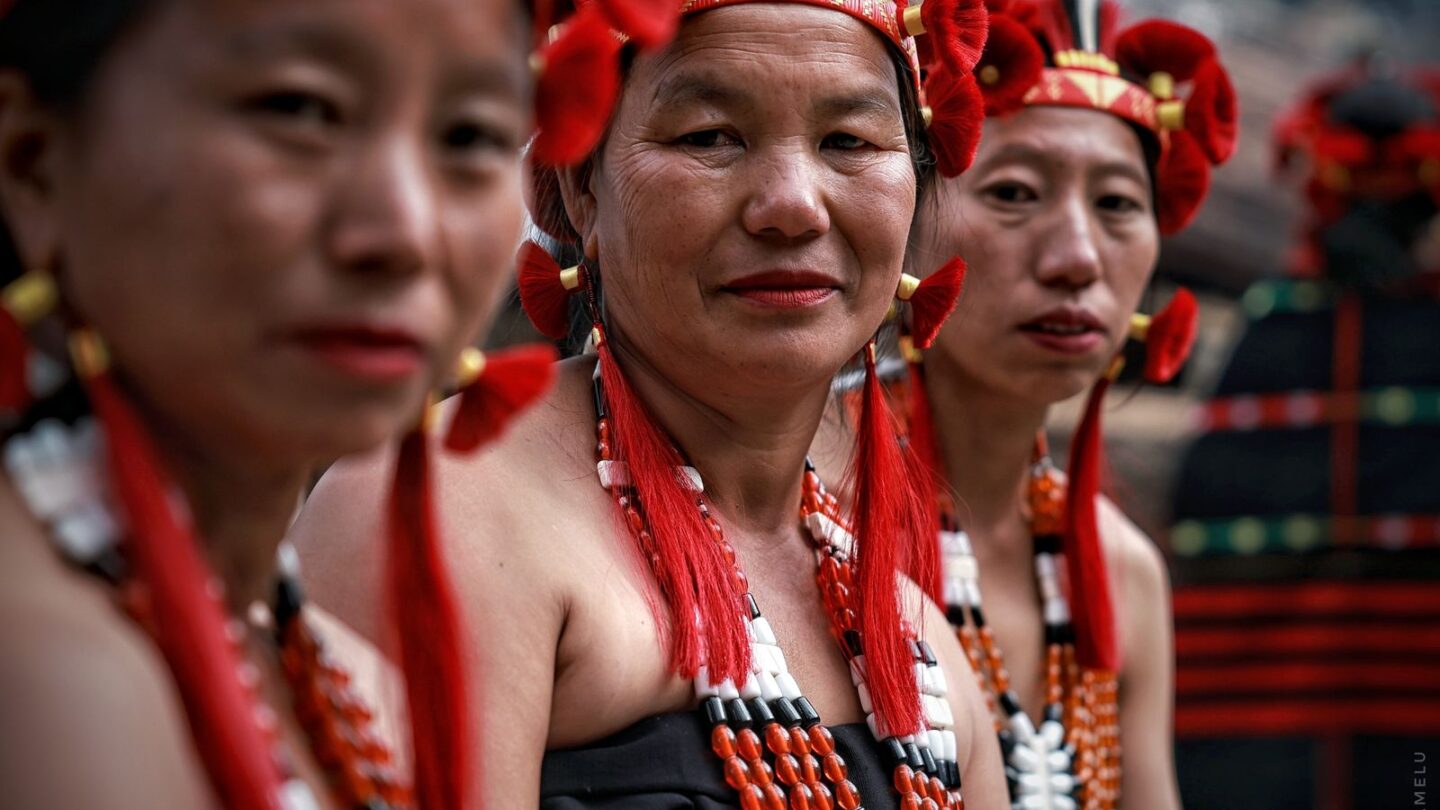
The Hornbill Festival is Nagaland’s biggest cultural celebration. It runs every year from 1 to 10 December at Kisama Heritage Village, about 12 km from Kohima. The 2026 edition will be the 27th, as the festival has been held every December since 2000. Over ten days, all the major Naga tribes gather to share their dances, songs, games, food and crafts.
For travellers, the Hornbill Festival is the easiest way to see the diversity of Nagaland in one place. However, it also means packed hotels and busy roads. This guide covers dates, tickets, permits, transport, stays and planning tips for 2026.
Key takeaways
- Hornbill Festival 2026 runs from 1 to 10 December at Kisama, near Kohima.
- Entry to the festival grounds costs a small fee, paid at the gate.
- Indian visitors need a Nagaland inner line permit (₹200, valid 30 days).
- The nearest airport and railway station are in Dimapur, about 70 km from Kohima.
- Book accommodation in Kohima or nearby villages several weeks in advance.
Hornbill Festival 2026 at a glance
| Detail | Information |
|---|---|
| Dates | 1–10 December 2026 |
| Edition | 27th |
| Venue | Kisama Heritage Village (Naga Heritage Village) |
| Distance from Kohima | About 12 km |
| Organisers | Nagaland Tourism and Art & Culture Departments |
| Entry | Small entry fee, paid at the venue |
| Permit | Nagaland ILP for Indian visitors |
| Nearest airport | Dimapur |
What is the Hornbill Festival?
The Nagaland government started the Hornbill Festival in 2000. Its aim was to bring the state’s many tribes together and to promote Naga culture. Today, it is often called the “Festival of Festivals”.
The festival takes its name from the hornbill, a bird that appears widely in Naga folklore. Its feathers traditionally feature in ceremonial headgear. Consequently, the bird became a natural symbol for an event that celebrates shared heritage.
Each tribe has its own morung, a traditional communal house, at the venue. Visitors can walk between them, meet craftspeople and watch performances throughout the day.
Hornbill Festival highlights: what to see
Cultural performances
The main arena hosts tribal dances, war cries, folk songs and ceremonial rituals. Performances usually run from late morning into the afternoon. Arrive early to find a good spot.
Indigenous games and sports
Traditional archery, Naga wrestling and other indigenous games draw big crowds. Additionally, there are fun events such as chilli-eating contests featuring the fiery bhut jolokia.
Food and crafts
Food stalls serve smoked pork, bamboo-shoot dishes, axone (fermented soybean) and local rice beer. Meanwhile, craft stalls sell shawls, wood carvings, beadwork and bamboo products. Carry cash, because network coverage for digital payments can be patchy.
Music and evening events
The festival period also brings music concerts and evening events in Kohima. These are popular with younger visitors. Schedules are announced closer to December, so check them after you arrive.
Second World War history
Kisama has a Second World War museum on its grounds. It recalls the 1944 Battle of Kohima, one of the turning points of the war in Asia. Near Kohima town, the Kohima War Cemetery is also worth a visit.
Hornbill Festival tickets and entry fee
Entry to the festival grounds requires a small ticket. Past editions charged a modest amount, typically under ₹100 for Indian visitors. You can buy it at the venue. Some evening concerts and special events may charge separately.
Because prices can change each year, treat these figures as a guide. Photography is generally allowed, although some performances and rituals may ask you not to use a flash.
Permits you need for the Hornbill Festival
Indian visitors need a Nagaland inner line permit. The domestic tourist ILP costs ₹200 and is valid for 30 days. You can apply online through the official Nagaland ILP portal. Each person must apply separately.
Foreign visitors do not need an ILP. However, Nagaland has been under the Protected Area Permit (PAP) regime since December 2024. For the 2025 festival, the Centre relaxed the PAP for foreign tourists from 1 to 10 December, except nationals of Afghanistan, China and Pakistan. Check whether a similar relaxation applies in 2026, and register with the local police after arrival. Read our full inner line permit guide for details on all four ILP states.
How to reach the Hornbill Festival
| Mode | Route | Time and tips |
|---|---|---|
| Air | Fly to Dimapur Airport, then drive to Kohima | Around 70 km; about 2.5–3 hours by road |
| Rail | Train to Dimapur Railway Station | Shared taxis and buses run to Kohima |
| Road | Bus or taxi from Guwahati | Long day’s drive via Dimapur |
| Local | Kohima to Kisama | About 12 km; shared taxis run during the festival |
Traffic on the Dimapur–Kohima road can be heavy in December. Therefore, start early and avoid arriving late at night.
Where to stay for the Hornbill Festival
Kohima has the widest choice of hotels and homestays. However, rooms sell out weeks before December. Villages close to Kisama, such as Kigwema and Jakhama, offer homestays within walking or short driving distance of the venue.
Some operators also set up tented camps for the festival period. These are comfortable but cold, so check what bedding and heating they provide.
Weather and what to pack
December in Kohima is cool by day and cold at night. Night temperatures can drop into single digits. Pack:
- Warm layers, a jacket and a woolly hat
- Comfortable walking shoes for the hilly venue
- Cash for food and crafts
- Printed copies of your ILP and ID
- A power bank for long days
Hornbill Festival planning tips
- Book early. Aim for October bookings for stays and flights.
- Plan two or three days. One day is rushed; three days lets you see more tribes and events.
- Visit mid-week. Opening and closing days draw the biggest crowds.
- Respect customs. Ask before photographing people up close.
- Combine your trip. Add Khonoma, the Dzukou Valley trek or Kohima’s war memorials.
If you are still deciding when to travel, our guide to the best time to visit Northeast India shows how December compares with other months. For more context on the region, see our explainer on the Seven Sisters of India.
Sample 3-day Hornbill Festival itinerary
| Day | Morning | Afternoon | Evening |
|---|---|---|---|
| Day 1 | Arrive Dimapur, drive to Kohima | Kohima War Cemetery | Rest and dinner in Kohima |
| Day 2 | Kisama: explore tribal morungs | Arena performances and games | Evening events in Kohima |
| Day 3 | Day trip to Khonoma village | Back to Kisama for food and crafts | Night market or concert |
If you have more time, add a fourth day for the Dzukou Valley trek or a visit to Touphema village.
Hornbill Festival budget guide
Costs rise sharply in December. The figures below are rough ranges for planning only.
| Expense | Budget range (per person) |
|---|---|
| Nagaland ILP | ₹200 |
| Festival entry | Small daily fee |
| Homestay in nearby villages | Moderate; higher than usual during the festival |
| Hotels in Kohima | Mid to high; book early |
| Local shared taxis | Low |
| Food at stalls | Low to moderate |
Booking early is the easiest way to control your Hornbill Festival budget. Last-minute rooms can cost much more.
Frequently asked questions
When is the Hornbill Festival 2026?
The Hornbill Festival 2026 runs from 1 to 10 December at Kisama Heritage Village near Kohima, Nagaland. It will be the festival’s 27th edition.
Where is the Hornbill Festival held?
It is held at Kisama Heritage Village, also called the Naga Heritage Village. The venue is about 12 km from Kohima on the highway to Imphal.
What is the Hornbill Festival entry fee?
Entry to the grounds costs a small fee, paid at the venue. Past editions charged under ₹100 for Indian visitors. Some evening events may charge separately.
Do I need an ILP for the Hornbill Festival?
Yes. Indian visitors need a Nagaland inner line permit, which costs ₹200 and lasts 30 days. Foreign visitors need a Protected Area Permit instead, although the Centre relaxed it for the festival days in 2025. Check the 2026 rules before booking.
Why is it called the Hornbill Festival?
The festival is named after the hornbill, a bird deeply linked to Naga folklore and traditional ceremonial dress. It symbolises the shared heritage of Nagaland’s tribes.
How many days should I spend at the Hornbill Festival?
Two to three days is ideal. This gives you time to explore the tribal morungs, watch performances, try the food and visit nearby villages.
What is the nearest airport to the Hornbill Festival?
Dimapur Airport is the nearest. From there, Kohima is about 70 km away, roughly 2.5–3 hours by road.
Make the most of Hornbill Festival 2026
The Hornbill Festival brings the whole of Nagaland to a single hillside for ten days. Secure your ILP, book your stay early and give yourself at least two full days at Kisama. That way, you will leave with far more than photographs.
Explore more celebrations in our Festivals & Culture section, or return to the Frontier News homepage for travel and permit guides.
Related guides
More in Festivals & Culture →
Festivals & Culture
Wangala Festival 2026: The 100 Drums Festival of the Garos
Festivals & Culture
Kati Bihu: Meaning, Rituals and 2026 Date in Assam
Festivals & Culture