Wangala Festival 2026: The 100 Drums Festival of the Garos
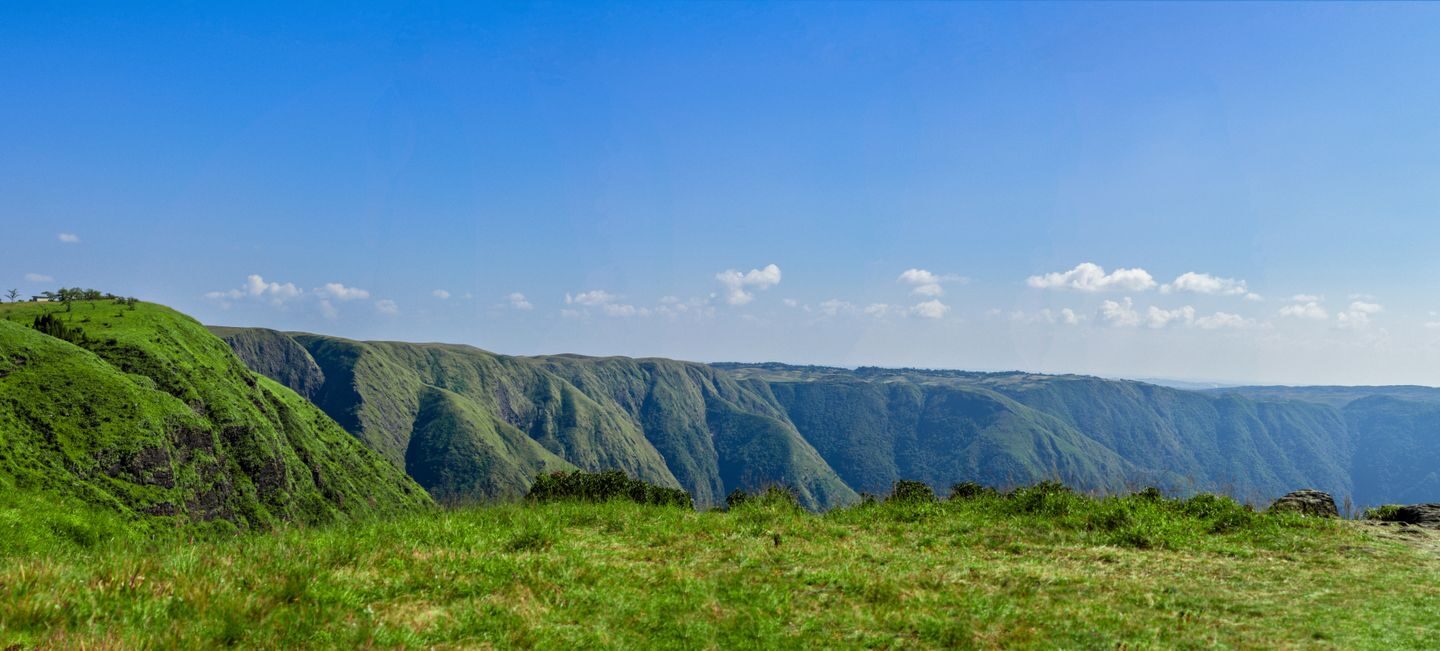
The Wangala festival is the post-harvest thanksgiving of the Garo (A·chik) people of Meghalaya, held to honour Misi Saljong, the sun god of fertility. Its best-known public form is the 100 Drums Wangala Festival near Tura in West Garo Hills, usually held in the first half of November. The 2026 event is the 50th edition, and organising committee reports put it on 12 to 14 November 2026 at the Wangala A·dam, Chibragre.
Garo villages have celebrated Wangala for generations after the jhum (shifting cultivation) harvest. The large staged festival began in 1976 at Asanang, about 18 km from Tura. Today it brings together dance troupes, rows of long dama drums, feathered headgear and competitions that draw visitors from across the Northeast.
Key takeaways
- The Wangala festival thanks Misi Saljong, the sun god, for the harvest.
- The first 100 Drums Wangala Festival took place at Asanang in December 1976.
- The 49th edition ran from 5 to 8 November 2025 at Chibragre near Tura.
- The 2026 Golden Jubilee edition is reported for 12 to 14 November 2026.
- Meghalaya needs no Inner Line Permit for Indian tourists.
Wangala festival at a glance
| Detail | Information |
|---|---|
| Community | Garo (A·chik) people |
| Deity honoured | Misi Saljong, the sun god |
| Type | Post-harvest thanksgiving festival |
| Main public event | 100 Drums Wangala Festival |
| Venue | Wangala A·dam, Chibragre, Asanang area, West Garo Hills |
| Distance from Tura | About 18 km |
| 2026 dates (reported) | 12 to 14 November 2026 |
| Edition in 2026 | 50th (Golden Jubilee) |
| Organiser | Hundred Drums Wangala Festival Committee, with state support |
| Entry permit | No ILP needed for Meghalaya |
What is the Wangala festival?
Wangala is the most important social festival of the Garos. The Department of Arts and Culture, Government of Meghalaya, describes it as the final function of the farming year. It marks the end of hard labour in the fields and offers thanks to the gods before the lean season.
Garos also know the festival as Drua Wanbola or Wanna Rongchua. Traditionally, villages hold it only after all jhum crops reach the granary. Consequently, each village fixes its own dates, and village-level Wangala can fall anywhere from about September to December.
The festival also has a social role. Moreover, it has long been a time for young people to meet, sing and choose life partners. Families visit each other, share rice beer and food, and settle into the cooler months.
The meaning of Wangala and Misi Saljong
In Garo belief, Misi Saljong (also called Misi A·pipa Saljong Gatapa) taught people how to cultivate the land. He is associated with the sun and with fertility. Therefore, the Wangala festival is both a thank-you and a respectful farewell to the deities after the harvest.
Garo oral tradition also mentions Meenma Drongma, an underground deity. According to the state culture department, this spirit showed people how to perform Wangala correctly. The festival therefore links farming, faith and memory.
Many Garos today are Christian, while the older Songsarek faith keeps the full ritual cycle alive in some villages. As a result, the public 100 Drums event works mainly as a cultural celebration. Meanwhile, traditional rites continue at the village level.
Wangala festival rituals step by step
The village celebration follows a clear sequence. The exact order and length vary between villages, but the core rites stay similar.
| Ritual | What happens | Meaning |
|---|---|---|
| Rugala | Rice beer is poured as an offering to Saljong | Thanks for the harvest |
| Cha·chat So·a | Incense is burnt in the Nokma’s house | Smoke stands for clouds; scattered rice for rain |
| Dama Gogata | Drumming and dancing with flutes and horns | The main public celebration |
| Grika | Warrior dance led by the Nokma | Strength and community pride |
| Rusrota | Closing rite for the granary | Safe keeping of the stored crop |
Rugala: the pouring of rice beer
Rugala usually opens the festival. The Nokma, or village headman, pours rice beer from a special vessel as an offering. Rice paste marks the house posts as a sign of blessing. This rite is solemn and takes place inside the home.
Cha·chat So·a: burning incense
Cha·chat So·a follows, often on the same day. The Nokma burns incense in the house where the sacred drum hangs. Additionally, rice grains are scattered to signify rain. The rising smoke represents the clouds that will bring next year’s harvest.
Dama Gogata: drums and dance
The later days belong to music. Drummers play the long dama drums without pause, while gongs, flutes and buffalo-horn trumpets join in. Furthermore, dancers perform dozens of styles that imitate birds, animals and daily work. The state culture department mentions about fifty dance styles.
The 100 Drums Wangala Festival near Tura
The staged festival began on 6 and 7 December 1976 at Asanang, under Chief Minister Captain Williamson A. Sangma. Its aim was to bring village troupes together and keep the art form alive. Tosekgre village won that first competition.
Since then, the 100 Drums Wangala Festival has become an annual fixture in West Garo Hills. Village contingents compete in drumming and dancing before judges. In addition, the programme now includes folk songs, indigenous games, food contests and evening music.
| Year | Edition | Dates | Venue |
|---|---|---|---|
| 1976 | 1st | 6 to 7 December | Asanang |
| 2025 | 49th | 5 to 8 November | Wangala A·dam, Chibragre |
| 2026 | 50th (Golden Jubilee) | 12 to 14 November (reported) | Wangala A·dam, Chibragre |
In 2025, ten village contingents took part. Chidaogre won first place, Gondenggre came second and Sadolbra third. Tosekgre also returned after a gap of about 28 years, which drew wide local attention.
Wangala festival 2026: the Golden Jubilee edition
The 2026 Wangala festival marks 50 years of the 100 Drums event. After the 2025 finale, Chief Minister Conrad K. Sangma spoke of an expanded “1000 Drums Wangala” for the jubilee. Later, in May 2026, he said the state would work with the organising committee on the 50-year celebrations.
A Shillong Times report from June 2026 placed the festival at Wangala A·dam, Chibragre, from 12 to 14 November 2026. Tourism Minister Timothy D. Shira also met the committee to discuss support.
Dates and the final programme can change. Check Meghalaya Tourism, the West Garo Hills district administration or local news before you book travel.
Because this is a milestone year, expect bigger crowds than usual. Therefore, book rooms in Tura as early as possible.
Drums, dress and dance at the Wangala festival
The look and sound of the Wangala festival are unforgettable. Each element has a name and a role.
| Element | Garo name | Description |
|---|---|---|
| Long drum | Dama | Long, tapering drum played in rows by male drummers |
| Sacred drum | Kram | Ritual drum kept in the Nokma’s house |
| Gong | Rang | Brass gong that keeps the rhythm |
| Horn and flute | Various local names | Buffalo-horn trumpets and bamboo flutes that join the drums |
| Headgear | Do·me | Feathered head-dress worn by dancers |
| Dress | Dakmanda, Daksari, Gando | Woven traditional garments |
How the dance works
Dancers usually form two long lines. Men beat the dama drums while women move in step beside them. The lines advance and turn slowly, led by a senior drummer. Similarly, songs such as Ajia and Dani Doka carry stories, jokes and teasing verses between groups.
What judges look for
In the competition, troupes earn marks for rhythm, formation, costume and traditional correctness. Consequently, villages rehearse for weeks. Visitors see the best troupes on the final day.
How to reach the Wangala festival venue
Tura is the base for the Wangala festival. Chibragre and Asanang lie roughly 18 km away, a short drive on the Tura side of West Garo Hills.
| From | Approx. distance to Tura | Typical travel time | Main options |
|---|---|---|---|
| Guwahati | About 220 km | 6 to 7 hours | Shared Sumo, overnight bus, private taxi |
| Shillong | About 300 to 320 km | 9 to 10 hours | Bus or taxi, often via Guwahati |
| Mendipathar railway station | About 90 km | 2 to 3 hours | Taxi |
| Tura town | About 18 km to venue | 30 to 40 minutes | Taxi or shared vehicle |
By air
The nearest airport with regular flights is Guwahati (LGBI). Baljek Airport lies about 33 km from Tura. However, it has no scheduled commercial flights, so plan on Guwahati.
By road
Most visitors take a shared Sumo or overnight bus from Guwahati to Tura. Road times vary with traffic and weather. Our Guwahati to Shillong distance guide helps if you also plan to visit the Khasi Hills.
Permits and registration for Meghalaya
Meghalaya does not use the Inner Line Permit system. Therefore, Indian tourists can travel to Tura without a permit. Our inner line permit guide explains which Northeast states do need one.
However, Meghalaya tightened visitor checks in 2025. Hotels and homestays must now register guest details through the state tourism system. As a result, carry a valid photo ID and share it at check-in. Foreign nationals should follow the usual registration rules and confirm them in advance.
Where to stay and budget tips
Tura has the widest choice of rooms in the Garo Hills. Options include the Meghalaya Tourism-run Hotel Rikman Continental and several private hotels and guesthouses. In contrast, the villages near the venue have few rooms.
- Book early, because the jubilee year will fill Tura’s hotels fast.
- Carry cash, since ATMs and card machines can be unreliable at the venue.
- Arrange transport to Chibragre in advance for the final day.
- Start early, because the best seats near the ground fill up by mid-morning.
Room rates change every season. Therefore, confirm prices directly with the property rather than relying on older listings.
Places to visit around the Wangala festival
A trip for the Wangala festival pairs well with the Garo Hills’ quieter attractions. Most can be done as day trips from Tura.
- Tura Peak: a hill above the town with a trek and wide valley views.
- Nokrek National Park: a biosphere reserve known for wild citrus and the highest peak in the Garo Hills.
- Siju Cave: one of the longest limestone caves in India, in South Garo Hills.
- Balpakram National Park: a remote plateau and canyon linked to Garo legend.
- Garo Heritage Village, Asanang: traditional houses close to the festival ground.
If you have more time, head east to the Khasi Hills. Sohra is famous for waterfalls and caves; see our Cherrapunji travel guide.
Wangala festival etiquette for visitors
Wangala is a living tradition, not just a show. Visitors should follow a few simple rules.
- Ask before photographing people up close, especially elders.
- Do not step into the performance lines during competition.
- Avoid touching ritual drums or offerings.
- Dress modestly and respect local customs at village rites.
- Buy handloom and food from local stalls to support families.
November is also a good month for wider Northeast travel. Plan the season with our best time to visit Northeast India guide. Moreover, you can combine the trip with the Hornbill Festival in Nagaland in early December.
Wangala festival compared with other harvest festivals
The Northeast has several harvest festivals. Each belongs to a different community and season.
| Festival | Community and state | Usual timing | Main feature |
|---|---|---|---|
| Wangala | Garo, Meghalaya | October to November | 100 Drums, dama drums |
| Kati Bihu | Assamese, Assam | Mid-October | Lamps in paddy fields |
| Hornbill Festival | Naga tribes, Nagaland | 1 to 10 December | Multi-tribe showcase at Kisama |
| Nongkrem | Khasi, Meghalaya | Usually autumn | Dance at Smit near Shillong |
For the quieter Assamese rite, read our guide to Kati Bihu.
Frequently asked questions
When is the Wangala festival celebrated in 2026?
The 100 Drums Wangala Festival for 2026 is reported for 12 to 14 November 2026 at Wangala A·dam, Chibragre, near Tura. It is the 50th Golden Jubilee edition. Village celebrations happen on their own dates after the harvest. Always confirm the final schedule with Meghalaya Tourism or the district administration before you travel.
Which god is worshipped during Wangala?
Garos honour Misi Saljong, the sun god of fertility, during Wangala. In Garo belief, Saljong taught people how to cultivate the land. The rituals thank him for the harvest and bid the deities a respectful farewell. The Nokma, or village headman, leads the key rites such as Rugala and Cha·chat So·a.
Why is it called the 100 Drums festival?
The public event features about one hundred dama drums played together by village troupes. The staged festival began in 1976 at Asanang to bring these troupes onto one ground. The name stuck, and it now describes the annual competition near Tura. In fact, the drumming is the event’s most striking sound.
Where is the 100 Drums Wangala held?
The recent editions have taken place at the Wangala A·dam in Chibragre, in the Asanang area of West Garo Hills. The venue lies about 18 km from Tura. Visitors usually stay in Tura and travel to the ground by taxi or shared vehicle. The Garo Heritage Village stands in the same area.
Do I need a permit to attend the Wangala festival?
Indian tourists do not need an Inner Line Permit for Meghalaya, so no special permit is required for the festival. However, hotels and homestays must register guest details with the state. Therefore, carry a valid photo ID and present it at check-in. Foreign nationals should confirm the latest registration rules before travelling.
How far is Tura from Guwahati?
Tura lies about 220 km by road from Guwahati. The journey usually takes six to seven hours, depending on traffic and road work. Shared Sumos run during the day, and overnight buses also operate. Guwahati’s LGBI airport is the nearest airport with regular flights, since Baljek Airport near Tura has no scheduled service.
What should I wear to the Wangala festival?
Wear comfortable shoes and light layers, as November days are mild and evenings turn cool. Carry a light jacket, a hat and sunscreen for the open ground. Dress modestly out of respect for the community. Additionally, a small bag with water, cash and a power bank makes the long festival day easier.
Plan your trip to the Wangala festival
The Wangala festival offers a rare look at Garo faith, farming and music. The 2026 Golden Jubilee makes this year especially important. Confirm the dates, book Tura early and give yourself a spare day for Nokrek or Siju. To place Meghalaya in context, read about the Seven Sisters of India.
Explore more celebrations in Festivals & Culture or return to the Frontier News homepage.
Related guides
More in Festivals & Culture →
Festivals & Culture
Kati Bihu: Meaning, Rituals and 2026 Date in Assam
Festivals & Culture
Kisama Heritage Village: Complete Guide to the Hornbill Festival Venue
Festivals & Culture