Pasighat Travel Guide: Siang River, Sights and Stays in 2026
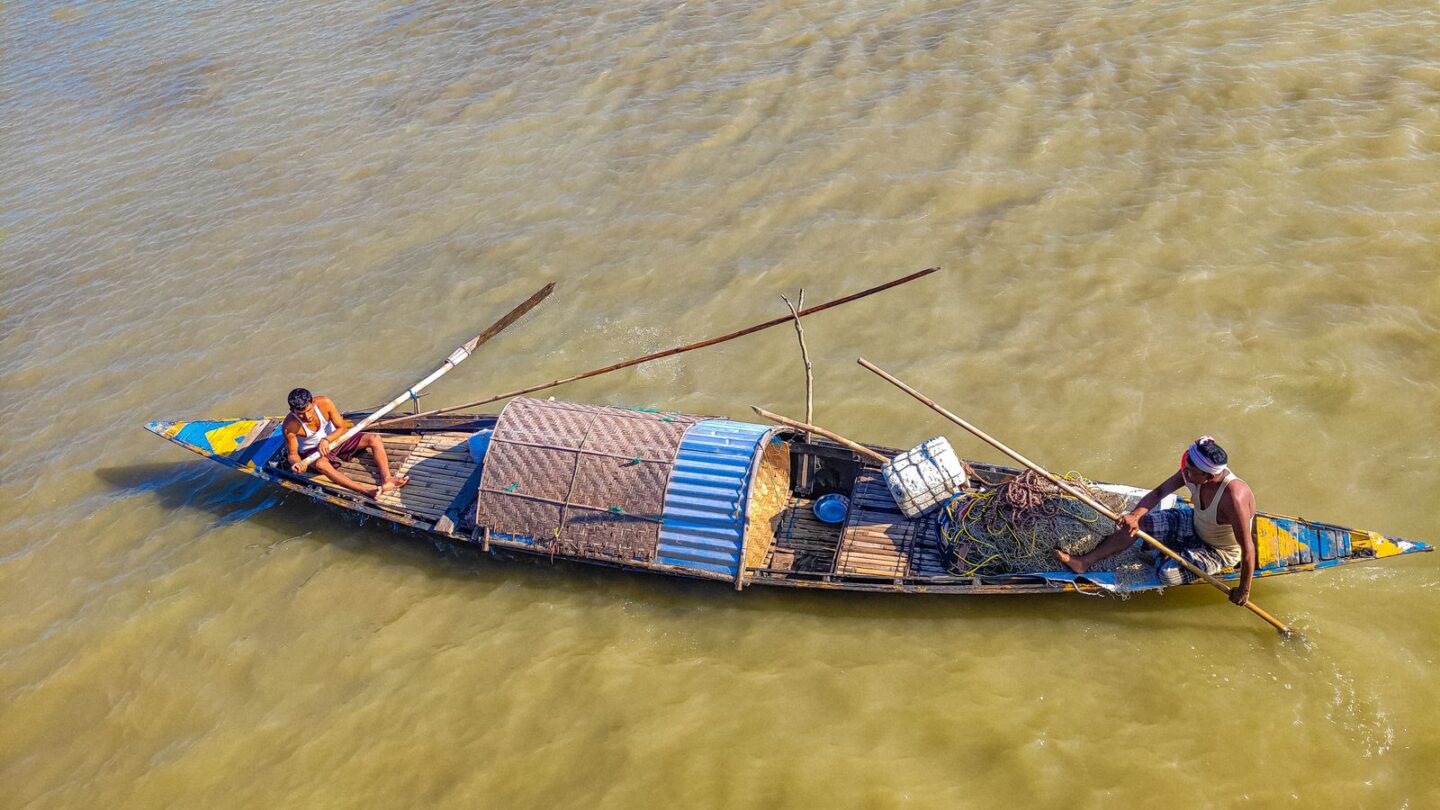
Pasighat is the headquarters of East Siang district and Arunachal Pradesh’s oldest town, founded by the British in 1911 where the Siang river leaves the hills for the Assam plains. The town sits at about 150 m above sea level and lies roughly 150 km by road from Dibrugarh via the Bogibeel bridge. Indian tourists need an Arunachal e-ILP, priced at ₹300 for up to 3 days or ₹500 for up to 14 days.
Pasighat is mainly Adi country, and it works as a gentle first stop for travellers heading deeper into the Siang valley or towards Mechuka and Upper Siang. It also offers river views, birdwatching and one of the state’s best-known harvest festivals. This guide covers routes, sights, permits, the best season, stays and a short itinerary.
Key takeaways
- Pasighat was founded in 1911 and is widely described as the oldest town in Arunachal Pradesh.
- Dibrugarh is the practical gateway, about 150 km away, and the drive takes roughly 4 to 4.5 hours.
- Indian visitors need an Arunachal ILP; the tourist e-ILP costs ₹300 for 3 days or ₹500 for 14 days.
- Daying Ering Wildlife Sanctuary covers about 190 sq km and lies roughly 13 km from town.
- October to May is the most comfortable season, while the Adi Solung festival begins on 1 September.
Pasighat at a glance
| Detail | Information |
|---|---|
| District | East Siang, Arunachal Pradesh |
| Founded | 1911 |
| Altitude | About 152 to 155 m |
| Population | 24,656 (2011 census, town) |
| Main community | Adi |
| River | Siang, the upper Brahmaputra, at the foothills |
| Nearest big airport | Dibrugarh, roughly 150 to 170 km away |
| Local airport | Pasighat Airport (IXT), about 3 km from town, limited flights |
| Permit | Arunachal ILP for Indians; PAP for foreigners |
| Best season | October to May |
History of Pasighat
Pasighat began as a British administrative outpost in 1911, after tension with Adi communities along the Siang. Consequently, the town grew as the oldest administrative centre of the former North-East Frontier Agency. Our explainer on the NEFA full form describes that frontier administration and its old divisions.
The Adi tribe, historically called Abor in colonial records, live around the town. Moreover, the Siang river shaped their farming and trade. Jawaharlal Nehru College, established in 1964, was the first college in Arunachal, so Pasighat also became an early education hub.
In 2017 the town joined the Smart Cities Mission, according to state tourism material. Meanwhile, it has kept its slow, green character, with bamboo, tea-stall lanes and open river views.
How to reach Pasighat
Most travellers fly into Dibrugarh in Assam and continue by road. This route uses the Bogibeel bridge over the Brahmaputra, a combined rail and road bridge. Therefore, it works year-round, unlike older ferry links that depend on the river.
| From | Approx. distance | Approx. time |
|---|---|---|
| Dibrugarh | About 150 km | About 4 to 4.5 hours |
| Itanagar | About 270 km | 8 to 10 hours, depending on road works |
| Murkongselek railway station | About 35 km | About 40 minutes |
| Guwahati | Long day; usually split with a night at Dibrugarh or Jorhat | Confirm with your driver |
Pasighat Airport has a runway of about 2,060 m and has hosted flights under the UDAN scheme since May 2018. However, schedules change and services to Guwahati and Itanagar run only on selected days, so check the airline before you plan around them.
For road travel, shared Sumos and taxis leave from Dibrugarh and the Assam border towns. Additionally, Arunachal buses connect Pasighat with Itanagar and Along. Our Guwahati to Tawang distance guide shows how the western route compares.
Pasighat ILP and permits in 2026
Indian citizens from outside Arunachal need an Inner Line Permit to enter the state, and the tourist e-ILP is issued online. The fee for domestic tourists is ₹300 for up to 3 days and ₹500 for up to 14 days. Carry a printed or digital copy and a photo ID. Our Arunachal ILP guide explains the portal steps and documents.
| Traveller | Permit | Key point |
|---|---|---|
| Indian tourist | e-ILP | ₹300 for 3 days or ₹500 for 14 days |
| Foreign tourist | Protected Area Permit (PAP) | Apply through a registered operator; confirm current rules |
| Arunachal resident | Not needed | Carry valid ID |
Permit checks can add 15 to 30 minutes at the state border. Therefore, apply for the ILP before you leave Dibrugarh. For a wider overview of permits in the region, read our inner line permit guide.
Things to see in Pasighat
The town itself is small, but the river, bird habitats and Adi culture reward two or three days. The sights below suit different interests.
| Place | What it offers | Approx. distance from Pasighat |
|---|---|---|
| Siang river banks | Sunset views, riverside walks | In town |
| Daying Ering Wildlife Sanctuary | Wetlands, grassland and migratory birds | About 13 km |
| Bodak scenic area | Viewpoint and picnic spot | About 15 km |
| Pangin | River meeting point and sunrise views | About 60 km |
| Kekar Monying | Cliff linked to Adi resistance history | Near the town |
| Sirki waterfall | Small waterfall on the Upper Siang road | Confirm locally |
The Siang river
The Siang is the main draw. It enters the plains at Pasighat and later becomes the Brahmaputra in Assam. As a result, the town is a good place to watch the river change from a fast mountain stream into a broad plain river.
Daying Ering Wildlife Sanctuary
The sanctuary was established in 1978 and covers about 190 sq km of grassland and riverine forest. It attracts migratory birds in winter, and it lies on a river island system, so access often depends on the water level. Consequently, hire a local guide and ask the forest office about boats and entry rules before you go.
Kekar Monying
Local accounts describe this cliff as a site of Adi resistance against colonial forces. It gives a useful history stop, although visitors should ask locals for the story, because printed accounts differ.
The Solung festival and Adi culture
Solung is the Adi harvest festival, and it marks the end of the sowing and weeding season. Villages celebrate it in different weeks in August and September, but the main celebration usually begins on 1 September. The town hosts a large public celebration. Solung 2026 fell in early September, so travellers should plan for September 2027 rather than this winter.
The festival features the Ponung dance, performed by women in a circle. In addition, priests known as miris recite the origin stories of the Adi. Anyone attending should ask before photographing rituals and should respect village rules.
In contrast to Nagaland’s Hornbill Festival, Solung has a local, community feel. Our Hornbill Festival guide offers a useful comparison for December travellers.
Rafting and adventure near Pasighat
Rafting on the Siang is the town’s best-known adventure activity. Operators run trips on stretches of the Siang and, from time to time, longer expeditions down to the plains. However, Arunachal Tourism gives no fixed season, grade or operator list, so confirm details with a registered operator. Water levels fall in the cold season, and floods make the monsoon unsafe.
- Use only registered operators with life jackets, helmets and trained guides.
- Ask for the river grade and the length of the run before you pay.
- Avoid rafting after heavy rain, because the Siang rises quickly.
- Carry a change of clothes and a waterproof bag.
Note that the Siang Upper Multipurpose Project, a proposed 11,000 MW dam, remains at the pre-feasibility stage, and Adi communities protested survey work in September 2026. Consequently, the river remains a sensitive topic, so treat local views with respect.
Best time to visit Pasighat
The best time to visit Pasighat is October to May, when rain is low and temperatures are mild. The climate is humid subtropical, and the monsoon from June to September brings very heavy rain, with a peak monthly average of about 796 mm.
| Season | Months | What to expect |
|---|---|---|
| Autumn and winter | October to February | Dry and pleasant; best for birds and river views |
| Spring | March to May | Warmer, but still comfortable |
| Monsoon | June to September | Heavy rain, landslides, road delays |
| Festival window | Early September | Solung celebrations, but wet weather |
For a state-by-state comparison, see our best time to visit Northeast India guide.
Where to stay in Pasighat
The town offers government guest houses, small hotels and Adi homestays. Rooms are modest, and prices are usually lower than in Gangtok or Shillong. Nevertheless, festival weeks fill quickly.
- Town hotels: convenient for restaurants, taxis and the bus stand.
- Government guest houses: basic but reliable; book through the district office.
- Homestays: a good way to try Adi food and learn about local life.
Carry cash, because card payments and ATMs can fail in small towns. Additionally, book a driver for day trips, since public transport to the sanctuary is limited.
Where to go from Pasighat
The town is a stepping stone. Therefore, many travellers continue north along the Siang river or west into the interior.
- Upper Siang: the road via Jengging to Yingkiong is about 180 km, with Mouling National Park further on, so allow several days.
- Mechuka: a state-run helicopter service links Naharlagun, Pasighat, Aalo and Mechuka on selected days, weather permitting. Read our Mechuka guide for details.
- Assam: many visitors pair the town with Kaziranga, as our Kaziranga National Park guide explains.
Three-day Pasighat itinerary
| Day | Plan |
|---|---|
| Day 1 | Drive from Dibrugarh over the Bogibeel bridge; evening on the Siang banks |
| Day 2 | Morning at Daying Ering; afternoon at Bodak; local Adi meal |
| Day 3 | Kekar Monying and Sirki waterfall, then depart or continue north |
Food and local culture
Adi food relies on rice, bamboo shoots, leafy greens, fish from the river and smoked or boiled meat. Furthermore, apong, a traditional rice beer, appears at festivals and family gatherings, and hosts may offer it as a welcome. Ask before you drink it or photograph the brewing. Meanwhile, most town restaurants also serve Assamese thali meals, momos and simple vegetarian dishes.
Visitors who want to learn more can ask their homestay host to arrange a village visit. Similarly, local guides can explain the Donyi-Polo faith, in which the Sun and the Moon are honoured as central deities.
Practical tips for a smooth trip
- Start early from Dibrugarh: the road involves a bridge crossing, a permit check and hill sections, so leave by 7 am.
- Keep ILP copies handy: checkpoints may ask for them more than once.
- Refuel and withdraw cash in Dibrugarh: fuel and ATM choices are thinner further along the route.
- Check the weather: heavy rain can close hill roads for hours.
- Pack layers: evenings turn cool from November to February.
Common mistakes to avoid in Pasighat
- Arriving without an ILP: apply before you travel.
- Travelling in the monsoon: landslides and river floods disrupt plans.
- Relying on flights: Pasighat Airport has limited services.
- Skipping cash: small shops often prefer it.
- Rafting without checks: verify the operator and river level.
Furthermore, ask permission before photographing people, homes or rituals.
Frequently asked questions
Where is Pasighat located?
Pasighat is the headquarters of East Siang district in Arunachal Pradesh, on the banks of the Siang river at the edge of the Assam plains. It lies about 150 km by road from Dibrugarh and roughly 270 km from Itanagar. The Adi community forms the main population.
Why is Pasighat called the oldest town of Arunachal?
The British founded Pasighat in 1911 as an administrative outpost, and it became the oldest administrative centre of the former North-East Frontier Agency. That is why state tourism material calls it the oldest town in Arunachal Pradesh. It also hosted the state’s first college, opened in 1964.
Do I need a permit for Pasighat?
Yes. Indian citizens from outside Arunachal need an Inner Line Permit, and the tourist e-ILP costs ₹300 for up to 3 days or ₹500 for up to 14 days. Foreign nationals need a Protected Area Permit through a registered operator. Confirm current rules on the official portal before travelling.
How far is Pasighat from Dibrugarh?
Pasighat is roughly 150 km from Dibrugarh by road, and the drive takes about 4 to 4.5 hours via the Bogibeel bridge. Some map sites quote different figures, depending on the route and the starting point. Therefore, confirm the distance with your taxi driver, especially in monsoon.
What is the best time to visit Pasighat?
October to May is the most comfortable period, with dry weather and clear river views. The monsoon from June to September brings heavy rain and landslide risk. However, September is popular with culture lovers, because the Adi Solung festival starts on 1 September.
Are there flights to Pasighat?
Pasighat Airport, about 3 km from town, has hosted UDAN flights since May 2018, mainly Alliance Air services to Guwahati and Itanagar on selected days. Schedules change often, so check with the airline. Most visitors fly into Dibrugarh, which has better connections, and drive.
What is Daying Ering Wildlife Sanctuary known for?
Daying Ering Wildlife Sanctuary covers about 190 sq km near Pasighat and was established in 1978. It has grassland, wetlands and riverine forest, and it attracts migratory birds in winter. Access can depend on river conditions, so ask the forest office about entry and boat arrangements.
Is Pasighat safe for tourists?
Pasighat is generally regarded as calm and welcoming. Standard precautions apply: carry your ILP and ID, avoid travelling at night on hill roads, and respect local customs. Landslides are the main risk in the monsoon. Check the weather and road conditions before setting out.
Plan your Pasighat trip
This town suits travellers who want river scenery, birdlife and Adi culture without the crowds of better-known hill stations. Apply for the ILP early, travel between October and May, and confirm flights and rafting details locally.
Explore more trips in Northeast Travel or return to the Frontier News homepage.
Related guides
More in Northeast Travel →
Northeast Travel
Dzukou Valley Trek: Routes, Permits and Best Time for 2026
Northeast Travel
Kaziranga National Park: Complete Visitor Guide for 2026
Northeast Travel