Kati Bihu: Meaning, Rituals and 2026 Date in Assam
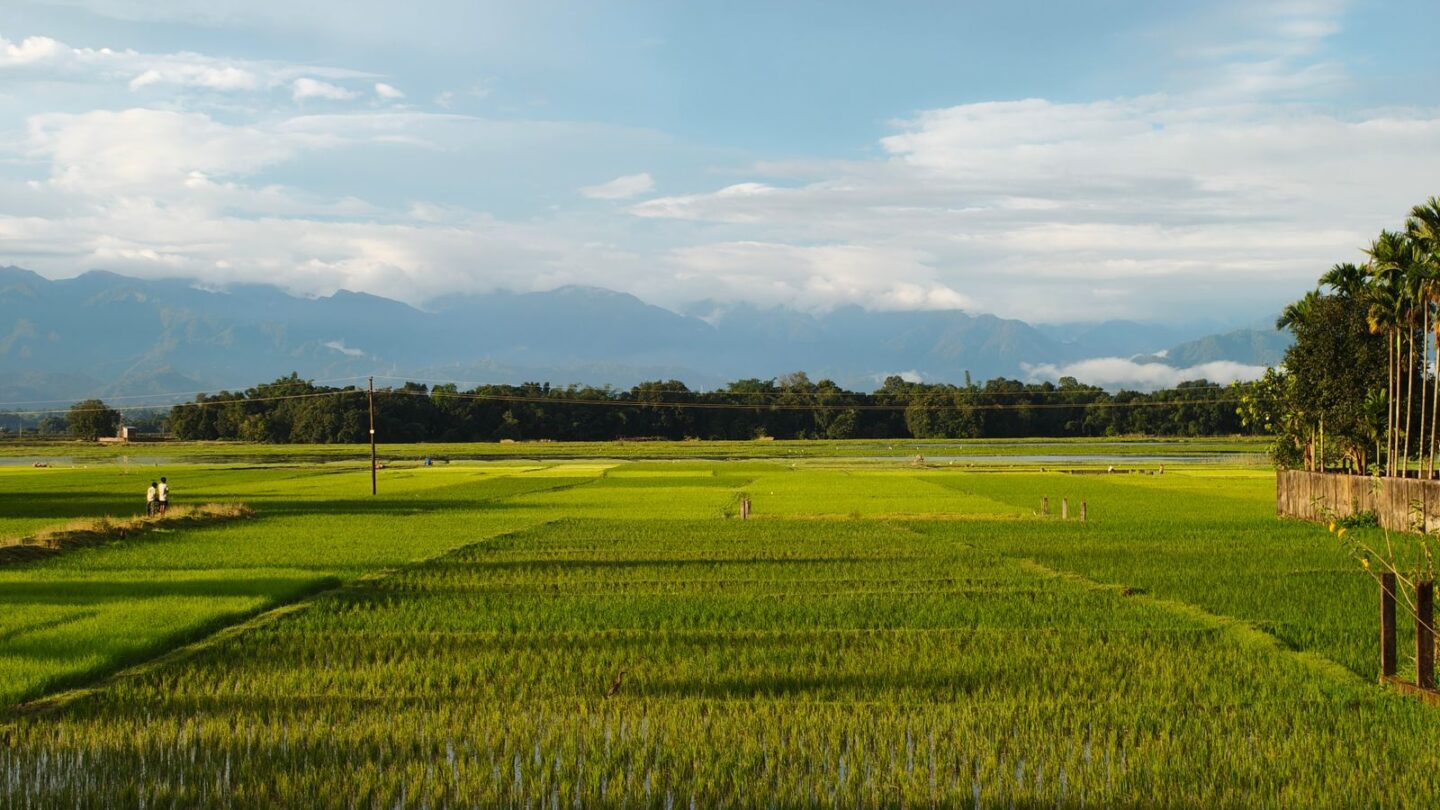
Kati Bihu is Assam’s quiet autumn festival, and in 2026 it falls on Sunday, 18 October, according to the Assam government’s official holiday list. People also call it Kongali Bihu, the “Bihu of scarcity”, because granaries run low while the paddy is still green in the fields. Families light earthen lamps at the tulsi plant, in granaries and across the paddy fields to pray for a good harvest.
It is the second of Assam’s three Bihus, placed between the joyful spring Bihu and the harvest feast of January. However, it has no dance troupes, no big feasts and no week-long fairs. Instead, it centres on lamps, prayer and hope. This guide explains the meaning, the rituals, the 2026 date and how visitors can respectfully experience the day.
Key takeaways
- Kati Bihu 2026 falls on Sunday, 18 October, a gazetted holiday in Assam.
- It marks the start of the Assamese month of Kati, around mid-October.
- Kongali means “poor” or “lean”, reflecting nearly empty granaries.
- Families light saki (earthen lamps) at the tulsi plant and akash banti (sky lamps) on bamboo poles in the fields.
- In 2026 the festival sits right beside Durga Puja, which Assam marks from 19 to 21 October.
Kati Bihu at a glance
| Detail | Information |
|---|---|
| Other names | Kongali Bihu, Kangali Bihu |
| State | Assam |
| 2026 date | Sunday, 18 October 2026 |
| Timing in the calendar | Sankranti between the Assamese months of Ahin and Kati |
| Duration | One day, though some families keep lamps lit through Kati |
| Mood | Solemn, simple and prayerful |
| Main rituals | Saki lamps at the tulsi, akash banti in fields, prayers for crops |
| Farming stage | Sali paddy growing but not yet ripe |
| Public holiday | Yes, gazetted in the Assam government list for 2026 |
What is Kati Bihu?
Kati Bihu is one of the three seasonal Bihu festivals of Assam. Each Bihu matches a turning point in the rice-growing year. Kati Bihu arrives in autumn, when transplanted paddy stands green in the fields but grain has not yet formed fully.
At this time, the previous year’s rice stores often run short. As a result, farming families traditionally faced a lean month before the harvest. The festival therefore turns towards prayer rather than celebration. People ask for protection for the young crop, the household and the cattle.
The day also has a devotional side. The Sentinel, an Assam daily, links it with the Kartika sankranti, when the sun enters Libra. Many homes pray to Goddess Lakshmi for prosperity. Moreover, the tulsi (holy basil) plant becomes the focus of evening worship.
Why is it called Kongali Bihu?
The word kongali (also spelt kangali) means poor or needy in Assamese. The name describes the season, not the people. Before modern storage and markets, October was often the hungriest stretch of the farming calendar.
Consequently, the festival carries none of the feasting that marks the other two Bihus. Families prepare only simple food, sometimes a few pithas (rice cakes). The Ministry of Tourism’s festival portal notes that stored rice has usually run out by this point in the year. The Kongali label therefore reminds people of patience and thrift.
Kati Bihu 2026 date and calendar
The Assam General Administration Department lists Kati Bihu on Sunday, 18 October 2026. The same entry groups it with Durga Puja. Furthermore, the next day, Monday 19 October, appears as Durga Puja and Vijaya Dashami. The table below shows recent and upcoming dates.
| Year | Kati Bihu date | Day | Source type |
|---|---|---|---|
| 2024 | 17 October | Thursday | Holiday calendars |
| 2025 | 18 October | Saturday | Holiday calendars |
| 2026 | 18 October | Sunday | Assam government holiday list |
The date follows the solar Assamese calendar, not the lunar one. Therefore, it stays close to 17 or 18 October every year. Durga Puja, in contrast, follows the lunar calendar and shifts from year to year. In 2026 the two fall back to back, so expect a festive week across Assam.
Because 18 October 2026 is a Sunday, offices will already be closed. Nevertheless, check local notices if you plan business or bank visits around the Puja holidays.
The three Bihus of Assam compared
Assam celebrates three Bihus, one for each key stage of the rice cycle. The table sets them side by side.
| Feature | Bohag (Rongali) Bihu | Kati (Kongali) Bihu | Magh (Bhogali) Bihu |
|---|---|---|---|
| Season | Spring, mid-April | Autumn, mid-October | Winter, mid-January |
| 2026 dates (Assam list) | 14 to 16 April | 18 October | 14 to 15 January |
| Farming stage | Before sowing | Crop growing, stores low | Harvest complete |
| Mood | Joyful, New Year | Solemn, prayerful | Feasting, community |
| Key features | Bihu dance, husori, gamosa gifts | Saki lamps, akash banti, tulsi worship | Meji bonfire, uruka feast, pithas |
| Length | About a week of events | One day | Usually two days |
Rongali means joy, and Bhogali comes from bhog, meaning feasting or enjoyment. Kongali, however, reflects need. Together, the three names trace the arc of the farming year from hope to harvest. For an overview of the state and its neighbours, see our guide to the Seven Sisters of India.
Kati Bihu rituals step by step
The rituals take place mainly at dusk. Practices vary between villages, communities and families. Still, most homes follow a similar pattern.
- Prepare the tulsi. Families clean the courtyard and set the tulsi plant on a raised earthen platform, often called a tulsi bheti.
- Light the saki. At dusk, someone lights a saki, a small earthen lamp with mustard oil and a cotton wick, at the foot of the tulsi.
- Offer prayers. The household offers flowers and prayers for family well-being and a good harvest. Many also invoke Goddess Lakshmi.
- Light lamps around the home. Additional lamps go to the granary, the cowshed, the garden and the gate.
- Go to the fields. Farmers carry lamps to their paddy fields and place them along the bunds.
- Raise the akash banti. In many areas, families hoist a lamp high on a bamboo pole in or near the field.
- Share simple food. The evening ends with a modest meal, sometimes with pithas or light snacks.
Some families keep the tulsi lamp burning every evening through the month of Kati. Meanwhile, namghars (community prayer halls) in some villages hold naam-kirtan and devotional singing.
The tulsi and the saki
The tulsi sits at the spiritual heart of Kati Bihu. The Sentinel describes it as an earthly form of Goddess Lakshmi. Therefore, the first lamp of the evening always goes to the plant. Families often wrap its base in cloth or decorate the platform with clay.
The akash banti
Akash banti means “sky lamp”. A small oil lamp sits at the top of a tall bamboo pole in the paddy field. According to the Ministry of Tourism, people believe it guides ancestral souls. Additionally, the flame draws night-flying insects away from the young rice. The ritual thus blends faith with practical pest control.
Meaning and symbolism of Kati Bihu
Kati Bihu carries several layers of meaning. First, it expresses gratitude and hope during scarcity. The lamps symbolise light in a dark and lean season.
Second, it protects the crop. Prayers, lamps and chants at the field edge ask for a healthy harvest of sali paddy. Similarly, the attention to cattle and granaries shows how closely the household depends on the farm.
Third, it honours ancestors. The akash banti links the living with those who have passed on. As a result, the festival feels reflective rather than festive. Many writers in Assam describe it as a lesson in humility and restraint.
How Kati Bihu differs from Diwali
Visitors sometimes confuse Kati Bihu with Diwali because both involve lamps. However, the two festivals differ in purpose and timing.
| Aspect | Kati Bihu | Diwali |
|---|---|---|
| Region | Assam | Across India |
| Calendar | Solar, start of Kati month | Lunar, Kartik new moon |
| 2026 date | 18 October | 8 November in Assam’s list (Kali Puja and Diwali) |
| Main focus | Crops, tulsi, ancestors | Lakshmi, homecoming, victory of light |
| Lamps | Saki at tulsi, akash banti in fields | Diyas and lights on homes |
| Mood | Quiet and austere | Fireworks, sweets, gifts |
In short, Kati Bihu is a farming prayer, while Diwali is a pan-Indian celebration. Both, however, share the symbol of light against darkness.
Food and dress on Kati Bihu
Food stays simple on Kati Bihu, in keeping with its lean-season spirit. Some homes make a few pithas or light rice snacks. However, there are no feasts like the uruka night of Magh Bihu.
Dress also remains everyday for most people. Women may wear a mekhela chador for evening prayers. The gamosa, Assam’s white and red cotton towel, often appears at namghar gatherings. Nevertheless, the heavy celebration outfits of Rongali Bihu dance troupes do not feature.
Where to experience Kati Bihu
Kati Bihu is a household festival rather than a public spectacle. Consequently, the best way to see it is in rural Assam, at dusk, from a respectful distance.
| Area | What to expect | Access (approx.) |
|---|---|---|
| Villages around Guwahati | Lamps at homes and fields on the city edge | Short drives from the city |
| Nagaon and Morigaon districts | Wide paddy plains lit at dusk | A few hours by road from Guwahati |
| Majuli | River-island villages and satra traditions | Via Jorhat and the Brahmaputra ferry |
| Upper Assam (Jorhat, Sivasagar) | Farming villages and namghars | Overnight train or flight to Jorhat |
Homestays in these areas sometimes let guests watch the evening lamp-lighting. Always ask your host first. Furthermore, the date overlaps with Durga Puja in 2026, so towns will also have pandals and lights.
Tips for visitors during Kati Bihu
- Arrive before dusk. The lamps go up around sunset, and the ritual is short.
- Ask before photographing. Tulsi prayers are private family moments.
- Do not enter paddy fields. Stay on paths and bunds to avoid damaging the crop.
- Avoid flash and noise. The mood is quiet and prayerful.
- Book early. Durga Puja crowds fill Assam’s hotels and trains in the same week.
- Carry a torch. Village lanes have little street lighting.
Indian travellers do not need an Inner Line Permit for Assam. However, if you continue to Arunachal Pradesh, Nagaland, Mizoram or Manipur, read our Inner Line Permit guide first.
Kati Bihu and planning an autumn trip
Mid-October brings the tail end of the monsoon to Assam and Meghalaya. Skies usually clear, and the fields look their greenest. Therefore, it suits a combined trip to Assam and the Khasi Hills. Many travellers pair Guwahati with the clear waters of Dawki, which usually settle after the rains.
For a month-by-month view of the region, see our guide to the best time to visit Northeast India. Additionally, if you plan to return in December, the Hornbill Festival in Nagaland offers a lively contrast to the quiet Kati Bihu.
Frequently asked questions
When is Kati Bihu in 2026?
Kati Bihu falls on Sunday, 18 October 2026. The Assam government’s General Administration Department lists it as a gazetted holiday on that date, together with Durga Puja. The festival follows the solar Assamese calendar, so it usually lands on 17 or 18 October each year. Durga Puja holidays in Assam then continue from 19 October.
What does Kongali mean in Kongali Bihu?
Kongali means poor or needy in Assamese. The name describes the farming season rather than any group of people. By mid-October, rice stores from the last harvest often run low, while the new crop is still green. The festival therefore stays modest, with prayer and lamps instead of dancing and feasts.
What is akash banti?
Akash banti means sky lamp. Families fix a small oil lamp at the top of a tall bamboo pole in or near their paddy fields. Tradition holds that the light guides the souls of ancestors. In practical terms, the flame also attracts insects away from the growing rice, which helps protect the crop.
Why do people light lamps at the tulsi plant?
The tulsi, or holy basil, holds a sacred place in Assamese homes. Many families see it as a form of Goddess Lakshmi. On the evening of the festival, they set the plant on an earthen platform and light a saki at its base. They pray for the family’s well-being and a good harvest.
Is Kati Bihu a public holiday in Assam?
Yes. The Assam government’s holiday list for 2026 includes Kati Bihu as a gazetted holiday on 18 October. Offices under the state government and revenue and magisterial courts close on gazetted holidays. In 2026 the date falls on a Sunday, and the Durga Puja holidays follow immediately afterwards.
How is Kati Bihu different from Bohag Bihu?
Bohag Bihu, or Rongali Bihu, arrives in mid-April and marks the Assamese New Year. It features Bihu dance, songs and several days of celebration. The October festival, in contrast, lasts one day and stays solemn. It focuses on lamps, tulsi worship and prayers for a crop that has not yet ripened.
Can tourists take part in Kati Bihu?
Tourists can observe the rituals respectfully, usually through a homestay or local host in a village. The lamp-lighting happens at dusk in courtyards and fields. Ask permission before taking photos, avoid walking into paddy fields and keep noise low. Towns also stay festive in 2026 because Durga Puja begins the next day.
Kati Bihu: a quiet festival of light and hope
Kati Bihu shows a different side of Assam from the drums of spring. On Sunday, 18 October 2026, families will light saki lamps at the tulsi, raise akash banti over green paddy and pray for a full harvest. The festival asks for patience in a lean season. For travellers, it offers a calm, meaningful evening in rural Assam, just before the Durga Puja crowds arrive.
Explore more guides in Festivals & Culture or return to the Frontier News homepage.
Related guides
More in Festivals & Culture →
Festivals & Culture
Kisama Heritage Village: Complete Guide to the Hornbill Festival Venue
Festivals & Culture