Tawang Travel Guide: Monastery, Lakes, Permits and Itinerary
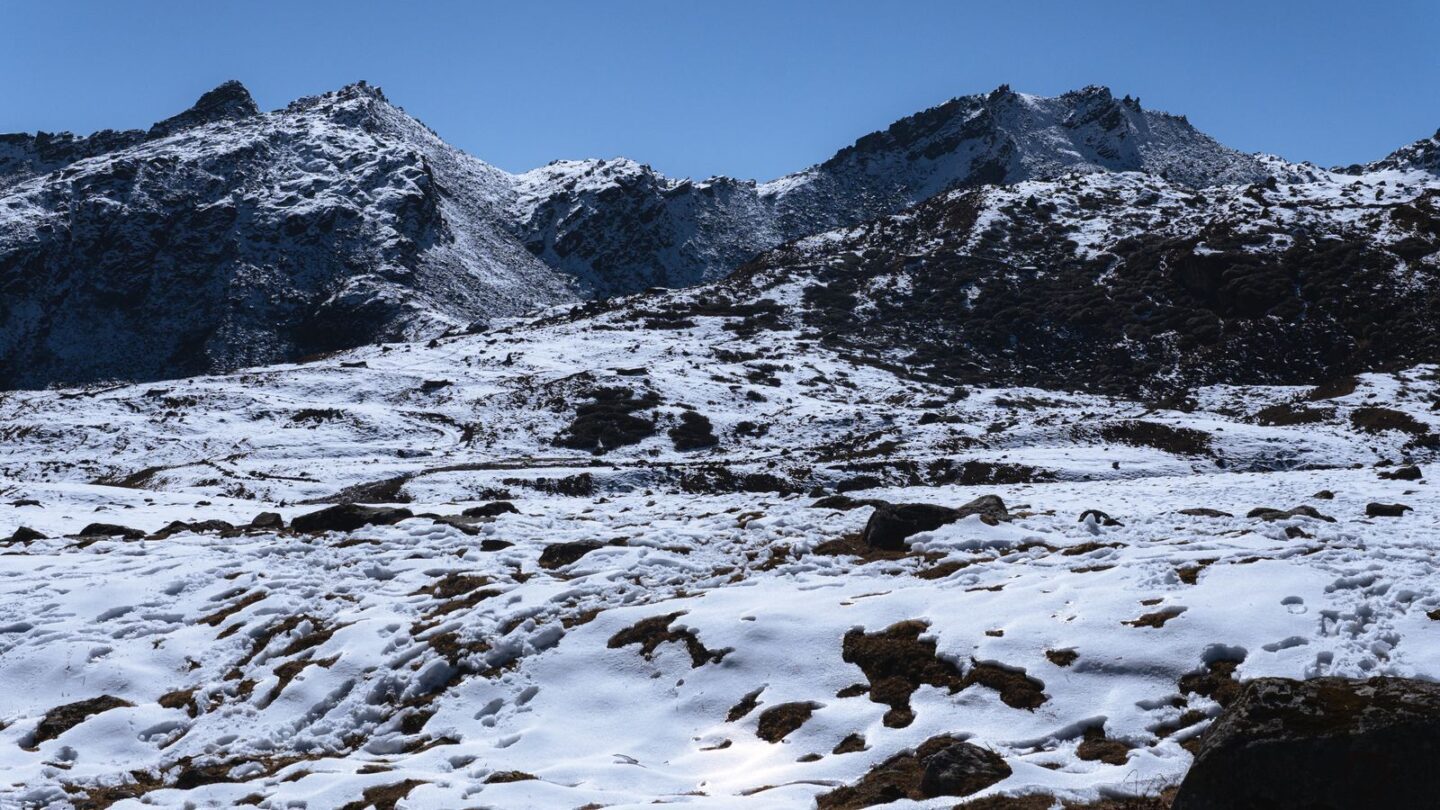
Tawang is a high mountain town in western Arunachal Pradesh, set at about 3,000 m and famous for India’s largest Buddhist monastery. It lies roughly 480 km by road from Guwahati, and the drive now runs through the all-weather Sela Tunnel. Indian visitors need an Arunachal tourist eILP, which costs ₹300 for up to 3 days or ₹500 for up to 14 days.
The town sits close to the borders of Bhutan and Tibet, and the Monpa people form most of its population. Beyond the monastery, visitors come for high lakes, the 1962 war memorials, the Bum La border pass and winter snow. This guide covers what to see, how to get permits, how to reach and how to plan three to five days.
Key takeaways
- Tawang Monastery was founded in 1680–81 by Merak Lama Lodre Gyatso and is the largest monastery in India.
- The town sits at about 3,000 m; Sela Pass on the way is about 4,170 m.
- Indian tourists need an Arunachal eILP; foreign nationals need a Protected Area Permit.
- Bum La, Madhuri Lake and PTso need an extra permit from the Deputy Commissioner’s office.
- Plan at least four days in the town itself, plus two travel days each way from Guwahati.
Tawang at a glance
| Detail | Information |
|---|---|
| State and district | Arunachal Pradesh, Tawang district |
| Altitude | About 3,000 m (roughly 10,000 ft) |
| Main people | Monpa |
| Famous for | Tawang Monastery, war memorial, high lakes, Bum La |
| Distance from Guwahati | About 480 km by road |
| Distance from Tezpur | About 330 km by road |
| Permit for Indians | Arunachal tourist eILP, ₹300 (3 days) or ₹500 (14 days) |
| Permit for foreigners | Protected Area Permit via a registered operator |
| Extra local permit | Bum La, Sangetsar (Madhuri) Lake, PTso area |
| Best seasons | March to May and October to November; December to February for snow |
| Ideal stay | 3 to 5 days in and around town |
Why Tawang matters
Tawang is more than a scenic hill station. It holds deep religious, cultural and strategic weight for India. The monastery here is a major seat of the Gelug school of Tibetan Buddhism. Furthermore, the sixth Dalai Lama, Tsangyang Gyatso, was born nearby at Urgelling in 1683.
The area also carries painful military history. Chinese forces briefly occupied the town during the 1962 war before withdrawing. As a result, war memorials and army camps are part of the landscape. China still claims the region, so parts of the district remain sensitive, and border areas need special permission.
Historically, the district belonged to the old Kameng Frontier Division of NEFA. Our explainer on the NEFA full form traces how that frontier agency became Arunachal Pradesh.
Tawang Monastery: history and highlights
The Tawang Monastery, known as Gaden Namgyal Lhatse, was founded in 1680–81 by Merak Lama Lodre Gyatso. He built it in line with the wishes of the fifth Dalai Lama. The name roughly means “the divine paradise of complete victory”. The district administration describes it as the second largest monastery in the world after the Potala Palace in Lhasa.
The complex covers a ridge above the Tawang Chu valley. It has a three-storey assembly hall, about 65 residential buildings and a long compound wall. Inside, a large gilded Buddha statue dominates the main hall. Meanwhile, the library holds old scriptures, including the Kangyur and Tengyur, some written in gold letters.
| Monastery feature | What to see |
|---|---|
| Kakaling gate | Hut-shaped entrance with painted mandalas and murals |
| Dukhang (assembly hall) | Large gilded Buddha statue and prayer rituals |
| Parkhang (library) | Old manuscripts, including the Kangyur and Tengyur |
| Printing press | Religious books printed with wooden blocks on local paper |
| Museum | Thangkas, masks and ritual objects |
| Morning prayers | Monks chanting in the assembly hall, early in the day |
Official tourism listings give opening hours of about 7 am to 7 pm. However, halls and the museum can keep shorter hours, so check at the gate. Dress modestly, walk clockwise around sacred objects and ask before photographing monks. Additionally, some prayer halls do not allow photos at all.
Best places to visit in Tawang town
Most town sights sit within a few kilometres of each other. Therefore, a full day covers them at an easy pace.
- Tawang War Memorial: a stupa-style memorial to 2,420 personnel who died in the 1962 war in the Kameng sector, with a museum and a light and sound show.
- Giant Buddha statue: a gilded bronze Buddha of almost 30 ft, consecrated in 2015, with wide views over the valley.
- Urgelling Monastery: a small gompa founded in 1489, revered as the birthplace of the sixth Dalai Lama.
- Gyangong Ani Gompa: a quiet nunnery on a hill outside town, popular for its views.
- Craft Centre: Monpa carpets, masks and wooden bowls made and sold by local artisans.
- Old market area: cafés, momo shops and handicraft stalls near the town centre.
The war memorial opens roughly from 7:45 am to 6 pm, according to Incredible India. The evening light and sound show depends on season and demand. Consequently, confirm the show time on arrival.
Tawang lakes and passes: Madhuri, PTso and Bum La
The high country north and east of Tawang holds the district’s best-known lakes. They sit along army-controlled roads, so you need a permit and a local taxi.
| Place | Approx. distance from town | Approx. altitude | Permit |
|---|---|---|---|
| PTso (Pankang Teng Tso) Lake | About 15 to 17 km | Well above 3,500 m | Bum La area permit |
| Bum La Pass | About 37 km | About 15,200 ft (4,600 m) | DC office permit plus army clearance |
| Sangetsar (Madhuri) Lake | About 35 km | About 3,700 m | DC office permit plus army clearance |
| Sela Pass and Sela Lake | On the way in, south of Jang | About 13,700 ft (about 4,170 m) | Covered by eILP |
| Nuranang (Jang) Falls | About 40 km, near Jang | Fall of about 100 m | Covered by eILP |
Sangetsar Lake formed when an earthquake blocked a stream with rocks and trees. Dead tree trunks still stand in the water. It became famous as Madhuri Lake after a song from the film Koyla was shot there. Similarly, the same film used Nuranang Falls near Jang.
Bum La sits on the India–China border at about 15,200 ft. Visitors see the border meeting point and hear briefings from the army when allowed. In contrast, winter snow and security needs can close the road at short notice.
Bum La permit in 2026
Apply at the Deputy Commissioner’s office in Tawang, usually a day before the trip. A permit portal for Bum La also accepts online applications for groups of up to six. It lists an entry window of about 7 am to 10:30 am and a return by 2 pm.
In 2025, the district introduced a per-person visitor fee for Bum La, with children under 12 and local tribal residents exempt. Reports give the amount as ₹50 to ₹100 per person. Moreover, local taxi packages for Bum La cost several thousand rupees per vehicle. Always confirm the current fee and rules at the DC office.
Only Tawang-registered taxis and approved vehicles usually go to Bum La and Madhuri Lake. Carry your eILP and original ID, as army posts check papers.
Tawang permits: eILP for Indians and PAP for foreigners
Every Indian visitor from outside Arunachal Pradesh needs an Inner Line Permit. Apply online on the official state eILP portal before travel. Our Arunachal ILP guide explains each step, document and photo rule.
| Visitor type | Permit | Fee | Notes |
|---|---|---|---|
| Indian tourist, up to 3 days | Tourist eILP | ₹300 per person | Too short for most Tawang trips |
| Indian tourist, 4 to 14 days | Tourist eILP | ₹500 per person | Suits a normal itinerary |
| Foreign national | Protected Area Permit | Set by the issuing office | Usually through a registered tour operator |
| Bum La, Madhuri Lake, PTso | Local DC office permit | Small per-person fee | Apply in Tawang town |
Most road travellers enter through the Bhalukpong check gate, so select it as the entry point. Furthermore, keep printed copies of the permit, since mobile signal can drop on the road. For other states’ rules, see our region-wide inner line permit guide.
How to reach Tawang
There is no commercial airport or railway station in the district. Consequently, most visitors fly into Guwahati or Tezpur and drive up.
| Option | From | Approx. time | Notes |
|---|---|---|---|
| Private taxi | Guwahati | 2 days, 14 to 16 hours of driving | Night halt in Dirang or Bomdila |
| Shared Sumo | Tezpur | 12 to 16 hours | Early morning departures; confirm fare locally |
| State-run helicopter | Guwahati | About 1 hour | Limited seats, light baggage, weather-dependent |
| Train plus road | Rangapara North or Bhalukpong | Long road leg remains | Few services; mostly useful for budget travellers |
The road runs Guwahati–Tezpur–Bhalukpong–Bomdila–Dirang–Sela Tunnel–Jang–Tawang. Since 9 March 2024, the Sela Tunnel has given all-weather access below Sela Pass. The district administration advises a night halt in Bomdila or Dirang for acclimatisation. Read our full Guwahati to Tawang road guide for stages and fares.
Best time to visit Tawang
Tawang is open most of the year. However, each season changes the experience sharply.
| Season | Months | Weather | Good for | Watch out for |
|---|---|---|---|---|
| Spring | March to May | Cool days, cold nights | Rhododendrons, clear roads | Late snow on high passes |
| Monsoon | June to September | Rain, cloud, cool | Green valleys, fewer tourists | Landslides on the hill road |
| Autumn | October to November | Crisp and clear | Views, Tawang Festival, lakes | Peak crowds and higher prices |
| Winter | December to February | Freezing, snow likely | Snow, frozen lakes, Torgya | Bum La and lake roads may close |
Wikipedia’s climate data shows January minimums falling to around minus 9°C. Snowfall usually arrives between December and January. In contrast, the monsoon months bring frequent road delays. For a wider seasonal plan, see our guide to the best time to visit Northeast India.
Tawang festivals: Torgya, Losar and the Tawang Festival
Monastic and Monpa festivals give the town extra colour. Dates follow the lunar calendar, so they shift every year.
- Torgya: a monastery festival, usually held in January, with masked cham dances meant to ward off evil and bring prosperity.
- Losar: the Tibetan and Monpa New Year, usually in February or March, marked with prayers and family feasts.
- Tawang Festival: a state-backed cultural festival showing Monpa dance, music, food and crafts; Incredible India lists it for late October 2026.
Festival dates can change at short notice. Therefore, confirm them with the district tourism office before you book flights.
Tawang itinerary: 3, 4 and 5 days
The plans below start on arrival in town. Add two travel days each way from Guwahati.
| Day | 3-day plan | 4-day plan | 5-day plan |
|---|---|---|---|
| Day 1 | Rest, market, Giant Buddha | Rest, market, Giant Buddha | Rest, market, Giant Buddha |
| Day 2 | Monastery, war memorial, Urgelling | Monastery, war memorial, Urgelling | Monastery and museum at leisure |
| Day 3 | Jang Falls on the way out, Sela Pass | PTso, Bum La, Madhuri Lake | War memorial, Urgelling, Ani Gompa |
| Day 4 | — | Jang Falls, Sela Pass on the way out | PTso, Bum La, Madhuri Lake |
| Day 5 | — | — | Craft centre, then Jang Falls and Sela on the way out |
The four-day plan suits most travellers. It leaves a rest day for altitude and a full day for the permit trip. Meanwhile, the five-day plan adds slack for weather, which often cancels Bum La visits.
Costs and budget for a Tawang trip
Prices rise in October, November and late December. As a result, book rooms early in peak weeks.
| Expense | Typical range | Notes |
|---|---|---|
| Tourist eILP | ₹300 to ₹500 per person | Fixed state fee |
| Budget homestay or guesthouse | Low to mid range per night | Heating often extra in winter |
| Mid-range hotel | Mid range per night | Higher in peak weeks |
| Bum La and lakes taxi | Several thousand rupees per vehicle | Shared by up to six people |
| Local sightseeing taxi | Varies by hours and stops | Agree the route in advance |
| Guwahati–Tawang cab, return | Highest cost item | Depends on vehicle and number of days |
Exact hotel and cab rates change each season. Therefore, collect written quotes and confirm what they include, such as driver stay and parking.
Altitude, safety and travel tips
At about 3,000 m, Tawang is high enough to cause mild altitude sickness. Moreover, Sela Pass and Bum La are much higher. Take it slowly on the first day and drink plenty of water.
- Acclimatise: break the drive at Dirang or Bomdila and rest on arrival day.
- Pack warm: carry thermals, a down jacket, gloves and a cap, even in October.
- Carry cash: ATMs exist but can run dry in peak season.
- Respect rules: do not photograph army posts, convoys or restricted signs.
- Plan buffers: snow, landslides and permit issues can cost a day.
- Book early: rooms fill fast in October, November and during the Tawang Festival.
A common mistake is fitting Bum La into the day after arrival. In contrast, a rest day first lowers the risk of headaches and nausea at 15,000 ft. Another mistake is relying on the helicopter without a road backup, since weather often cancels flights.
Frequently asked questions
Where is Tawang located?
Tawang is a town and district headquarters in western Arunachal Pradesh. It sits at about 3,000 m near the borders of Bhutan and Tibet. The town lies roughly 480 km by road from Guwahati and about 330 km from Tezpur. The Monpa people form most of the local population, and Buddhism shapes daily life.
Is Tawang Monastery the largest in India?
Yes. Tawang Monastery, or Gaden Namgyal Lhatse, is widely described as the largest Buddhist monastery in India. The district administration calls it the second largest in the world after the Potala Palace in Lhasa. Merak Lama Lodre Gyatso founded it in 1680–81 on the wishes of the fifth Dalai Lama.
Do I need a permit to visit Tawang?
Yes. Indian visitors from outside Arunachal Pradesh need a tourist eILP, which costs ₹300 for up to 3 days or ₹500 for up to 14 days. Foreign nationals need a Protected Area Permit, usually arranged through a registered tour operator. Bum La and some lakes also need a separate local permit from the Deputy Commissioner’s office.
How do I get a Bum La permit?
Apply at the Deputy Commissioner’s office in Tawang, usually a day ahead, or through the online Bum La permit portal where available. You need your eILP, photo ID and vehicle details. A small per-person visitor fee applies, reported at ₹50 to ₹100. Army clearance, weather and road conditions decide whether trips run each day.
How many days are enough for Tawang?
Four days in town suits most visitors. That allows a rest day, a monastery and memorial day, and a full day for Bum La and the lakes. Add two travel days each way from Guwahati. Five days gives useful slack for bad weather or a cancelled permit trip.
Does it snow in Tawang?
Yes. Snowfall usually arrives between December and January, and January nights can drop to around minus 9°C. Sela Pass and Bum La often see heavier snow. The Sela Tunnel keeps the main road open in most winter weather. However, snow can still close the Bum La and lake roads for days.
Can I visit Tawang in the monsoon?
Yes, but plan carefully. From June to September, rain brings landslides and delays on the hill road between Bhalukpong and Tawang. Views are often hidden by cloud. Keep a buffer day, travel early each morning and check road advisories with your hotel or driver before leaving.
Planning a smooth Tawang trip in 2026
Tawang rewards visitors who plan permits, pacing and warm clothes well. Secure your eILP early, rest on arrival and keep a spare day for Bum La. To place Arunachal Pradesh within the wider region, read about the Seven Sisters of India.
Find more destination guides in Northeast Travel or visit the Frontier News homepage.
Related guides
More in Northeast Travel →
Northeast Travel
Gurudongmar Lake: Permit, Route and Best Time to Visit
Northeast Travel
Cherrapunji (Sohra) Travel Guide: Waterfalls, Caves and Best Time
Northeast Travel