Tawang Monastery: History, Timings and Visit Guide for 2026
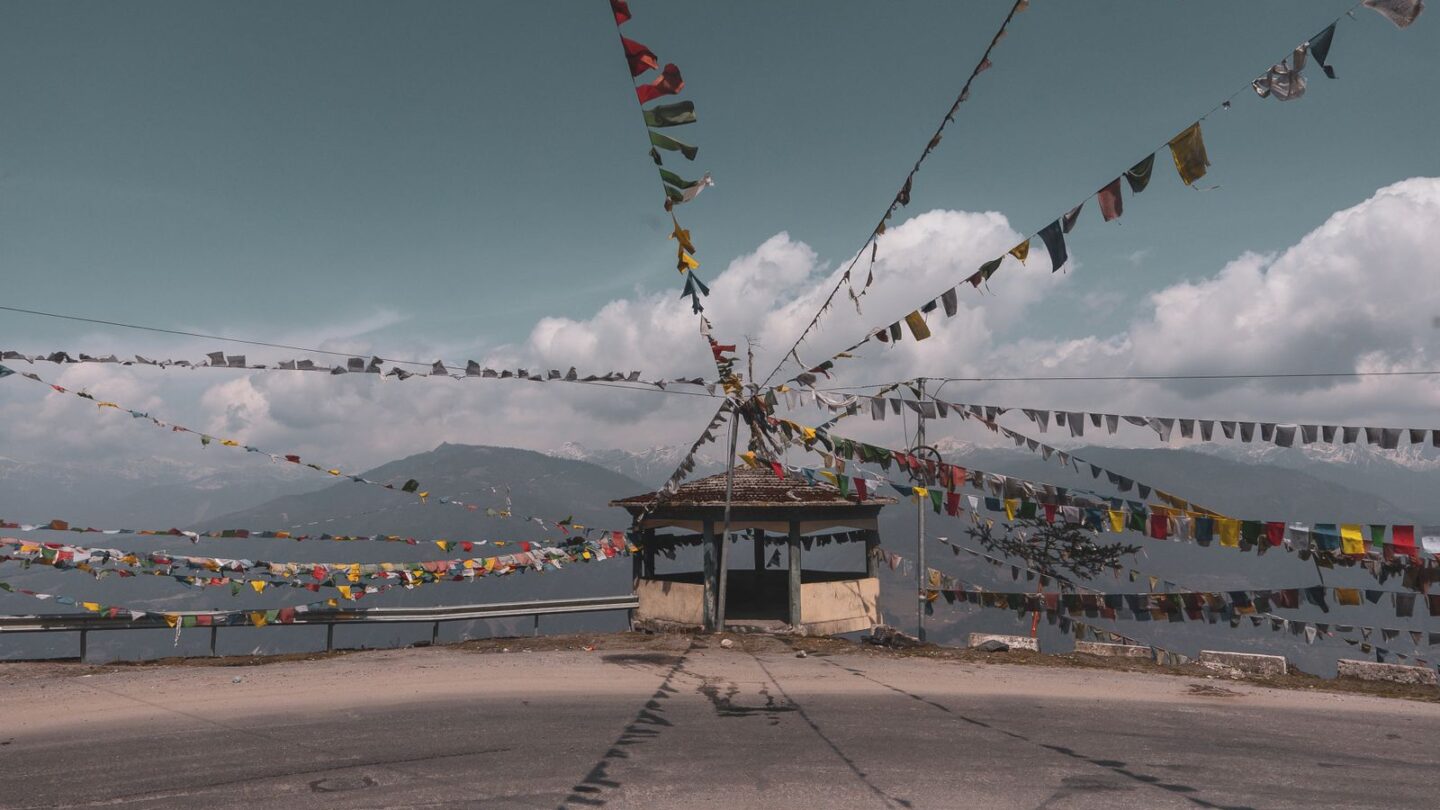
Tawang Monastery is the largest Buddhist monastery in India, founded in 1680-81 by Merak Lama Lodre Gyatso above Tawang town in western Arunachal Pradesh. It stands at about 3,000 m (roughly 10,000 ft) and belongs to the Gelug school of Tibetan Buddhism. Indian visitors need an Arunachal tourist eILP to reach it, and opening hours run roughly from morning to late afternoon.
Its full name is Gaden Namgyal Lhatse, often rendered as Galden Namgey Lhatse, and it sits on a ridge above the Tawang Chu valley. The district administration calls it the second largest monastery in the world after the Potala Palace in Lhasa. This guide covers its history, main halls, timings, festivals, etiquette and the road to reach it.
Key takeaways
- Tawang Monastery was founded in 1680-81 by Merak Lama Lodre Gyatso, in line with the wishes of the fifth Dalai Lama.
- It belongs to the Gelug school and follows a fortress-like dzong style, with a compound wall about 925 ft (282 m) long.
- The main hall holds a gilded Buddha of about 18 ft, and the upper floor houses a library of scriptures.
- Listed hours range from about 7 am to 7 pm on some tourism pages to 9 am to 5 pm on others, so confirm at the gate.
- Torgya, a three-day masked-dance festival, usually falls in January, and dates follow the lunar calendar.
Tawang Monastery at a glance
| Detail | Information |
|---|---|
| Full name | Gaden Namgyal Lhatse (Galden Namgey Lhatse) |
| Location | Tawang town, Tawang district, Arunachal Pradesh |
| Altitude | About 3,000 m (roughly 10,000 ft) |
| Founded | 1680-81 by Merak Lama Lodre Gyatso |
| School | Gelug (Yellow Hat) of Tibetan Buddhism |
| Style | Dzong (fortress) architecture, three storeys |
| Compound wall | About 925 ft (282 m) |
| Monks | Roughly 400 to 450 in past counts; buildings can house about 700 |
| Timings | Roughly morning to late afternoon; confirm locally |
| Permit for Indians | Arunachal tourist eILP |
| Best festivals | Torgya (January), Losar (February or March) |
History of Tawang Monastery
Merak Lama Lodre Gyatso founded the monastery in 1680-81, following the wishes of the fifth Dalai Lama. He wanted to create a Gelug centre in a region that other Buddhist schools had long influenced. Consequently, the monastery grew into a religious, educational and political anchor for the Monpa people of the area.
The name Gaden Namgyal Lhatse roughly means the celestial paradise of complete victory. Furthermore, the fortress-like design, with thick walls and a defensible position, reflects the rivalry among schools at the time. The sixth Dalai Lama, Tsangyang Gyatso, was born nearby at Urgelling in 1683. As a result, the area holds special weight for Tibetan Buddhists.
The 14th Dalai Lama also stayed here briefly in 1959 after leaving Tibet. He has visited again since, including in 2009 and 2017, according to published accounts. For the wider story of the town and its border setting, see our Tawang travel guide.
Is Tawang Monastery the largest in India?
Yes. Tawang Monastery is widely described as the largest monastery in India. The district administration also places it second in the world after the Potala Palace in Lhasa, and we use that wording for consistency across our guides. However, such rankings depend on how people measure size, so treat “second largest” as a common claim rather than an official ranking.
The scale is easy to see on arrival. The compound holds about 65 residential buildings inside a wall of roughly 925 ft. Moreover, the main structure rises three storeys above the valley, and it can house hundreds of monks.
What to see inside Tawang Monastery
The monastery complex holds several parts, and each rewards a slow visit. Allow about two to three hours if you also want the museum and the views.
| Feature | What to see |
|---|---|
| Main assembly hall (Dukhang) | Gilded Buddha of about 18 ft in lotus position, murals, butter lamps |
| Library (Parkhang) | Kangyur and Tengyur scriptures, some with gold-leaf lettering |
| Museum | Thangkas, masks, ritual objects and old manuscripts |
| Courtyard | Space for cham dances during festivals |
| Terraces and outer path | Wide views over the Tawang Chu valley |
| Monk residences | Rows of small houses inside the wall |
The main prayer hall
The main hall is the heart of the complex. A large gilded Buddha sits at its centre, and monks chant here during morning and afternoon prayers. Visitors can sit quietly at the back. Additionally, butter lamps and coloured banners fill the space, so allow time to look up as well as ahead.
The library and museum
The upper floor holds a library with printed and handwritten Buddhist texts. In contrast, the museum focuses on objects such as thangkas, masks and ritual items. Both are usually included in a normal visit, though the museum may charge a small fee. Check at the counter, because halls and museum sometimes keep shorter hours than the main gate.
Tawang Monastery timings and entry fee
Timings vary between sources. Official tourism listings give about 7 am to 7 pm, while other guides list about 9 am to 5 pm. Therefore, aim to arrive before 10 am, and confirm hours with your hotel or at the gate. Specific halls may close for rituals, lunch or special festival days.
| Item | Typical detail |
|---|---|
| Opening hours | About 7 am to 7 pm on some listings; 9 am to 5 pm on others |
| Best arrival time | Before 10 am, when light and prayers are best |
| Main gate entry | Usually free or a nominal amount; confirm on site |
| Museum | Small fee reported; confirm at the counter |
| Time needed | About 2 to 3 hours |
| Photography | Usually allowed outside; ask before photographing monks or inside halls |
The monastery is a short drive from Tawang town. Local taxis, hotels and tour operators run regular trips, and many visitors also walk the last stretch. Because fees and hours change, treat these numbers as a guide and always confirm locally.
Tawang Monastery dress code and etiquette
The monastery is an active religious site, so behaviour matters. Dress modestly, with shoulders and knees covered. Remove shoes before entering any prayer hall. Furthermore, keep your voice low and switch phones to silent.
- Walk clockwise: move clockwise around stupas, prayer wheels and sacred objects.
- Ask before photographing: some halls ban photos entirely, and monks may decline portraits.
- Avoid flash: it damages old murals and disturbs prayers.
- Do not touch: murals, statues and texts are fragile and sacred.
- Do not point feet: avoid pointing your feet at altars or monks.
- Carry a warm layer: the halls are cold even in spring.
Torgya, Losar and festivals at Tawang Monastery
Festivals bring the monastery to life. Torgya is the best known. It lasts three days, usually falls in January, and follows the 28th to 30th day of the eleventh lunar month. Different sources place it around 10 to 12 January or in mid to late January, so confirm the exact dates before you book.
During Torgya, monks perform masked cham dances that are meant to drive out evil. Rituals include the making and burning of a large ghee-and-barley torma. In addition, a grander version called Dungyur takes place every third year, according to Tawang tourism sources.
| Festival | Usual timing | What happens |
|---|---|---|
| Torgya | January, 3 days | Masked cham dances, torma burning, blessings |
| Dungyur | Every third year, with Torgya | Larger ceremony with extra rituals |
| Losar | Late February or early March | Monpa New Year, prayers and family feasts |
Rooms fill quickly in January, and the weather is freezing. Consequently, book early and pack heavy winter gear. Our best time to visit guide compares seasons across the region.
Permits for visiting Tawang Monastery
Indian tourists need an Arunachal tourist eILP to travel to Tawang. It costs ₹300 for up to 3 days or ₹500 for up to 14 days, and you can apply online. Foreign nationals need a Protected Area Permit through a registered operator. No separate permit is needed just for the monastery once you are in town.
Read our Arunachal ILP guide for portal steps and documents. Carry printed copies, because mobile signal can drop on the road. In contrast, Bum La and Madhuri Lake need extra permits from the Deputy Commissioner’s office, and those do not apply to the monastery.
| Traveller | Permit | Notes |
|---|---|---|
| Indian tourist | Arunachal eILP, ₹300 (3 days) or ₹500 (14 days) | Apply online before travel |
| Foreign national | Protected Area Permit | Book through a registered operator |
| Local visit to the monastery | No extra permit | Only in town, with the main permit |
How to reach Tawang Monastery
The monastery lies in Tawang town, roughly 480 km by road from Guwahati. Most road travellers drive through Tezpur, Bhalukpong, Bomdila and Dirang, then cross the Sela area on the way to Jang and Tawang. Since 9 March 2024, the Sela Tunnel has given the road all-weather access below the pass.
For details on the tunnel, see our Sela Tunnel guide. Similarly, our Sela Pass guide covers the higher road, Sela Lake and conditions. Plan two days on the road, with a night in Dirang or Bomdila for acclimatisation.
| Option | From | Approx. time | Notes |
|---|---|---|---|
| Private taxi | Guwahati | 2 days, 14 to 16 hours driving | Night halt in Dirang or Bomdila |
| Shared Sumo | Tezpur | 12 to 16 hours | Early departures; confirm fare locally |
| State helicopter | Guwahati | About 1 hour | Limited seats, weather-dependent |
Read our Guwahati to Tawang road guide for stages and stops. Moreover, the helicopter service runs on a limited schedule, so book ahead.
Best time to visit Tawang Monastery
Tawang Monastery is open most of the year. March to June and October to November give clear skies and open roads. In contrast, December to February brings snow, frozen lakes and Torgya, but also cold and road closures. The monsoon adds fog and landslides on the approach road.
Morning is the best time in every season. Prayers are active, light on the hillside is soft, and crowds are thinner. Furthermore, the altitude can cause mild headaches, so take the first day slowly.
| Season | Months | Conditions |
|---|---|---|
| Spring | March to May | Clear skies, mild days, open roads |
| Monsoon | June to September | Fog, rain, landslide risk |
| Autumn | October to November | Crisp air, clear views |
| Winter | December to February | Snow, Torgya, very cold |
Nearby sights to combine with Tawang Monastery
Once you have seen the monastery, use the rest of the day for nearby stops. Tawang War Memorial honours 2,420 personnel who died in the 1962 war in the Kameng sector, and it has a museum and a light and sound show. Urgelling Monastery, a small gompa founded in 1489, is revered as the birthplace of the sixth Dalai Lama.
- Tawang War Memorial: stupa-style memorial with a museum; hours are roughly 7:45 am to 6 pm.
- Urgelling Monastery: a small gompa linked to the sixth Dalai Lama.
- Tawang market: Monpa crafts, prayer flags, thangkas and local snacks.
- Sangetsar (Madhuri) Lake: a high lake needing a separate local permit.
For a full four-day plan, use the itinerary in the guide linked above. Meanwhile, keep some time for the town market and evening tea.
A half-day plan for Tawang Monastery
A half-day is enough for a first visit. Start early and follow this order.
- Reach the monastery by about 8:30 to 9 am and remove your shoes at the hall.
- Sit in the main prayer hall for a few minutes, if prayers are on.
- Visit the library and museum, and ask before taking photos.
- Walk the terrace and outer path for valley views.
- Return to town for lunch, then visit the war memorial in the afternoon.
Common mistakes to avoid
- Arriving late: halls can close, and afternoon cloud hides the valley.
- Wearing shorts or sleeveless tops: modest dress is expected.
- Photographing everything: ask first, especially inside halls and of monks.
- Skipping acclimatisation: rushing the drive to Tawang can cause altitude sickness.
- Assuming fixed hours: timings vary by source, so check on the day.
- Forgetting permits: the eILP is required before you reach the district.
Frequently asked questions
Who founded Tawang Monastery?
Merak Lama Lodre Gyatso founded Tawang Monastery in 1680-81, following the wishes of the fifth Dalai Lama. He built it as a centre of the Gelug school in the Monpa region. The complex has grown over centuries and is now a major Buddhist centre in India.
Is Tawang Monastery the largest in India?
Yes, Tawang Monastery is widely described as the largest monastery in India. The Tawang district administration also calls it the second largest in the world after the Potala Palace in Lhasa. Size rankings depend on how people measure them, so treat the world ranking as a common description.
What are Tawang Monastery timings?
Timings vary by source. Some official tourism listings give about 7 am to 7 pm, while other guides say about 9 am to 5 pm. Halls and the museum may close earlier, or during rituals. Therefore, arrive before 10 am and confirm the hours at the gate or with your hotel.
Is there an entry fee for Tawang Monastery?
Reports describe entry as free or nominal, with a small fee for the museum. However, amounts change and no single official figure is confirmed. Carry small cash and check at the counter. Separate charges may also apply for parking or guides, so ask before you go in.
When is the Torgya festival at Tawang Monastery?
Torgya is a three-day festival held in the 11th lunar month, usually in January. Some sources place it around 10 to 12 January, while others say mid to late January. Dates change with the lunar calendar, so confirm them with the monastery or Tawang tourism before booking a room.
What should I wear at Tawang Monastery?
Wear modest clothes that cover your shoulders and knees, and carry a warm layer, since the halls are cold. Remove shoes before entering prayer halls. Walk clockwise around sacred objects, avoid flash and ask before photographing monks. Quiet behaviour matters most, especially during prayers.
Do I need a permit to visit Tawang Monastery?
Indian tourists need an Arunachal tourist eILP to travel to Tawang, costing ₹300 for up to 3 days or ₹500 for up to 14 days. Foreign nationals need a Protected Area Permit. Once you are in town, the monastery itself does not need a separate permit, according to current guidance.
How far is Tawang Monastery from Guwahati?
Tawang town is roughly 480 km from Guwahati by road, and the monastery lies in the town area. The drive usually takes two days, with a night in Dirang or Bomdila. Since 9 March 2024, the Sela Tunnel has kept the road open in snow, though weather can still cause delays.
Planning your Tawang Monastery visit
Tawang Monastery rewards a slow, early visit. Arrive in the morning, dress modestly, sit in the main hall and confirm hours and fees at the gate. Combine it with the war memorial and Urgelling, and secure your eILP before you leave.
Explore more of the region in Northeast Travel or return to the Frontier News homepage.
Related guides
More in Northeast Travel →
Northeast Travel
Majuli Island Guide 2026: Satras, Ferry Timings and Stays
Northeast Travel
Ravangla Travel Guide: Buddha Park and Views for 2026
Northeast Travel