Lachung Travel Guide 2026: Yumthang, Permits and Stays
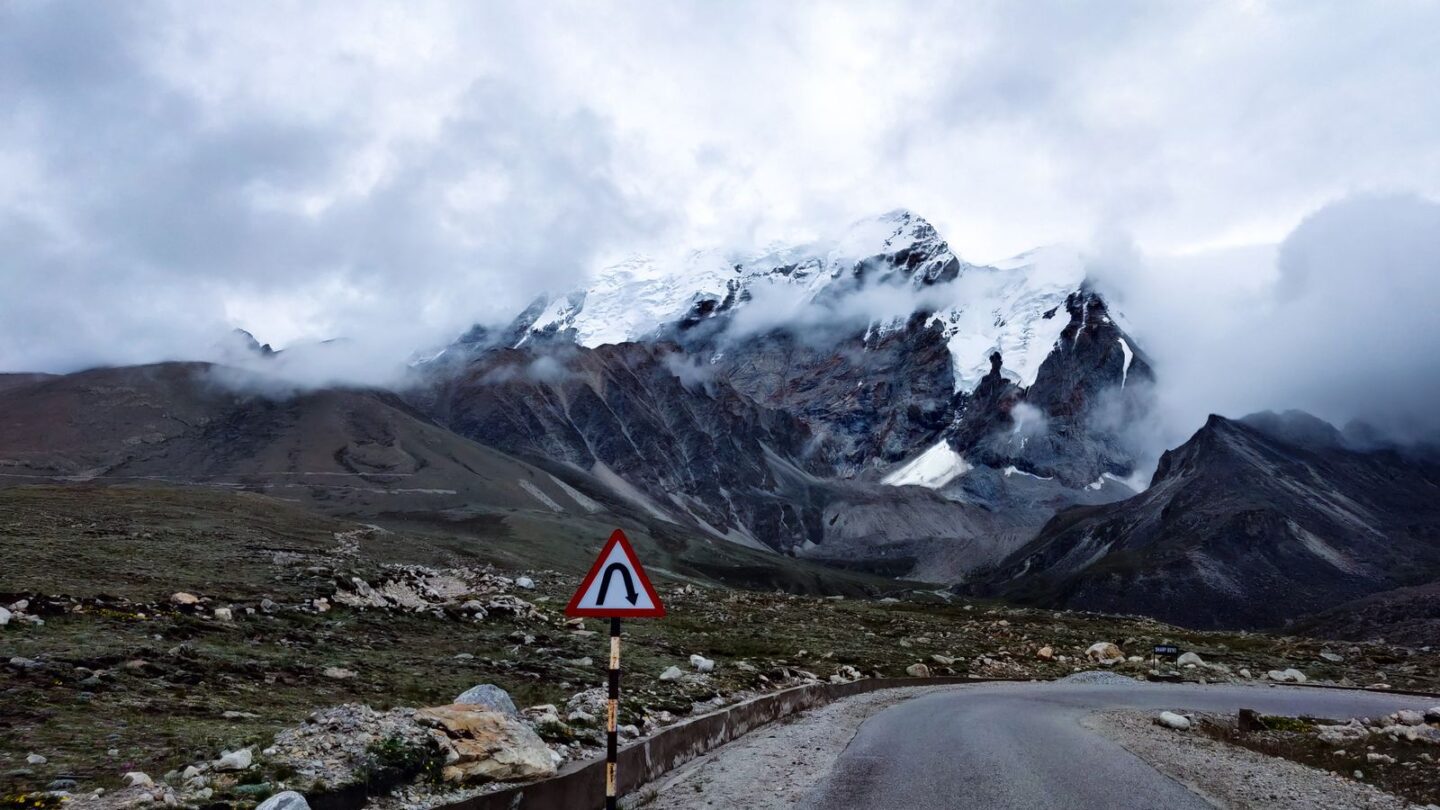
Lachung is a mountain village in North Sikkim at about 2,700 to 2,900 m, roughly 115 to 125 km from Gangtok. It is the overnight base for Yumthang Valley and Zero Point. Indian visitors need a Protected Area Permit arranged by a registered tour operator. The drive usually takes 6 to 8 hours via Mangan and Chungthang.
The village lies along a river of the same name, a tributary of the Teesta, in Mangan district close to the Tibet border. Tourist access has opened and closed several times since the October 2023 Teesta flood. The village reopened to tourists on 8 September 2025, and a September 2026 district order now sets a 4 pm deadline at the Toong check post.
Key takeaways
- Lachung sits at roughly 2,700 to 2,900 m in Mangan (North Sikkim) district.
- Every visitor needs a Protected Area Permit; Aadhaar is not accepted as ID for it.
- Self-drive is generally not allowed, so trips run in registered local vehicles.
- Tourist vehicles must cross the Toong check post by 4 pm in both directions under a 10 September 2026 order.
- Most packages run 2 nights and 3 days from Gangtok, with a dawn trip to Yumthang Valley.
Lachung at a glance
| Detail | Information |
|---|---|
| Location | Mangan (North Sikkim) district, Sikkim |
| Altitude | About 2,700 to 2,900 m (roughly 8,900 to 9,600 ft) |
| Distance from Gangtok | About 115 to 125 km, usually 6 to 8 hours |
| River | Joins the Lachen Chu at Chungthang to form the Teesta |
| Permit for Indians | Protected Area Permit via a registered operator |
| Permit for foreigners | Online RAP, then a group PAP via an agency |
| Main excursions | Yumthang Valley, Zero Point, the village monastery |
| Road rule | Cross Toong check post by 4 pm, both directions |
| Tourist fee | ₹50 Sikkim tourism fee, usually collected by hotels |
| Typical trip | 2 nights, 3 days from Gangtok |
Why travellers visit Lachung
The village is the gateway to one of the two main tourist axes of North Sikkim. The other axis runs through Lachen towards Gurudongmar Lake. Most visitors come for Yumthang Valley, famous for spring rhododendrons, and for snow at Zero Point higher up.
The village itself also repays a slow evening. Wooden houses, prayer flags and fruit orchards line the slopes, with steep forested ridges on every side. The botanist Joseph Hooker, who passed through in 1855, reportedly called it the most picturesque village of Sikkim.
The village was a trading post on a route to Tibet before 1950. Today, most residents trace Lepcha or Tibetan roots, and people commonly speak Nepali, Lepcha and Bhutia. Additionally, the village keeps a traditional council called the Dzumsa, led by an elected headman known as the Pipon. The Dzumsa handles many local matters here and in Lachen. Therefore, follow any community rules your driver or host explains.
Lachung permit rules in 2026
The area lies in a protected border zone. Therefore, every visitor needs a Protected Area Permit (PAP) for the Lachung, Yumthang and Zero Point axis. Our Sikkim permit guide explains the system across the state.
Permit for Indian citizens
- Book your North Sikkim trip with a Sikkim-registered tour operator or taxi union.
- Send scans of a valid photo ID and passport-size photos.
- The operator applies for the permit, usually a day before departure.
- Your driver carries the permit and shows it at each check post.
Valid IDs include a passport, voter ID, driving licence, or a central or state government ID. However, Aadhaar is not accepted for the PAP. Carry at least two photos per person and several photocopies. Children should carry a birth certificate or passport.
Permit for foreign nationals
Foreigners first need a Restricted Area Permit for Sikkim, applied for online on the e-FRRO portal before entry. They then need a separate PAP for this axis, which requires a group of at least two and a registered agency. The state lists Lachung, Yumthang and Yumesamdong among North Sikkim areas open to foreigners. Nevertheless, army instructions can change access on the day, so confirm with your agency.
| Traveller | Permit needed | How it is arranged | Key notes |
|---|---|---|---|
| Indian citizen | Protected Area Permit | Registered operator | Aadhaar not accepted |
| Foreign national | RAP plus group PAP | e-FRRO for RAP; agency for PAP | Minimum group of two |
| Children | PAP with the family group | Operator | Birth certificate or passport |
| All visitors | ₹50 tourism fee | Collected by accommodation | Valid for the stay in Sikkim |
Lachung road status and the Toong 4 pm rule
North Sikkim has faced repeated disruption since October 2023. That month, a flash flood in the Teesta valley destroyed roads and bridges across the district. Consequently, the valley has opened and closed to tourists several times since then.
| Date | Update |
|---|---|
| October 2023 | Teesta flash flood damages roads and bridges in North Sikkim |
| June 2024 | Landslides leave over 1,200 tourists stranded in the valley for several days |
| Late May 2025 | North Sikkim tourism halted after heavy rain and landslides |
| 8 September 2025 | Lachung, Yumthang Valley and Zero Point reopen to tourists |
| 10 September 2026 | Mangan order: vehicles must cross Toong check post by 4 pm, both ways |
| September 2026 | Lachen also reopens; this valley stays open with timing rules |
The Mangan district administration cited road, weather and terrain conditions for the 4 pm rule. It applies to vehicles heading uphill and to those returning towards Mangan and Gangtok. As a result, operators now plan morning departures from Gangtok and early returns.
Conditions on the Lachung road can change within hours after heavy rain. Confirm the current status with your operator before paying, and keep a spare day in your plan.
How to reach Lachung
No airport or railhead lies nearby. Most travellers fly into Bagdogra or take a train to New Jalpaiguri, then reach Gangtok by road. Our Bagdogra to Gangtok guide compares taxis, buses and the helicopter.
North Sikkim trips start from Gangtok. The road follows the Teesta north through Mangan, then turns up the valley at Chungthang, where two rivers meet to form the Teesta.
| Leg | Approx. distance | Approx. time | Notes |
|---|---|---|---|
| Bagdogra or NJP to Gangtok | About 120 to 125 km | 4 to 5 hours | Via Rangpo |
| Gangtok to Mangan | About 65 to 70 km | 2.5 to 3.5 hours | District headquarters |
| Mangan to Chungthang | About 30 to 40 km | 1.5 to 2 hours | Road splits for the two valleys |
| Chungthang to Lachung | About 20 to 25 km | 1 to 1.5 hours | Passes Bhim Nala falls |
| Gangtok to Lachung in total | About 115 to 125 km | Usually 6 to 8 hours | Diversions can add time |
These figures are estimates. Diversions, road works and landslide clearance often change them. Furthermore, map apps may not reflect current detours, so trust your driver.
Shared or reserved vehicle
Self-drive is generally not allowed in North Sikkim. Instead, visitors use a registered local vehicle on a shared seat or a reserved car. Shared-seat packages with one night’s stay were quoted at roughly ₹1,500 to ₹1,800 per person in 2025. In contrast, a reserved SUV costs several thousand rupees for the same trip. Rates vary by season and union, so confirm what the price includes.
Things to do in Lachung
Yumthang Valley
Yumthang Valley lies about 24 to 26 km north of Lachung, at roughly 3,564 m. Rhododendrons bloom there from about late March to May, while snow covers it in winter. Drivers usually leave the village between 5 am and 6 am to beat the clouds. Read our full Yumthang Valley guide for permits, seasons and costs.
Zero Point (Yumesamdong)
Zero Point sits roughly 20 to 25 km beyond Yumthang, at about 4,600 to 4,800 m. It often holds snow well into spring. However, it costs extra per vehicle, and blogs quote around ₹3,000 to ₹4,000. Skip it if anyone in your group feels unwell at altitude.
Lachung Monastery
The monastery belongs to the Nyingma school of Tibetan Buddhism and dates from around 1880. It stands on a slope above the village and holds murals and prayer wheels. It reportedly hosts an annual masked dance, but dates vary, so ask locally. Dress modestly, walk clockwise and ask before taking photos inside.
Bhim Nala falls and roadside waterfalls
Bhim Nala is a tall waterfall beside the road, roughly 10 to 15 km before Lachung. Many drivers stop here on the way up. Additionally, several smaller falls line the route after Mangan, especially during and after the monsoon.
Orchards and village walks
Lachung is known for small fruit orchards, including apples, around its houses. A slow walk through the village helps acclimatisation on the first evening. Similarly, some itineraries include a local handicraft or weaving centre, depending on what is open.
Katao
Katao is a snowy high area beyond Lachung. However, it needs separate permission and is often closed to tourists. Ask your operator before expecting it on any itinerary.
Where to stay in Lachung
Lachung offers homestays, guesthouses and mid-range hotels, plus a few resort-style properties. Most North Sikkim packages include a room with dinner and breakfast. Consequently, many travellers never book a hotel separately.
| Stay type | What to expect | Rough price guide |
|---|---|---|
| Homestay | Family-run rooms, home-cooked meals, basic heating | Often from about ₹1,000 to ₹1,500 per night online |
| Budget guesthouse | Simple rooms, geysers, limited heating | Roughly similar to homestays |
| Mid-range hotel | Package-standard rooms with meals | Several thousand rupees, higher in peak season |
| Resort | Better heating, views and service | Considerably higher; book ahead |
Prices rise in April to May and in October to November. Moreover, power cuts can happen, so ask about room heaters and backup power. Hotels usually collect Sikkim’s ₹50 tourism fee at check-in.
Best time to visit Lachung
The right month depends on your goals. Spring brings rhododendrons, autumn brings clear skies, and winter brings snow. For a region-wide view, see our guide to the best time to visit Northeast India.
| Months | Weather in the village | What to expect |
|---|---|---|
| March | Cold, early blooms, lingering snow | Quieter; Yumthang road may have snow |
| April to May | Mild days, cold nights | Peak rhododendron season; book early |
| June to September | Rain and cloud | Landslide risk; closures possible |
| October to November | Clear skies, crisp air | Good views and generally stable roads |
| December to February | Very cold, frequent snow | Snow at Zero Point; roads can close |
Winter nights in Lachung often drop below freezing. As a result, pack heavy layers even if Gangtok feels mild. In the monsoon, the North Sikkim roads face the most disruption.
Sample Lachung itinerary
A standard package covers Lachung and Yumthang Valley in two nights and three days. Longer trips add Lachen and Gurudongmar Lake when both valleys are open.
| Day | Plan | Night stay |
|---|---|---|
| Day 1 | Leave Gangtok early, stop at viewpoints and Bhim Nala, reach the village by afternoon | Lachung |
| Day 2 | Dawn drive to Yumthang Valley, optional Zero Point, return and visit the monastery | Lachung |
| Day 3 | Leave after breakfast, cross Toong before 4 pm, reach Gangtok by evening | Gangtok |
For the other valley, read our Gurudongmar Lake guide. Meanwhile, if you have spare days in East Sikkim, a day trip to Tsomgo Lake fits well before or after North Sikkim.
Altitude and safety tips for Lachung
The village itself sits below 3,000 m, so most visitors cope well. However, Yumthang and especially Zero Point climb much higher on the second day. Therefore, rest on arrival and take the first evening slowly.
- Drink water often and avoid alcohol on the first night.
- Watch for symptoms such as headache, nausea, dizziness or breathlessness.
- Descend promptly if symptoms worsen, and tell your driver at once.
- Carry layers, gloves, a warm cap and waterproof shoes in every season.
- Keep cash, because card and UPI coverage beyond Mangan is patchy.
- Expect weak mobile signal, and share your itinerary before leaving Gangtok.
- Carry original IDs used for the permit throughout the trip.
- Avoid night travel, and respect the Toong deadline in both directions.
Families with infants, elderly travellers or anyone with heart or lung concerns should seek medical advice before going to Zero Point. Additionally, do not pick flowers in the Shingba Rhododendron Sanctuary on the way to Yumthang.
Frequently asked questions
What is the altitude of Lachung?
Lachung sits at roughly 2,700 to 2,900 m, or about 8,900 to 9,600 ft, depending on where the measurement is taken. Yumthang Valley, the main excursion, is higher at about 3,564 m. Zero Point reaches roughly 4,600 to 4,800 m. Take your first evening slowly and drink plenty of water before the higher trip.
How far is Lachung from Gangtok?
Lachung lies about 115 to 125 km north of Gangtok by road. The drive usually takes 6 to 8 hours via Mangan and Chungthang, including stops. Landslide diversions can add time, especially in the monsoon. Because of the Toong check post deadline of 4 pm, operators generally leave Gangtok in the morning.
Do I need a permit for Lachung?
Yes. All visitors need a Protected Area Permit, which registered Sikkim tour operators arrange, usually a day in advance. Indians can use a passport, voter ID, driving licence or government ID, but not Aadhaar. Foreign nationals need an online Restricted Area Permit first, then a group permit through an agency, with at least two people.
Can foreigners visit Lachung?
Yes. Sikkim lists the village, Yumthang and Yumesamdong among North Sikkim areas open to foreign nationals. They first need a Restricted Area Permit through the e-FRRO portal. Then a registered agency applies for a Protected Area Permit for a group of two or more. Army instructions can still change access on a given day.
What is the Toong check post rule?
A Mangan district order dated 10 September 2026 requires tourist and light vehicles on the Lachen and Lachung routes to cross the Toong check post by 4 pm. The rule applies in both directions. It aims to prevent night driving on fragile mountain roads. Operators plan departure times around it, so start early.
Is one night enough for Lachung?
One night is possible, but it is rushed. Some operators run a one-night trip, visiting Yumthang the next morning and driving straight back to Gangtok. However, that leaves little margin for the Toong deadline or road delays. Two nights allow a relaxed Yumthang trip, a monastery visit and a buffer for bad weather.
Is Lachung open in the monsoon?
It may be open, but closures are common from June to September. Landslides stranded over 1,200 tourists there in June 2024, and North Sikkim tourism stopped from late May 2025 until September 2025. Check the latest status with your operator and local news before booking, and keep flexible dates during the rainy season.
Planning a smooth Lachung trip
Lachung rewards travellers who plan around permits, weather and road rules. Book through a registered operator, carry valid non-Aadhaar ID, and leave Gangtok early to beat the Toong deadline. Choose April or May for flowers, October or November for clear views, or winter for snow. Keep a spare day, and your Yumthang trip will run far more smoothly.
Find more trip ideas in Northeast Travel or visit the Frontier News homepage.
Related guides
More in Northeast Travel →
Northeast Travel
Sikkim Tourist Places: 15 Best Places to Visit in 2026
Northeast Travel
Mawsynram: The Wettest Place on Earth Travel Guide for 2026

Northeast Travel