Majuli Island Guide 2026: Satras, Ferry Timings and Stays
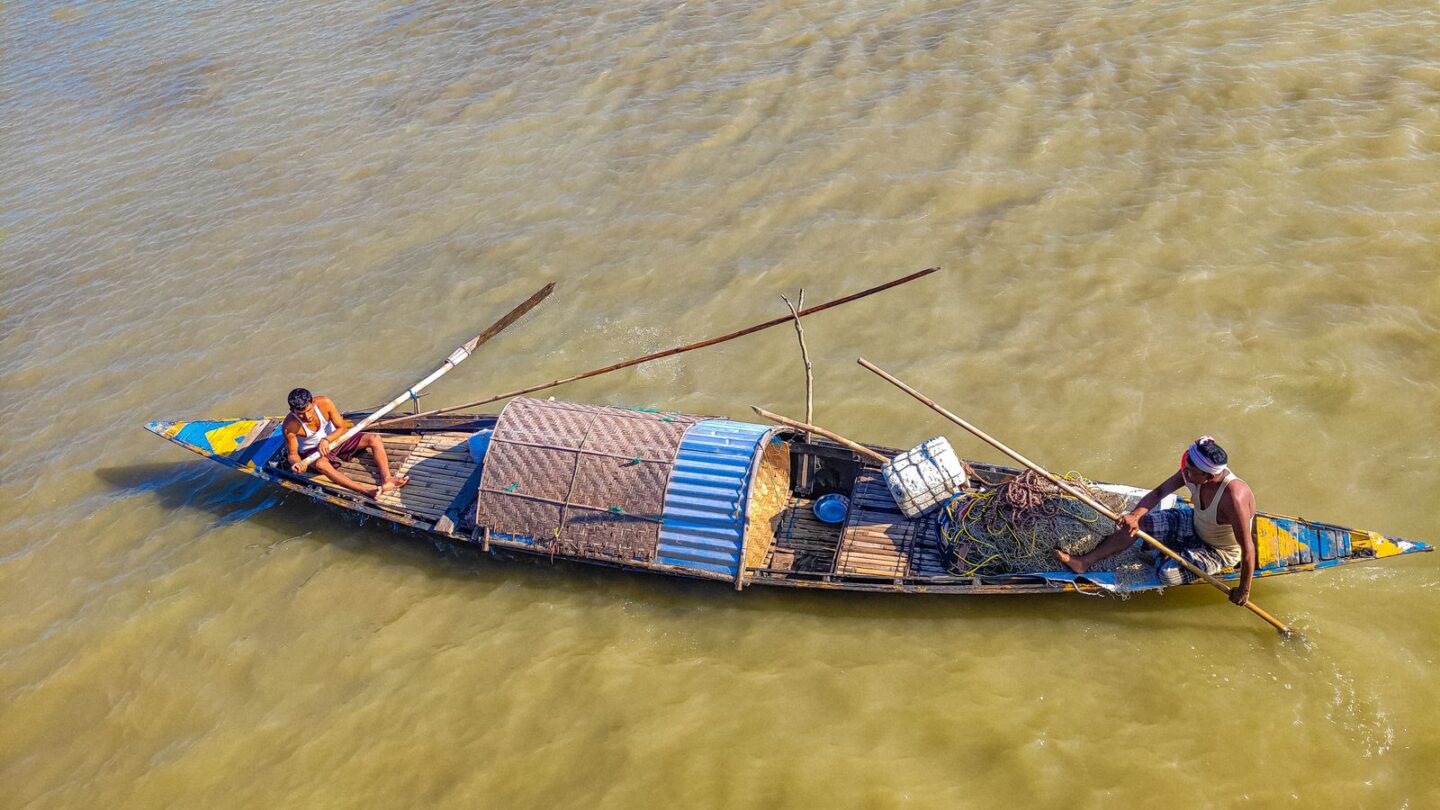
Majuli Island is a river island in the Brahmaputra, in Upper Assam, reached mainly by a ferry from Nimati Ghat near Jorhat. It became India’s first river-island district in 2016, and it holds a cluster of Vaishnavite monasteries called satras, along with Mising and other indigenous villages. Most visitors cross by government or private ferry in roughly an hour, then stay a night or two in a homestay or bamboo cottage.
The island sits inside the main channel of the Brahmaputra, so its shape and size shift with every monsoon. Erosion has cut its area sharply over the past century, and a long-delayed bridge project means the ferry still carries almost all traffic in 2026. That mix of fragile geography and living Assamese Vaishnavite culture is what draws travellers, researchers and pilgrims to Majuli island.
Key takeaways
- Majuli island became India’s first river-island district in September 2016.
- The island has shrunk sharply from erosion; area estimates vary widely by season and survey, so treat any single figure with caution.
- Ferries from Nimati Ghat, about 13 km from Jorhat town, reach Kamalabari Ghat on Majuli in roughly an hour, though timing varies with river conditions.
- The island has around two dozen active satras, including Auniati, Kamalabari, Dakhinpat, Garmur and Samaguri, out of dozens founded historically.
- A road bridge over the Brahmaputra has faced years of delay, so confirm current ferry schedules before you travel.
Majuli island at a glance
| Detail | Information |
|---|---|
| Location | Brahmaputra river, Jorhat district area, Upper Assam |
| Status | District since 2016 (India’s first river-island district) |
| Main access | Ferry from Nimati Ghat, Jorhat, to Kamalabari Ghat |
| Crossing time | Roughly 1 to 1.5 hours, weather and water level permitting |
| Key communities | Mising, Deori, Sonowal Kachari, Ahom and other Assamese groups |
| Major satras | Auniati, Kamalabari, Dakhinpat, Garmur, Samaguri |
| Signature festival | Raas Mahotsav, usually in November (date follows the lunar calendar) |
| Typical stay | Homestays and bamboo eco-cottages near Kamalabari and Garmur |
Where Majuli island is and how it formed
Majuli lies in the Brahmaputra, north of Jorhat town in Upper Assam. The river splits into channels around the island, and those channels have shifted for centuries as sediment builds up and washes away. Consequently, the island’s outline today looks different from maps drawn even a generation ago.
Geologists link the island’s formation to earthquakes and channel changes over the past few centuries, including major shifts after the 1950 Assam earthquake. As a result, Majuli is less a fixed landmass than an active, changing feature of the Brahmaputra system. This ongoing erosion is central to almost every serious discussion of Majuli island today.
Area and erosion: why the numbers vary
Historical estimates put Majuli’s area at around 1,300 sq km in the late 1700s. That figure fell to roughly 1,255 sq km by the early 1900s, and it has continued shrinking since. However, more recent estimates differ widely, partly because survey methods and river levels differ from year to year.
Frontier News avoids quoting one precise current figure, because official and media sources disagree by a wide margin. Instead, remember the trend: consistent, serious erosion over more than a century, with numerous villages relocated or lost. Several government and disaster-management reports have flagged the island’s shrinking size and asked for continued embankment work. Ask a local guide about “islands within Majuli” that have already gone under water; even a short conversation shows how personal this issue feels for residents.
Majuli’s history and district status
Majuli island holds a special place in Assamese Vaishnavite history, since the saint-reformer Srimanta Sankardev and his followers built satras across the island from the 16th century onward. In 2016, Majuli island became India’s first river island to be declared a separate district, carved out of Jorhat district. That status brought its own administration, though Majuli island still depends on Jorhat town for many services.
Before that, Majuli island functioned as a subdivision of Jorhat district for decades. Today, the district headquarters sits at Garamur, and local governance covers both the satras and the everyday needs of island villages, from schools to flood relief. Our guide to the districts of Assam sets Majuli island alongside the state’s other districts.
The satras of Majuli: Assam’s living monasteries
A satra is a Vaishnavite monastic institution founded in the Sankardev tradition, combining prayer, classical dance, mask-making and manuscript preservation. Majuli island once had around 65 satras; only about two dozen remain active today, since erosion and relocation forced many others to close or move to the mainland.
- Auniati Satra: known for its Paalnaam prayer sessions, the Apsara dance and a collection of royal Ahom artefacts and manuscripts.
- Kamalabari Satra: regarded as a centre for classical dance, drama and literature, with a strong tradition of training young monks in the arts.
- Dakhinpat Satra: closely linked with the island’s Raas Mahotsav celebrations and Krishna-centred devotional practice.
- Garmur Satra: located near the district headquarters, with its own resident community of monks.
- Samaguri Satra: internationally known for handcrafted mask-making, used in traditional Bhaona theatre performances.
Visiting a satra respectfully
Satras on Majuli island remain active religious institutions, not museums, so visitors should dress modestly and keep voices low inside prayer halls. Photography rules vary by satra; therefore, always ask a monk or attendant before photographing people, masks or manuscripts. Many satras welcome visitors during morning and late-afternoon prayer times, but they may restrict access during private ceremonies.
Communities of Majuli: Mising, Deori and more
Majuli’s population mixes Vaishnavite Assamese communities around the satras with the Mising, an indigenous group that is the island’s largest single community. Mising villages typically stand on stilts, called chang ghar, which helps homes survive seasonal flooding.
Other communities on Majuli island include the Deori, Sonowal Kachari and Kaibarta groups, alongside Ahom, Koch and Kalita families. Each community keeps its own festivals, cuisine and craft traditions, so a single visit can introduce travellers to several distinct cultures within a small area. Assamese is the main language heard around Majuli island’s markets and satras; see our guide to the Assam language for the wider linguistic picture. Frontier News encourages visitors to approach every community with the same respect they would show at any place of worship or private home.
| Satra | Known for | Location on Majuli island |
|---|---|---|
| Auniati | Paalnaam prayers, Apsara dance, Ahom artefacts | Near Majuli island’s main road hub |
| Kamalabari | Classical dance, drama, literature training | Close to Kamalabari Ghat |
| Dakhinpat | Raas Mahotsav performances, Krishna devotion | Central Majuli island |
| Garmur | District administration link, resident monks | Near Garamur town |
| Samaguri | Handcrafted masks for Bhaona theatre | Near Kamalabari, central Majuli island |
Getting to Majuli island: the Nimati Ghat ferry
Most travellers reach Majuli by ferry from Nimati Ghat, also spelled Neamati Ghat, roughly 13 km from Jorhat town. Government-run vessels from the Inland Water Transport department and private boats both operate the route to Majuli island, and services generally run through the morning and early afternoon.
| Stretch | Approximate distance/time | Notes |
|---|---|---|
| Jorhat town to Nimati Ghat | About 13 km | Taxi or auto-rickshaw, roughly 20 to 30 minutes |
| Nimati Ghat to Kamalabari Ghat (ferry) | About 1 to 1.5 hours | Time varies with river current and season |
| Guwahati to Jorhat by road | Roughly 300 to 320 km | 6 to 8 hours by car, depending on traffic |
| Jorhat railway/airport to Nimati Ghat | About 15 to 20 km | Book a taxi in advance for early ferries |
Ferry departures typically begin in the early morning and continue until mid-afternoon, with the last boat usually leaving well before sunset. However, exact timings shift between winter and monsoon schedules, and services can pause altogether during heavy flooding. Consequently, always confirm the day’s schedule with your hotel or the ferry counter before planning your trip.
Fares differ for foot passengers, two-wheelers and cars, with vehicle space often limited on smaller boats. Because demand can outstrip space during festivals and holiday weekends, arrive at Nimati Ghat well ahead of your planned departure, especially if you are travelling with a vehicle.
The Jorhat-Majuli bridge: still under construction
A road bridge over the Brahmaputra, connecting Nimati Ghat and Kamalabari, has been under construction for several years. Officials have repeatedly announced new target dates, including a stated aim of completion by 2026. However, reports through 2024 and 2025 describe long construction delays, with work reportedly stalled and the contracting authority moving to replace the original contractor.
As a result, Frontier News cannot confirm a firm opening date for the bridge as of 2026. Travellers should plan around the ferry as the primary access route. Treat any bridge-opening announcement as provisional until Assam’s public works department or credible news reports confirm it closer to your travel date.
When to visit Majuli island
Majuli suits different trips depending on the season, since the Brahmaputra’s water level changes the island’s look and access options through the year.
| Season | Months | What to expect |
|---|---|---|
| Winter | November to February | Driest, most comfortable months; best ferry reliability and clearest views |
| Spring | March to April | Warmer days, Mising Ali-Ai-Ligang festival season in mid-February just before |
| Monsoon | May to September | Heavy rain, flooding risk, some villages and roads may become inaccessible |
| Post-monsoon | October to November | Water levels recede; Raas Mahotsav usually falls in this window |
Winter remains the most practical season for most travellers, since roads and ferries run more predictably. In contrast, the monsoon months bring real flood risk, and several low-lying villages can be cut off for days. Meanwhile, the Raas Mahotsav period draws large crowds, so book stays and transport well in advance if your trip lines up with the festival.
Raas Mahotsav and other Majuli festivals
Raas Mahotsav is Majuli’s best-known festival, centred on Krishna-themed dance-dramas performed at several satras, especially Dakhinpat. The festival follows the Hindu lunar calendar and usually falls in November, though the exact date shifts each year with Rasa Purnima. Therefore, Frontier News avoids naming a fixed 2026 date here; confirm the current year’s schedule with the Majuli district administration or Assam Tourism closer to your visit.
The Mising community also celebrates Ali-Ai-Ligang, a five-day spring sowing festival usually held in mid-February, featuring traditional dance and food. Additionally, individual satras hold their own prayer calendars and smaller festivals through the year, so ask locally about events during your visit.
Where to stay on Majuli island
Accommodation on Majuli island leans towards homestays and small eco-cottages rather than large hotels, reflecting the island’s rural character and limited infrastructure.
- Homestays: family-run rooms, often near Kamalabari or Garmur, giving direct contact with island life and home-cooked Assamese food.
- Bamboo cottages: built in a traditional style using local bamboo, popular with travellers seeking a distinctive, low-impact stay.
- Budget guesthouses: simple rooms near the main ghats, useful for a short overnight visit.
- Festival-season bookings: rooms fill quickly around Raas Mahotsav, so reserve well ahead if visiting then.
Electricity and mobile network coverage can be inconsistent in parts of the island, so pack a power bank and inform your homestay host about any dietary needs in advance.
Things to do on Majuli island
Beyond satra visits, Majuli island offers craft workshops, birdwatching and simple village walks that show daily island life.
- Mask-making at Samaguri Satra: watch artisans build traditional Bhaona masks from bamboo, cloth and clay.
- Pottery villages: some Majuli communities still make earthenware using techniques passed down for generations.
- Cycling or walking: flat terrain makes the island easy to explore slowly by bicycle or on foot.
- Birdwatching: wetlands and riverbanks attract migratory birds, especially in winter.
- Boat rides: short local boat trips show the changing channels of the Brahmaputra up close.
Common mistakes to avoid
Many first-time visitors underestimate how weather-dependent Majuli island travel remains, so plan with some flexibility built in.
- Skipping schedule confirmation: ferry times change seasonally; do not rely on old timetables found online.
- Ignoring monsoon risk: avoid tight day-trip plans between May and September, when flooding can delay or cancel crossings.
- Ignoring festival demand: turning up during Raas Mahotsav without a booking often means no rooms nearby.
- Treating satras as tourist sites only: they remain active religious institutions, so dress and behave accordingly.
- Rushing the visit: a single day rarely does justice to the satras, villages and craft workshops spread across the island.
Nearby places to combine with a Majuli trip
Jorhat itself has tea estates and colonial-era buildings worth a stop before or after crossing to Majuli. Meanwhile, Kaziranga National Park lies within a few hours’ drive of Jorhat, making it a natural add-on for travellers heading further into Upper Assam. Read our Kaziranga safari booking guide if you plan to combine both stops on one trip.
Travellers building a longer Northeast itinerary can also check our guide to the best time to visit Northeast India. It shows how Majuli’s seasons compare with hill destinations like Tawang or Shillong.
Frequently asked questions
How do I reach Majuli island?
Most travellers reach Majuli by ferry from Nimati Ghat, about 13 km from Jorhat town, crossing to Kamalabari Ghat on the island. The crossing usually takes roughly an hour, though timing depends on river conditions and season. A road bridge has been under construction for years but is not yet reliably open, so plan around the ferry.
Is Majuli island the largest river island in the world?
Majuli is widely described as one of the largest river islands in the world, though its exact ranking and area are debated because of ongoing erosion and differing survey methods. Rather than quoting one fixed figure, treat any specific area claim with some caution and expect continued change over time.
When did Majuli become a district?
Majuli became India’s first river-island district in September 2016, when it was carved out of the larger Jorhat district. It now has its own district administration, headquartered at Garamur, while still relying on Jorhat town for many transport and supply links.
What are the satras on Majuli island?
Satras are Vaishnavite monastic institutions founded from the 16th century onward, combining prayer, classical dance and craft traditions. Majuli once had around 65 satras; today, roughly two dozen remain active, including Auniati, Kamalabari, Dakhinpat, Garmur and Samaguri, each with its own specialities.
When is the best time to visit Majuli island?
Winter, from November to February, generally offers the most reliable ferry schedules and comfortable weather for exploring Majuli. In contrast, the monsoon months between May and September bring flooding risk and possible ferry disruption. Many travellers also target the Raas Mahotsav period in November for its cultural performances.
Is there a bridge to Majuli island yet?
A bridge connecting Nimati Ghat and Kamalabari has been under construction for several years, with repeated target dates announced by officials. However, reports through 2024 and 2025 describe significant delays and a contractor change, so Frontier News cannot confirm a firm 2026 opening. Check current news or the ferry counter before you travel.
What should I know before visiting a satra?
Satras are active religious institutions rather than museums, so dress modestly, keep noise low and ask before photographing monks, masks or ceremonies. Visiting hours generally follow morning and late-afternoon prayer sessions, and some areas may be closed during private rituals. A respectful, unhurried visit works best.
Where should I stay on Majuli island?
Most accommodation on Majuli consists of homestays and bamboo eco-cottages, concentrated around Kamalabari and Garmur. Large hotels are rare, so book ahead, especially around the Raas Mahotsav festival when demand rises sharply. Confirm electricity and food arrangements directly with your host before arrival.
Planning your Majuli island trip
Majuli island rewards travellers who build in flexibility for ferry schedules, weather and festival crowds. Combine a satra visit with a craft workshop and a slow walk through Mising villages for a fuller picture of island life. Confirm current ferry timings, bridge status and festival dates locally before you travel, since all three continue to change.
Browse more Assam and Northeast India destination guides in Northeast Travel or return to the Frontier News homepage.
Related guides
More in Northeast Travel →
Northeast Travel
Ravangla Travel Guide: Buddha Park and Views for 2026
Northeast Travel
Lachung Travel Guide 2026: Yumthang, Permits and Stays
Northeast Travel