Nathula Pass Guide 2026: Permit, Open Days, Route and Tips
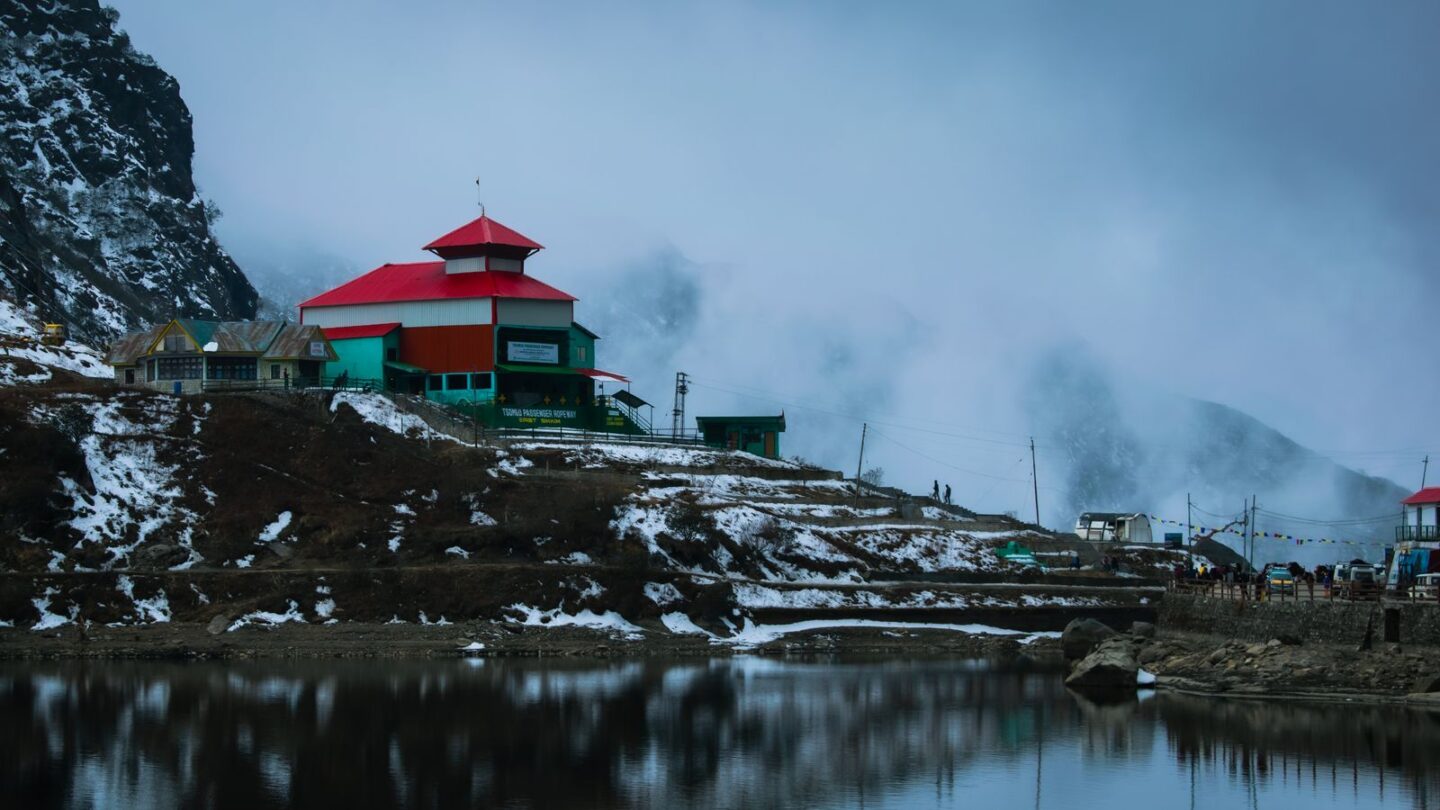
Nathula Pass is a high mountain pass on the India–China border in East Sikkim. It sits at about 4,310 metres (14,140 ft), roughly 54–56 km from Gangtok. Only Indian nationals can visit, and only with a permit arranged through a registered Sikkim travel agency. Most travellers combine it with Tsomgo Lake and Baba Mandir in a single day trip.
Because Nathula Pass is a military border area, access depends on permits, weather and army clearance. As a result, many visitors reach Gangtok only to find the pass closed. This guide explains how the permit works, when the pass opens and how to plan the trip properly.
Key takeaways
- Nathula Pass is at about 4,310 metres on the India–China border, around 54–56 km from Gangtok.
- Only Indian citizens can visit; foreign nationals are not allowed.
- Permits are arranged by registered Sikkim tour operators, not by individual travellers.
- The pass opens only on certain days each week, usually from Wednesday to Sunday.
- Weather can close the road at short notice, especially in winter.
Nathula Pass at a glance
| Detail | Information |
|---|---|
| Location | East Sikkim, India–China border |
| Altitude | About 4,310 m (14,140 ft) |
| Distance from Gangtok | About 54–56 km |
| Travel time | Around 2.5–3 hours one way |
| Who can visit | Indian nationals only |
| Permit | Through a registered Sikkim travel agency |
| Usual open days | Selected days, usually Wednesday to Sunday |
| Nearby stops | Tsomgo Lake, Baba Harbhajan Singh Mandir |
Why Nathula Pass matters
The pass was a branch of the old trade routes that linked Tibet with the plains of India. In 2006, India and China reopened it for limited border trade after decades of closure.
Today, the pass is guarded by the Indian Army. Visitors come for the high-altitude scenery, the snow and the chance to stand at an international border. On clear days, you can see both sides of the frontier from the viewing area.
How the Nathula Pass permit works
You cannot apply for a Nathula Pass permit yourself. Instead, a registered Sikkim tour operator applies on your behalf. The operator usually submits your documents a day before the visit. Final clearance depends on weather and army instructions.
| Step | What happens |
|---|---|
| 1 | Book a Nathula day trip with a registered Gangtok operator |
| 2 | Share your photo ID and passport-size photos |
| 3 | The operator applies for the permit, usually a day in advance |
| 4 | Permits are confirmed, subject to weather and daily limits |
| 5 | You leave Gangtok early in the morning in a permitted vehicle |
Operators generally ask for a government photo ID and two recent photos. Carry the original ID on the day. Moreover, check with your operator about any age or health guidance, because the altitude is high.
Note: Daily permit numbers are limited. In peak months, permits can run out quickly. Book your Nathula trip as soon as you reach Gangtok, or ask your operator to plan ahead.
Which days is Nathula Pass open?
Nathula Pass opens only on selected days each week, usually Wednesday to Sunday. It typically stays closed on Monday and Tuesday. However, the schedule can change because of weather, army requirements or national events.
Snow, fog and landslides can also close the road without much notice. Therefore, keep at least one buffer day in your Gangtok plan.
Nathula Pass, Tsomgo Lake and Baba Mandir
Most Nathula trips follow the same route: Gangtok to Nathula in the morning, then Baba Mandir and Tsomgo Lake on the way back.
| Stop | Altitude (approx.) | What to see |
|---|---|---|
| Tsomgo (Changu) Lake | About 3,750 m | Glacial lake, yak rides, cable car |
| Baba Harbhajan Singh Mandir | About 4,000 m | Shrine dedicated to a revered soldier |
| Nathula Pass | About 4,310 m | Border viewpoint, snow, war memorial |
The border area is visited first because access is allowed only in the morning. Consequently, trips leave Gangtok early and return by afternoon.
Best time to visit Nathula Pass
| Months | Conditions | Verdict |
|---|---|---|
| March–May | Snow on the slopes, milder weather | Very good |
| June–September | Monsoon, fog and landslide risk | Risky |
| October–November | Clear skies, sharp mountain views | Excellent |
| December–February | Heavy snow, frequent closures | Beautiful but unreliable |
For a region-wide view of seasons, read our guide to the best time to visit Northeast India.
Health and safety at high altitude
At over 4,000 metres, the air is thin. Some visitors feel headaches, breathlessness or dizziness.
- Acclimatise in Gangtok for at least a day before going up.
- Move slowly and avoid running at the top.
- Stay hydrated and avoid alcohol the night before.
- Families with young children or elderly members should discuss the altitude with a doctor first.
- Turn back if symptoms get worse.
What to carry for Nathula Pass
- Original photo ID and spare passport-size photos
- Heavy jacket, gloves, woolly hat and warm socks
- Sunglasses and sunscreen, because snow glare is strong
- Snacks and water
- Cash for food, since card payments may not work
Photography is allowed in marked areas. However, do not photograph military installations or point your camera directly towards the Chinese side when told not to.
Sikkim permits you may also need
It is not the only restricted area in Sikkim. Tsomgo Lake, North Sikkim (Lachung, Yumthang and Gurudongmar) and Zuluk also need permits. Your operator handles these as well. Sikkim itself does not need an inner line permit for Indian visitors. For the wider picture, read our inner line permit guide and our Arunachal ILP walkthrough if you are also visiting Tawang.
Nathula Pass day-trip timeline
| Time | What happens |
|---|---|
| Early morning | Pick-up in Gangtok in a permitted vehicle |
| Mid-morning | Check posts along the route; permit checks |
| Late morning | Nathula Pass visit at the border |
| Midday | Baba Harbhajan Singh Mandir |
| Early afternoon | Tsomgo Lake, snacks and photos |
| Late afternoon | Return to Gangtok |
The exact timings depend on army instructions and road conditions on the day.
Nathula Pass trip cost
Most visitors pay for a shared or reserved vehicle through their Gangtok operator. The permit is included in this price.
| Option | What you get | Cost guide |
|---|---|---|
| Shared vehicle seat | A seat in a group vehicle with permit | Lower cost; varies by season |
| Reserved vehicle | Private vehicle for your group with permit | Commonly quoted around ₹4,000–₹5,000 per vehicle |
| Tsomgo-only trip | Tsomgo Lake and Baba Mandir without Nathula | Cheaper than a Nathula trip |
Rates rise in peak months such as May, October and late December. Therefore, compare two or three registered operators before paying.
Frequently asked questions
Can I visit Nathula Pass without a permit?
No. A permit is mandatory. It is arranged by a registered Sikkim tour operator, usually a day before your visit, and depends on weather and army clearance.
Can foreigners visit Nathula Pass?
No. Nathula Pass is open only to Indian nationals. Foreign passport holders cannot get a permit for it.
What days is Nathula Pass closed?
Nathula Pass is usually closed on Monday and Tuesday and open on selected days from Wednesday to Sunday. Weather and army instructions can change this at short notice.
How far is Nathula Pass from Gangtok?
Nathula Pass is about 54–56 km from Gangtok. The drive takes around 2.5–3 hours one way on a steep mountain road.
What is the altitude of Nathula Pass?
Nathula Pass stands at about 4,310 metres, or roughly 14,140 feet, above sea level.
Is Nathula Pass open in winter?
It can be, but closures are common. Heavy snowfall between December and February often blocks the road for days.
Which is the best month to visit Nathula Pass?
October and November offer the clearest views. April and May are also good, with snow still on the slopes and milder weather.
Plan Nathula Pass with a buffer day
Nathula Pass is one of the most memorable day trips in the Northeast. Still, it rewards careful planning. Book through a registered operator, keep a spare day, dress for the cold and respect the rules at the border.
Find more destinations in our Northeast Travel section, or start from the Frontier News homepage.
Related guides
More in Northeast Travel →
Northeast Travel
Yumthang Valley: Valley of Flowers, Permit, Route and Best Time
Northeast Travel
Kaziranga Safari Booking 2026: Jeep and Elephant Safari Guide
Northeast Travel