Arunachal Pradesh Language: Official Tongue and Tribal Speech
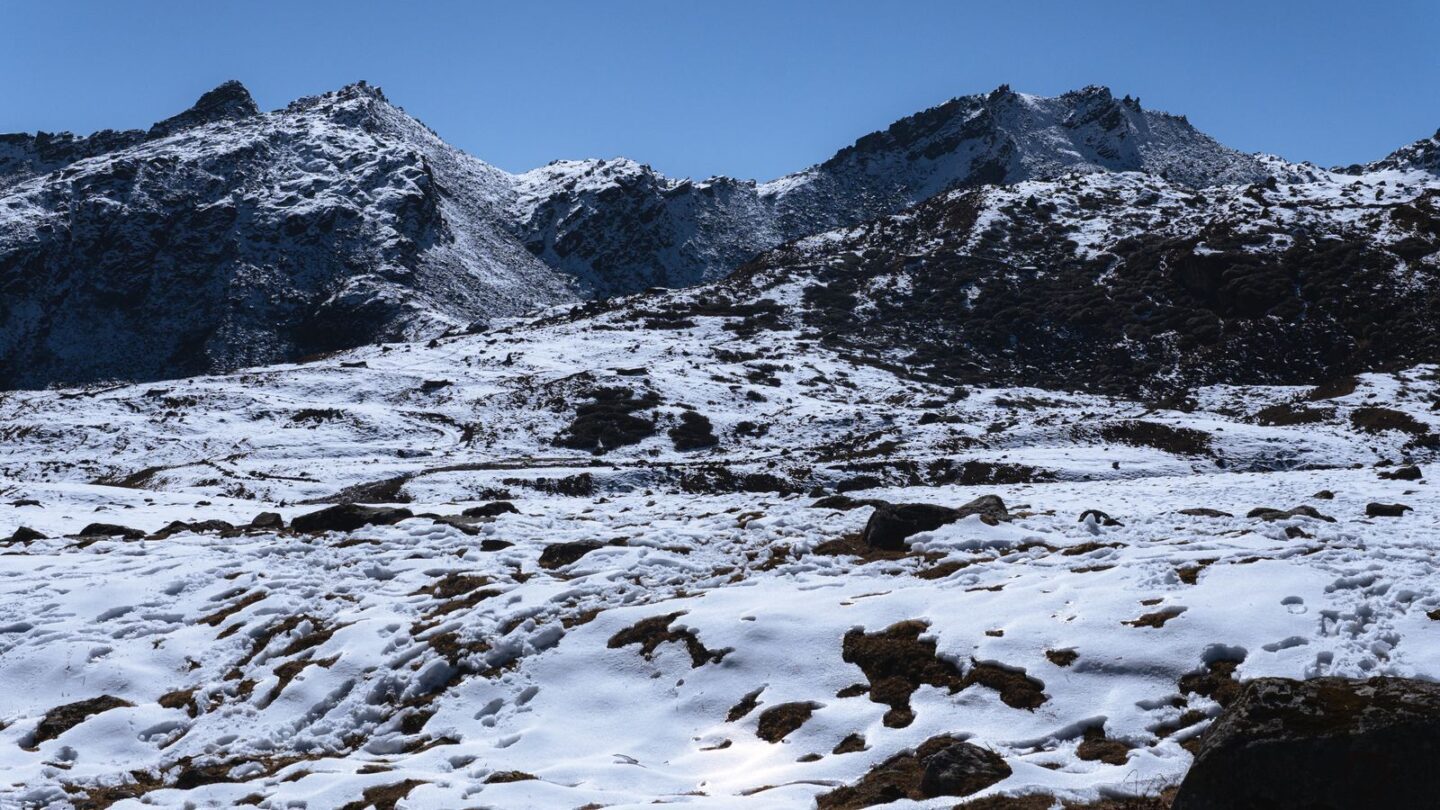
The Arunachal Pradesh language picture starts with one official language, English. Hindi works as an everyday lingua franca, and more than a hundred tribal languages and dialects are spoken across the state. No single indigenous language covers the whole state, so most residents grow up multilingual, moving between a home tongue, Hindi and English through school and daily life. This Arunachal Pradesh language mix reflects the state’s geography, since steep valleys long kept communities apart and let separate languages develop side by side.
Understanding Arunachal Pradesh language diversity also helps make sense of the state’s tribal map, since language and tribal identity usually run together here. Nyishi, Adi, Monpa, Apatani and Wancho speakers, among many others, each carry a distinct linguistic heritage even where villages sit only a short drive apart. That diversity now faces real pressure from Hindi and English, a tension this guide explains in detail.
Key takeaways
- English is the sole official language of Arunachal Pradesh; Hindi serves as the state’s practical lingua franca.
- Researchers and state records put the number of tribal languages and dialects at well over 100, spread mainly across Tibeto-Burman sub-groups.
- The Tani group, including Nyishi, Adi, Apatani and Tagin, forms the largest language cluster by 2011 census figures.
- Tai Khamti is the only community in the state with its own traditional script; most other languages are written in Roman or Devanagari script today.
- News reports through 2024 to 2026 flag several smaller languages, including Nah, Bugun, Meyor and Sartang, as seriously endangered.
Arunachal Pradesh language at a glance
| Detail | Information |
|---|---|
| Official language | English |
| Common lingua franca | Hindi |
| Major tribes | About two dozen major tribes, over 100 sub-tribes |
| Main language family | Tibeto-Burman, with several sub-groups |
| Largest language clusters | Tani group (Nyishi, Adi, Apatani, Tagin and related tongues) |
| Number of languages/dialects | Widely reported as 100 or more, including many dialects |
| Language with its own script | Tai Khamti (Lik Tai script) |
| Endangerment status | Several languages flagged as critically endangered in recent reports |
Why Arunachal Pradesh has so many languages
Arunachal Pradesh sits in the eastern Himalaya, cut by deep valleys and high ridges that historically limited travel between communities. As a result, groups living only a few valleys apart often developed languages that are not mutually understandable. This physical isolation, more than anything else, explains the state’s exceptional Arunachal Pradesh language diversity.
Migration history adds another layer to the Arunachal Pradesh language story. Many communities trace their ancestry to movements from Tibet, Myanmar and neighbouring hill areas over past centuries. Consequently, the state’s languages split into several distinct families and sub-groups, rather than forming one continuous dialect chain.
Tibeto-Burman roots
Most Arunachal Pradesh language communities speak languages belonging to the Tibeto-Burman family, one of the major language families of Asia. Within this family, linguists group Arunachal’s languages into several branches, including Tani, Tibetic, Digaro-Mishmi and languages related to the Naga group further south. Tai Khamti stands apart, since it belongs to the Tai family rather than Tibeto-Burman.
English as the official language
English holds the position of sole official language in Arunachal Pradesh, used in government offices, courts and formal education. This choice avoids favouring any single tribal language over another, a sensitive point in a state with no dominant indigenous tongue. Therefore, English also functions as a neutral administrative language across a very diverse population.
However, everyday English fluency varies widely by district, age group and education level within the Arunachal Pradesh language landscape. Government documents, road signage and official communication generally appear in English, though Hindi also features heavily in practical daily use.
Hindi as the everyday lingua franca
Despite English’s official status, Hindi dominates daily conversation between speakers of different tribal languages. Schools staffed partly by Hindi-speaking teachers from northern India have driven this shift over recent decades, and Hindi-medium films, television and social media add further exposure.
Many residents grow up understanding some version of colloquial Hindi even before they master English formally. Consequently, a visitor with basic Hindi will usually communicate more easily in markets, taxis and small towns than one speaking only English. That said, English remains essential for official paperwork, permits and formal correspondence anywhere the Arunachal Pradesh language mix comes into play.
Major tribal languages of Arunachal Pradesh
The state’s tribal landscape maps closely onto its languages, since most communities identify strongly with their mother tongue.
| Language group | Example communities | Rough 2011 census share (state population) |
|---|---|---|
| Tani | Nyishi, Adi, Apatani, Tagin, Galo | Nyishi about 20.7%, Adi about 17.4% |
| Tibetic/Bodic | Monpa, Sherdukpen, Memba | Bhotia group about 4.5% |
| Digaro-Mishmi | Idu, Miju (Kaman), Digaru | Mishmi group about 3% |
| Naga-related | Wancho, Nocte, Tangsa | Wancho about 4.2% |
| Tai | Tai Khamti | Small share, concentrated in Lohit-area districts |
| Other settled communities | Nepali, Assamese, Bengali, Chakma, Hindi speakers | Combined, several percentage points |
These figures come from 2011 census mother-tongue data and describe language shares across the entire state population, not fluency levels. Furthermore, more recent demographic shifts mean current proportions may differ somewhat from these figures.
The Tani language cluster
The Tani group forms the largest single cluster of Arunachal Pradesh language speakers, covering Nyishi, Adi, Apatani, Tagin, Galo and Hills Miri communities, among others. Many Tani languages share enough vocabulary and grammar to allow some mutual understanding, though speakers still consider them separate languages tied to distinct tribal identities.
Nyishi and Adi together account for a large share of the state’s population, concentrated mainly in central and eastern districts. Apatani, spoken in the Ziro valley, has drawn particular scholarly interest within Arunachal Pradesh language studies for its distinctive culture and settled agricultural traditions.
Monpa and the Tibetic-influenced west
In western Arunachal Pradesh, especially around Tawang and West Kameng, Monpa and related Tibetic-influenced languages dominate. These communities share Buddhist religious practice with the wider Tibetan cultural sphere, and their Arunachal Pradesh language variety shows clear historical links to Tibetan. Sherdukpen, spoken further south, forms a related but distinct language in the same general region.
For a fuller picture of this area’s cultural life, see our Tawang travel guide, which covers the monastery and surrounding Monpa communities in detail.
Mishmi and eastern border languages
The Mishmi group, including Idu, Miju and Digaru, occupies districts near the eastern and northeastern borders of Arunachal Pradesh. These Arunachal Pradesh language varieties fall under the Digaro-Mishmi branch, distinct from the Tani cluster, and each sub-group maintains its own dialect and customs. This border region also carries deep historical significance, discussed further in our explainer on the NEFA full form, covering the North-East Frontier Agency era.
Scripts used for Arunachal Pradesh languages
Most Arunachal Pradesh language communities historically had no written script, relying instead on oral transmission of stories, songs and history. Missionaries, government agencies and, more recently, community groups have since developed written Arunachal Pradesh language forms, generally using Roman or Devanagari script for teaching materials and documentation.
Tai Khamti stands out as the one community with its own traditional script, known as Lik Tai. It descends from older Tai scripts used across parts of mainland Southeast Asia. This script remains in limited use today, mainly in religious and cultural contexts among Tai Khamti communities in the Lohit river area.
How many languages does Arunachal Pradesh have
Counting Arunachal Pradesh language varieties precisely proves difficult, since the line between a “language” and a “dialect” is not always clear-cut. News reports citing the state’s own research department describe over 70 recorded spoken languages, while broader counts that include dialects put the figure above 100.
| Source or estimate | Figure reported | Note |
|---|---|---|
| State Research Department (as reported) | About 73 languages | Figure from a 2025 news report, not an official published count |
| Broader tribal-and-dialect estimates | 100+ languages and dialects | Widely cited in Arunachal media |
| UNESCO endangerment listing | About 34 languages flagged | Various endangerment categories |
| Scheduled Tribes (2011 census) | 12 recognised | Represents about two-thirds of the state population |
Because these figures come from different counting methods, Frontier News presents them as reported rather than as one settled number. Readers researching a specific community should confirm current figures with the Arunachal Pradesh government or a specialist linguistic source.
Endangered languages in Arunachal Pradesh
Several smaller Arunachal Pradesh language communities face a real risk of losing their language within a generation or two. News reports from 2025 named specific examples, based on interviews with researchers and community elders.
- Nah: spoken by roughly 1,000 people in Upper Subansiri district, according to reported estimates.
- Bugun: described in reporting as having a very small number of remaining speakers.
- Meyor: reportedly fewer than 2,000 combined speakers across its related varieties.
- Sartang: flagged in coverage as under similar pressure in parts of West Kameng district.
- Tagin: despite a larger overall population, some reports note declining fluency among younger speakers in certain areas.
Researchers, including academics at Rajiv Gandhi University, warn that without deliberate effort from younger generations, several of these Arunachal Pradesh language varieties could disappear within a few decades. However, exact speaker counts vary between sources, so treat specific numbers as approximate rather than official statistics.
Efforts to preserve Arunachal Pradesh’s languages
State and community initiatives have responded to this pressure with a range of practical steps, according to recent press coverage. These efforts remain uneven across districts and are still developing, so results vary considerably from place to place.
- Language competitions organised at school and community level to encourage younger speakers.
- Pictorial glossaries and recordings of folk songs and traditional stories, sometimes made using mobile phones for easy sharing.
- School “language days” where students are encouraged to converse only in their mother tongue for part of the day.
- Third-language teaching introduced in some district schools alongside English and Hindi.
- State-level documentation plans for oral traditions, discussed by officials in 2024 and 2025 statements on preserving indigenous culture.
Arunachal’s chief minister has publicly called for preserving indigenous culture, tradition and Arunachal Pradesh language heritage in statements reported in late 2024. Nevertheless, independent verification of programme scale and long-term funding remains limited, so readers should treat these as ongoing efforts rather than completed policy.
Arunachal Pradesh language and tribal identity
Language and tribal identity are closely linked across Arunachal Pradesh, and this connection shapes everything from festival traditions to local politics. Most communities see their mother tongue as a core marker of identity, distinct even from closely related neighbouring groups.
This close link also means that Arunachal Pradesh language loss carries weight well beyond communication. When a community stops actively speaking its language, it typically loses song forms, oral histories and ritual vocabulary tied to that specific tongue. Consequently, many local leaders treat language preservation as inseparable from broader cultural preservation.
Comparing Arunachal Pradesh with neighbouring states
The Arunachal Pradesh language pattern differs sharply from more linguistically uniform Indian states, though it shares some features with its Northeast neighbours.
| State | Official language(s) | Rough linguistic pattern |
|---|---|---|
| Arunachal Pradesh | English | Extremely diverse; no single dominant tribal language |
| Assam | Assamese (with other recognised regional languages) | One major language plus tribal and community languages |
| Manipur | Meiteilon (Manipuri) and English | One dominant valley language plus several hill tribal languages |
| Nagaland | English | Multiple Naga tribal languages, English and Nagamese widely used |
For a closer look at neighbouring language situations, see our guides to the Assam language and Manipur language. Both share some historical and linguistic links with Arunachal’s border communities.
Tips for travellers on Arunachal Pradesh’s languages
Visitors do not need fluency in any Arunachal Pradesh language to travel comfortably, but a little preparation helps.
- Use basic Hindi for everyday transactions in towns and markets; most residents understand it to some degree.
- Carry printed permits and documents in English, since official checkpoints work in English.
- Ask before assuming a greeting phrase applies everywhere, since customs and words differ sharply between communities even a short distance apart.
- Expect English signage on major highways and in government buildings, though rural signage may be limited.
- Show interest respectfully, since many communities welcome genuine curiosity about their language and traditions.
Remember that an Inner Line Permit is required for most Indian visitors to enter Arunachal Pradesh at all; our Arunachal ILP guide explains fees, validity and the online application process.
Common misconceptions about Arunachal Pradesh language
A few misunderstandings about the Arunachal Pradesh language situation persist, even among travellers who research the state beforehand.
- Assuming one tribal language dominates: no single indigenous language covers a majority of the state.
- Confusing Arunachal Pradesh with neighbouring Tibetan or Assamese linguistic patterns: the state’s own language families differ substantially.
- Treating “dialect” and “language” as interchangeable: linguists debate this line, which is why total-language counts vary between sources.
- Assuming Hindi is official: Hindi is widely spoken, but English remains the sole official language of the state.
- Expecting written literature everywhere: many Arunachal Pradesh language communities still rely mainly on oral tradition.
Frequently asked questions
What is the official language of Arunachal Pradesh?
English is the sole official language of Arunachal Pradesh, used in government offices, courts and formal schooling. This choice reflects the state’s extreme linguistic diversity, since no single tribal language is spoken by a majority of residents. Hindi, meanwhile, functions as the practical everyday lingua franca across communities.
How many languages are spoken in Arunachal Pradesh?
Estimates vary depending on how dialects are counted. State research sources reportedly list around 73 distinct languages, while broader counts that include dialects put the figure above 100. UNESCO has flagged roughly 34 Arunachal Pradesh language varieties as endangered to varying degrees.
Is Hindi the official language of Arunachal Pradesh?
No, Hindi is not the official language of Arunachal Pradesh; English holds that status. However, Hindi serves as a widely understood lingua franca, largely due to Hindi-medium schooling and broader media exposure across the state’s many language communities.
What is the largest tribal language group in Arunachal Pradesh?
The Tani group, including Nyishi, Adi, Apatani, Tagin and Galo, forms the largest cluster of Arunachal Pradesh language speakers by 2011 census figures. Nyishi and Adi alone account for a substantial share of the state’s population, concentrated mainly in central and eastern districts.
Which Arunachal Pradesh language has its own script?
Tai Khamti is the only community in the state with a traditional script of its own, called Lik Tai. Most other Arunachal Pradesh language communities historically relied on oral tradition and now use Roman or Devanagari script for written materials and school textbooks.
Are any Arunachal Pradesh languages endangered?
Yes, several smaller languages face serious decline, according to recent research and news reports. Named examples include Nah, Bugun, Meyor and Sartang, each reportedly spoken by a very small number of people. Researchers warn that without active preservation efforts, some could disappear within a few decades.
Do I need to learn a local language to travel in Arunachal Pradesh?
No, basic Hindi and English generally cover most travel needs across Arunachal Pradesh. Government offices, permit checkpoints and highway signage typically use English, while Hindi helps with everyday transactions. Learning even a few local greetings, however, is usually appreciated by host communities.
How does Arunachal Pradesh’s language diversity compare to other Northeast states?
Arunachal Pradesh shows unusually high linguistic diversity even by Northeast Indian standards, with no single dominant tribal language. In contrast, states such as Assam and Manipur each have one major regional language alongside various tribal tongues. Nagaland resembles Arunachal Pradesh more closely, since it also uses English officially amid many distinct tribal languages.
Understanding Arunachal Pradesh’s languages before you visit
Arunachal Pradesh’s language landscape reflects centuries of geographic isolation, migration and distinct tribal identity, held together loosely by English administration and Hindi as a common tongue. Travellers benefit from basic Hindi for daily interactions and English for official matters, while showing genuine respect for the state’s many distinct tribal languages. For wider context on the region’s states and peoples, see our guide to the Seven Sisters of India.
Browse more Northeast India state guides in Northeast Guides or return to the Frontier News homepage.
Related guides
More in Northeast Guides →
Northeast Guides
Sikkim Capital: Gangtok Facts, History and How to Reach

Northeast Guides
MPSC Meghalaya: Exams, Eligibility and Process 2026
Northeast Guides