Gurudongmar Lake: Permit, Route and Best Time to Visit
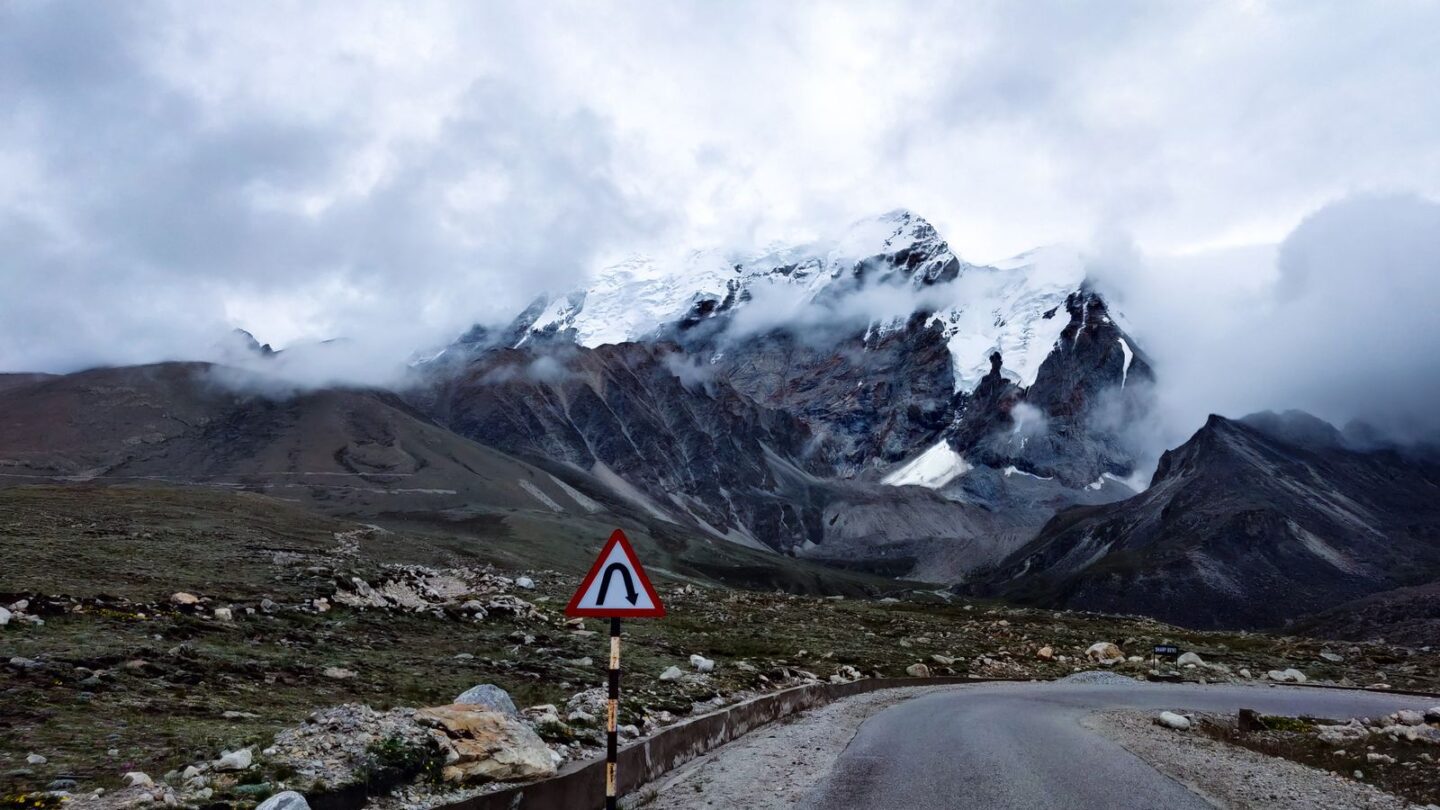
Gurudongmar Lake is a sacred glacial lake in the Mangan district of North Sikkim, about 190 km from Gangtok and close to the Tibet border. Official tourism sources place it at about 17,800 ft (roughly 5,430 m), which makes it one of the highest lakes in India. Only Indian citizens can visit, with a Protected Area Permit arranged through a registered operator, and the trip starts before dawn from Lachen.
The lake is holy to Buddhists and is also revered by Sikhs. Moreover, it feeds one of the source streams of the Teesta River. Access has been disrupted repeatedly since the October 2023 flood, so this guide covers the latest 2026 status, permits, route, timings, costs and altitude safety.
Key takeaways
- Gurudongmar Lake sits at roughly 5,430 m, although some sources quote a lower figure near 5,180 m.
- The lake lies about 62 to 67 km beyond Lachen, which is roughly 125 to 130 km from Gangtok.
- Only Indian nationals may visit; foreigners are not permitted.
- A Protected Area Permit is mandatory, and Aadhaar is not accepted as ID.
- Lachen and the lake reopened to tourists in September 2026, with a 4 pm timing rule at Toong.
Gurudongmar Lake at a glance
| Item | Details |
|---|---|
| Location | Mangan district, North Sikkim |
| Altitude | About 5,430 m (17,800 ft); some sources give about 5,180 m |
| Area | About 118 hectares |
| Distance from Gangtok | About 190 km |
| Distance from Lachen | About 62 to 67 km |
| Base village | Lachen |
| Permit | Protected Area Permit, Indians only |
| Frozen period | Largely frozen from about November to April or May |
| Best months | April to June and October to November |
| Typical trip | Three days and two nights from Gangtok |
Why Gurudongmar Lake is sacred
Local Buddhist tradition links the lake to Guru Padmasambhava, also called Guru Rinpoche. He is believed to have visited in the 8th century. According to legend, he blessed part of the lake so that it would never freeze completely, even in deep winter. As a result, many visitors collect the water in bottles as a blessing.
The lake is also revered by Sikhs. A gurdwara structure built near the lake in the late 1990s led to a dispute, and authorities later handed it to the Lachen monastery. Today, prayer flags and a small shrine stand on the shore. Visitors should behave quietly, avoid littering and follow any instructions from the army or local officials.
Beyond religion, the lake has real geographic weight. It is fed by the Gurudongmar glacier, and a stream from it joins Tso Lhamo, one of the sources of the Teesta. Furthermore, yaks and blue sheep graze on the high plateau around it.
Gurudongmar Lake permit rules
Every visitor needs a Protected Area Permit (PAP) for the Lachen side of North Sikkim. The Mangan district administration issues it, and registered tour operators file the applications. Therefore, you cannot simply drive up on your own. Our Sikkim permit guide explains the full system for every protected zone.
Who can visit
- Indian citizens: Allowed with a valid PAP.
- Foreign nationals: Not allowed at Gurudongmar Lake, even with a Sikkim RAP.
- Young children: Generally not recommended, and operators may refuse children under five.
- Visitors with heart or lung problems: Should consult a doctor before booking.
Documents to carry
| Document | Accepted? |
|---|---|
| Passport | Yes |
| Voter ID card | Yes |
| Driving licence | Yes |
| Central or state government ID | Yes |
| Aadhaar card | No |
| Birth certificate (for minors) | Yes, with a parent’s ID |
| Passport-size photos | At least two per person |
Send clear scans to your operator at least a day before departure. Additionally, carry the originals and photocopies, because check posts may ask for them. For how permits work across the wider region, see our inner line permit guide.
Gurudongmar Lake status in 2026
The Lachen valley has faced several closures since the Teesta flood of October 2023. Consequently, always check the current status before you book a Gurudongmar Lake trip.
| Date | What happened |
|---|---|
| October 2023 | Glacial lake flood damaged roads and bridges in North Sikkim |
| 26 February 2026 | New Bailey suspension bridge opened at Taram Chu on the Chungthang–Lachen road |
| 9 March 2026 | Permits resumed for Lachen and Gurudongmar Lake |
| 5 April 2026 | Landslide near the Taram Chu bridge cut off Lachen again |
| 29 August 2026 | Movement resumed along the Taram Chu axis |
| September 2026 | Lachen reopened to tourists with new vehicle timings |
Under a Mangan district order of 10 September 2026, tourist vehicles must cross the Toong check post by 4 pm, both uphill and downhill. The Taram Chu Bailey bridge carries up to 12 tonnes, and only one vehicle crosses at a time. Meanwhile, repair work continues on several stretches, so delays are common.
Route to Gurudongmar Lake from Gangtok
The standard route runs north along the Teesta valley through Mangan and Chungthang to Lachen. From Lachen, the road climbs past Thangu and onto the high plateau near the border.
| Stretch | Approximate distance | Approximate drive time |
|---|---|---|
| Gangtok to Mangan | About 65 to 70 km | 3 to 4 hours |
| Mangan to Chungthang | About 25 to 30 km | 1 to 1.5 hours |
| Chungthang to Lachen | About 25 to 30 km | 1 to 1.5 hours |
| Lachen to Thangu | About 30 km | 1.5 to 2 hours |
| Thangu to Gurudongmar Lake | About 30 to 35 km | 1.5 to 2 hours |
These times vary widely with road work, bridge queues and weather. Therefore, treat the first day from Gangtok to Lachen as a full travel day. Most travellers reach Gangtok first from Bagdogra airport, Pakyong airport or New Jalpaiguri railway station.
Stops on the way
- Thangu Valley: A small settlement at roughly 3,600 m, often used for a tea and breakfast stop.
- Chopta Valley: A wide alpine valley near Thangu, known for flowers in summer and snow in winter.
- Army facilities: Cafés and check posts run by the army appear along the upper road.
- High plateau: Bare, windswept land near the lake with views of snow peaks.
Gurudongmar Lake day plan from Lachen
The lake visit is a dawn-to-noon trip from Lachen. Afternoon winds and cloud build quickly at this height, so operators start very early.
- Wake up around 3:30 am to 4 am and dress in layers.
- Leave Lachen in the dark, usually between 4 am and 5 am.
- Stop briefly at Thangu for tea and a light breakfast.
- Pass the army check posts with your permit and ID ready.
- Reach Gurudongmar Lake by mid-morning and spend a short time there.
- Drive back to Lachen for lunch.
- Continue towards Mangan or Gangtok, clearing Toong by 4 pm.
Stays at the lake are kept short, often around 30 to 45 minutes. As a result, plan your photographs and prayers before you arrive. Walk slowly on the shore and avoid climbing the slopes.
Best time to visit Gurudongmar Lake
The lake is at its most striking when it is ice-free and the sky is clear. However, conditions change fast at this altitude.
| Months | Conditions | Verdict |
|---|---|---|
| January to March | Heavy snow, lake frozen, roads often shut | Avoid unless status is confirmed |
| April to June | Thawing lake, cold but clearer roads | Good |
| July to September | Monsoon, landslides, cloud cover | Risky |
| October to November | Clear skies, cold mornings, blue water | Best |
| December | Freezing, early snow, possible closures | Uncertain |
The lake usually stays largely frozen from around November to April or May. Nevertheless, the blessed section is said to remain partly open. For a wider seasonal view, read our best time to visit Northeast India guide.
Altitude sickness and safety at Gurudongmar Lake
Acute mountain sickness (AMS) is the main risk on this trip. The climb from Lachen to the lake gains more than 2,500 m in a few hours. Consequently, headaches, breathlessness and nausea are common.
How to reduce the risk
- Acclimatise first: Spend at least one night in Gangtok and one at Lachen before the lake day.
- Stay hydrated: Drink water or warm fluids, and avoid alcohol the night before.
- Move slowly: Do not run, climb or carry heavy bags at the lake.
- Eat light: A small, warm breakfast works better than a heavy meal.
- Carry oxygen: Ask your operator whether the vehicle carries an oxygen cylinder.
- Descend if unwell: Severe headache, confusion or vomiting mean you should turn back at once.
Travellers who arrive in Sikkim from the plains and rush straight to the lake face higher risk. Similarly, anyone with a cold or chest infection should reconsider the trip. Consult a doctor about altitude medication before you travel.
Gurudongmar Lake trip costs
Costs depend on season, vehicle type and group size. The figures below are rough ranges reported by operators, so confirm quotes before paying.
| Item | Typical range |
|---|---|
| Shared North Sikkim package, 3 days and 2 nights | Roughly ₹4,000 to ₹8,000 per person |
| Private vehicle package | Varies widely by vehicle and season |
| Protected Area Permit | Nominal; usually included in the package |
| Sikkim tourist fee | ₹50 per tourist, collected by your hotel |
| Lachen homestay or hotel | Usually included in packages |
Packages usually include the vehicle, driver, permit processing, basic meals and stay in Lachen. However, check whether the Gurudongmar Lake excursion is included or charged extra.
Sample Gurudongmar Lake itinerary
A three-day, two-night plan is the most common option from Gangtok.
- Day 1: Gangtok to Lachen via Mangan and Chungthang; overnight in Lachen.
- Day 2: Pre-dawn drive to Gurudongmar Lake, stop at Thangu and Chopta Valley, return to Lachen, then continue to Lachung if the plan combines both valleys.
- Day 3: Yumthang Valley and Zero Point from Lachung, then return to Gangtok.
This combined circuit depends on road status between the two valleys. Therefore, ask your operator whether Lachen and Lachung can be linked on your dates. Add Tsomgo and Nathula on separate days; our Tsomgo Lake guide and Nathula Pass guide cover those trips.
What to pack for Gurudongmar Lake
- Thermal inner wear, a fleece and a windproof down jacket
- Woollen cap, gloves and thick socks
- Sunglasses and high-SPF sunscreen for glare off snow and water
- Lip balm and moisturiser for dry air
- Water bottle, dry fruits and light snacks
- Original photo ID, photocopies and spare passport-size photos
- Personal medicines and a small first-aid kit
- Cash, because ATMs and mobile networks are unreliable beyond Mangan
Keep your camera batteries warm inside your jacket, because cold drains them quickly.
Frequently asked questions
Can foreigners visit Gurudongmar Lake?
No. Gurudongmar Lake is open only to Indian nationals because it lies very close to the Tibet border. Foreign visitors with a Sikkim Restricted Area Permit can instead visit Lachung, Yumthang Valley and Zero Point with a separate protected-area permit. They must travel in a group of at least two through a registered agency.
How high is Gurudongmar Lake?
Official tourism sources give the altitude as about 17,800 ft, or roughly 5,430 m. Some travel references quote a lower figure of about 5,180 m. Either way, the lake is one of the highest in India. The rapid climb from Lachen makes altitude sickness a real risk, so acclimatise before the visit.
Is Gurudongmar Lake open in 2026?
Yes, with conditions. Permits resumed in March 2026, but an April landslide near Taram Chu cut off Lachen. Tourist access reopened in September 2026, and vehicles must cross the Toong check post by 4 pm. Because closures can happen at short notice, confirm the latest status with a registered operator before booking.
How far is Gurudongmar Lake from Lachen?
Gurudongmar Lake lies about 62 to 67 km from Lachen by road. The drive passes Thangu and the high plateau near the border, and usually takes three to four hours one way. Travellers leave Lachen between about 4 am and 5 am so they can reach the lake before winds and cloud build up.
Is Aadhaar accepted for the Gurudongmar Lake permit?
No. The Sikkim tourism department does not accept Aadhaar for Protected Area Permits. Carry a passport, voter ID, driving licence or a central or state government ID instead. Children need a birth certificate or passport. Also carry photocopies and at least two recent passport-size photos for every traveller in the group.
Does Gurudongmar Lake freeze in winter?
Yes. The lake stays largely frozen from around November to April or May. According to local legend, Guru Padmasambhava blessed one part of the lake so that it never freezes completely. Winter snow also closes the road on many days, so April to June and October to November are safer months for a visit.
Can children visit Gurudongmar Lake?
Very young children are generally not recommended at Gurudongmar Lake because of the extreme altitude and cold. Many operators refuse children under five. Older children should acclimatise in Gangtok and Lachen first, stay warm, and descend quickly if they show headache, vomiting or unusual tiredness. Consult a paediatrician before planning the trip.
Planning a safe trip to Gurudongmar Lake
A visit to Gurudongmar Lake rewards careful planning. Arrange your permit early through a registered operator, carry accepted ID, and allow time to acclimatise at Lachen. Check the road status and the Toong timing rule before you leave Gangtok. Then the early start pays off with one of the highest and most sacred lakes in the Himalaya.
Explore more trips in Northeast Travel or visit the Frontier News homepage.
Related guides
More in Northeast Travel →
Northeast Travel
Laitlum Canyon Guide: How to Reach, Rasong Trek and Best Time
Northeast Travel
Yumthang Valley: Valley of Flowers, Permit, Route and Best Time
Northeast Travel